


30-35 Gallon Drum Dollies | Industrial Drum Carts
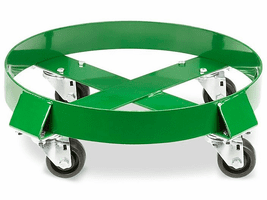
- Material Composition: Stainless steel, painted steel, zinc-plated caster hardware, rubber, polyolefin, and cast iron wheels.
- Size/Capacity Range: Designed for 30-gallon and 35-gallon drums, with select adjustable and 30-55 gallon compatible models.
- Load Ratings: Available capacities include 800 lb, 900 lb, 1200 lb, and double-drum handling configurations.
- Wheel Types: Hard rubber, mold-on rubber, polyolefin, steel, and cast iron caster options.
- Configurations: Single drum dollies, double drum dollies, adjustable dollies, spill scooter bases, and cradling/dispensing containment units.

$299.96
$359.96
(You Save 17%)$99.98
$119.99
(You Save 17%)$149.98
$179.98
(You Save 17%)$79.95
$99.95
(You Save 20%)$229.98
$280.00
(You Save 18%)$129.98
$160.00
(You Save 19%)$139.98
$155.00
(You Save 10%)$149.98
$175.00
(You Save 14%)$129.98
$179.99
(You Save 28%)
$249.95
$349.95
(You Save 29%)$69.98
$100.00
(You Save 30%)| Buy More, Save More! | ||
|---|---|---|
| Quantity | Price Each | |
| 1 - 2 pieces | $601.99 ea. | |
| 3 - 5 pieces | $571.59 ea. | |
| 6+ pieces | $541.51 ea. | |
| Buy More, Save More! | ||
|---|---|---|
| Quantity | Price Each | |
| 1 - 2 pieces | $757.99 ea. | |
| 3 - 5 pieces | $719.85 ea. | |
| 6+ pieces | $681.97 ea. | |
Product Comparison Chart
Configuration Analysis
Single Drum Dolly Configurations Single 30-gallon drum dollies are circular or formed-frame handling bases designed to support one drum at a time. These models are used for moving drums short distances across shop floors, storage rooms, blending areas, and dispensing stations. A standard steel drum dolly provides a basic transport platform for routine handling, while stainless steel models are suited for washdown areas or facilities where corrosion control is a selection factor. Caster selection affects how the dolly performs on concrete, coated floors, uneven surfaces, and areas exposed to moisture or residue.
Double Drum and Multi-Size Configurations Double drum dollies support two containers on one mobile frame, reducing repeated handling when drums are staged side by side. The 30-gallon double drum dolly is used where paired containers are moved between storage and use points. The 15-30-55 gallon double drum dolly provides broader size compatibility when a facility handles multiple drum capacities. Adjustable drum dollies expand the usable range by allowing the frame to fit different drum diameters, including models that adjust from 14 inches to 19 1/4 inches.
Frame Construction and Corrosion Factors Steel drum dollies are used where load support, impact resistance, and general industrial handling are required. Painted or coated steel frames provide structural support for routine dry-area use. Stainless steel drum dollies provide improved resistance to rust and surface corrosion in damp, sanitary, or chemical-adjacent work areas. Zinc-plated caster components add a protective finish to exposed hardware, helping reduce surface oxidation under normal indoor conditions. For chemical storage areas, the dolly frame material should be checked against the operating environment, including splash exposure, washdown frequency, and floor-cleaning chemicals.
Wheel and Caster Material Differences Hard rubber wheels reduce floor marking and vibration compared with bare metal wheels. Mold-on rubber wheels are used where load support and smoother rolling are both needed. Polyolefin casters resist many oils, solvents, and cleaning agents and are commonly selected for general industrial floors. Steel casters provide high load support but can be louder and may damage softer flooring. Cast iron wheels are used for heavier loads and rougher industrial settings, but they are not suited for all floor finishes. Wheel choice should match load weight, floor material, debris level, and turning frequency.
Material Handling and Workplace Compliance Drum dollies are not usually UN-rated containers themselves, but they support handling practices around drums that may carry UN markings for regulated materials. For hazardous material operations, the drum, closure, labeling, and transport method must follow applicable DOT requirements. OSHA handling expectations focus on controlling workplace hazards, including unstable loads, manual strain, blocked aisles, spill risk, and exposure to hazardous contents. A dolly used with chemical drums should be sized correctly, kept in working condition, and used on surfaces suitable for the load.
Secondary Containment Considerations Cradle and dispensing secondary containment units combine drum support with spill control. These units are used when drums are stored horizontally for dispensing or when liquid release control is required under the container. Secondary containment selection should consider drum capacity, dispensing position, liquid compatibility, sump capacity, and whether the unit is used indoors or outdoors. Spill scooter bases and containment-style dollies may support temporary movement or localized spill control, but they should not replace fixed containment when regulations or site procedures require dedicated spill capacity.
Manufacturing and Maintenance Use 30-35 gallon drum dollies are used in production plants, machine shops, maintenance departments, printing facilities, and warehouse operations. Common contents include lubricants, cleaners, coatings, adhesives, parts-washing fluids, and process chemicals. Rubber and polyolefin caster models are generally used where drums are moved across smooth floors. Steel or cast iron wheel models are selected where heavier loads, debris, or rougher surfaces are present. Double drum models support paired chemical programs, waste segregation, or lubricant handling systems.
Chemical, Food, and Agricultural Handling Chemical facilities use drum dollies to move compatible drums between storage, batching, and dispensing points. Food and ingredient operations may require stainless steel frames or easy-clean surfaces depending on sanitation rules and exposure risk. Agricultural and grounds-maintenance operations use drum dollies for fertilizers, oils, detergents, and other bulk liquids stored in medium-capacity containers. Selection should account for whether the drum is open-head, tight-head, lined, unlined, steel, plastic, or fiber, since each container type handles movement and dispensing differently.
Technical Factors for Buyers A buyer should start with drum diameter, drum capacity, filled weight, and floor condition. A 30-gallon drum can become difficult to move safely when filled with dense liquids, so caster rating and frame strength must match the actual operating load. Wheel material should be selected based on floor protection, rolling resistance, chemical exposure, and noise. Stainless steel should be considered where moisture, washdown, or corrosion is expected. Adjustable dollies are useful when drum sizes vary, while fixed-size dollies provide a dedicated fit for repeated handling of the same container size.
| Product | Drum Size Compatibility | Frame / Body Material | Wheel / Caster Type | Rated Capacity | Configuration |
|---|---|---|---|---|---|
| 30 Gallon Stainless Steel Drum Dolly | 30 Gallon | Stainless Steel | Zinc-Plated Casters with Hard Rubber Wheels | Not Listed | Single Drum Dolly |
| Four-Tier Drum Dolly with Rubber Wheels | 30-35 Gallon Compatible Use | Steel | Rubber Wheels | 900 lb | Four-Tier Drum Dolly |
| Four-Tier Drum Dolly with Cast Iron Wheels | 30-35 Gallon Compatible Use | Steel | Cast Iron Wheels | 1200 lb | Four-Tier Drum Dolly |
| Drum Dolly with Mold-On Rubber Wheels | 30-35 Gallon Compatible Use | Steel | Mold-On Rubber Wheels | 800 lb | Single Drum Dolly |
| 30 Gal Steel Drum Dolly | 30 Gallon | Steel | Not Listed | Not Listed | Single Drum Dolly |
| 30 Gallon Double Drum Dolly | 30 Gallon | Steel | Not Listed | Not Listed | Double Drum Dolly |
| 30 Gallon Drum Dolly with Polyolefin Casters | 30 Gallon | Steel | Polyolefin Casters | Not Listed | Single Drum Dolly |
| 30 Gallon Drum Dolly with Steel Casters | 30 Gallon | Steel | Steel Casters | Not Listed | Single Drum Dolly |
| Adjustable Drum Dolly with 3 Inch Rubber Casters | Adjusts 14" x 19" | Steel | 3" Rubber Casters | Not Listed | Adjustable Drum Dolly |
| Adjustable Drum Dolly with 3 Inch Steel Casters | Adjusts 14" - 19 1/4" | Steel | 3" Steel Casters | Not Listed | Adjustable Drum Dolly |
| 15-30-55 Gallon Double Drum Dolly | 15, 30, and 55 Gallon | Steel | Not Listed | Not Listed | Double Drum Dolly |
| 30-55 Gallon Cradle and Dispensing Secondary Containment | 30-55 Gallon | Containment Base Material Not Listed | Not Listed | Not Listed | Cradle, Dispensing, and Secondary Containment |
Single Drum Dolly Configurations Single 30-gallon drum dollies are circular or formed-frame handling bases designed to support one drum at a time. These models are used for moving drums short distances across shop floors, storage rooms, blending areas, and dispensing stations. A standard steel drum dolly provides a basic transport platform for routine handling, while stainless steel models are suited for washdown areas or facilities where corrosion control is a selection factor. Caster selection affects how the dolly performs on concrete, coated floors, uneven surfaces, and areas exposed to moisture or residue.
Double Drum and Multi-Size Configurations Double drum dollies support two containers on one mobile frame, reducing repeated handling when drums are staged side by side. The 30-gallon double drum dolly is used where paired containers are moved between storage and use points. The 15-30-55 gallon double drum dolly provides broader size compatibility when a facility handles multiple drum capacities. Adjustable drum dollies expand the usable range by allowing the frame to fit different drum diameters, including models that adjust from 14 inches to 19 1/4 inches.
Frame Construction and Corrosion Factors Steel drum dollies are used where load support, impact resistance, and general industrial handling are required. Painted or coated steel frames provide structural support for routine dry-area use. Stainless steel drum dollies provide improved resistance to rust and surface corrosion in damp, sanitary, or chemical-adjacent work areas. Zinc-plated caster components add a protective finish to exposed hardware, helping reduce surface oxidation under normal indoor conditions. For chemical storage areas, the dolly frame material should be checked against the operating environment, including splash exposure, washdown frequency, and floor-cleaning chemicals.
Wheel and Caster Material Differences Hard rubber wheels reduce floor marking and vibration compared with bare metal wheels. Mold-on rubber wheels are used where load support and smoother rolling are both needed. Polyolefin casters resist many oils, solvents, and cleaning agents and are commonly selected for general industrial floors. Steel casters provide high load support but can be louder and may damage softer flooring. Cast iron wheels are used for heavier loads and rougher industrial settings, but they are not suited for all floor finishes. Wheel choice should match load weight, floor material, debris level, and turning frequency.
Material Handling and Workplace Compliance Drum dollies are not usually UN-rated containers themselves, but they support handling practices around drums that may carry UN markings for regulated materials. For hazardous material operations, the drum, closure, labeling, and transport method must follow applicable DOT requirements. OSHA handling expectations focus on controlling workplace hazards, including unstable loads, manual strain, blocked aisles, spill risk, and exposure to hazardous contents. A dolly used with chemical drums should be sized correctly, kept in working condition, and used on surfaces suitable for the load.
Secondary Containment Considerations Cradle and dispensing secondary containment units combine drum support with spill control. These units are used when drums are stored horizontally for dispensing or when liquid release control is required under the container. Secondary containment selection should consider drum capacity, dispensing position, liquid compatibility, sump capacity, and whether the unit is used indoors or outdoors. Spill scooter bases and containment-style dollies may support temporary movement or localized spill control, but they should not replace fixed containment when regulations or site procedures require dedicated spill capacity.
Manufacturing and Maintenance Use 30-35 gallon drum dollies are used in production plants, machine shops, maintenance departments, printing facilities, and warehouse operations. Common contents include lubricants, cleaners, coatings, adhesives, parts-washing fluids, and process chemicals. Rubber and polyolefin caster models are generally used where drums are moved across smooth floors. Steel or cast iron wheel models are selected where heavier loads, debris, or rougher surfaces are present. Double drum models support paired chemical programs, waste segregation, or lubricant handling systems.
Chemical, Food, and Agricultural Handling Chemical facilities use drum dollies to move compatible drums between storage, batching, and dispensing points. Food and ingredient operations may require stainless steel frames or easy-clean surfaces depending on sanitation rules and exposure risk. Agricultural and grounds-maintenance operations use drum dollies for fertilizers, oils, detergents, and other bulk liquids stored in medium-capacity containers. Selection should account for whether the drum is open-head, tight-head, lined, unlined, steel, plastic, or fiber, since each container type handles movement and dispensing differently.
Technical Factors for Buyers A buyer should start with drum diameter, drum capacity, filled weight, and floor condition. A 30-gallon drum can become difficult to move safely when filled with dense liquids, so caster rating and frame strength must match the actual operating load. Wheel material should be selected based on floor protection, rolling resistance, chemical exposure, and noise. Stainless steel should be considered where moisture, washdown, or corrosion is expected. Adjustable dollies are useful when drum sizes vary, while fixed-size dollies provide a dedicated fit for repeated handling of the same container size.

