


Non-Sparking Aluminum Bronze Sockets
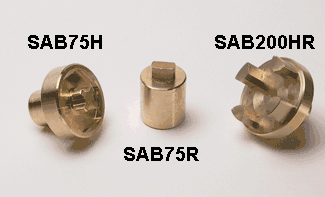
- Material: Aluminum Bronze non-sparking alloy.
- Socket Sizes: 3/4 inch and 2 inch socket configurations.
- Head Types: Hex Head, Round Head, and Round Hex Head options.
- Use Case: Designed for industrial socket wrench applications in flammable or spark-sensitive areas.
- Compatibility: Used with compatible IBC, drum, and container closure tools where matching socket geometry is required.

$144.95
$179.95
(You Save 19%)$144.95
$179.95
(You Save 19%)$149.95
$199.95
(You Save 25%)
Product Comparison Chart
Configuration Analysis
Socket Size and Head Profile Non-sparking aluminum bronze sockets are selected according to the fitting size and closure geometry being serviced. The 3/4 inch socket configurations are used for smaller fittings, plugs, and secondary container openings. These may include vent plugs, dispensing ports, or smaller closure components on drums, totes, or related industrial containers. The 2 inch round hex head socket is used for larger closures where higher surface contact and greater torque transfer may be required. Matching the socket to the closure profile reduces rounding, slipping, and uneven torque application during opening or tightening.
Hex Head and Round Head Differences Hex head sockets are designed to engage six-sided plug or cap profiles. This geometry provides multiple flat contact points for torque transfer and is commonly used where a defined wrenching surface is present. Round head socket designs are used where the closure profile does not use a standard external hex pattern. Round hex head sockets combine a larger round-body profile with internal or fitted geometry for specific closure designs. The correct head style should be verified before use, since a mismatch can damage the plug, socket, or container fitting.
Aluminum Bronze Construction Aluminum bronze is a copper-based alloy containing aluminum as a primary alloying element. It is commonly used for non-sparking tools because it reduces the risk of ignition when the tool contacts metal surfaces in flammable or combustible atmospheres. Compared with standard steel sockets, aluminum bronze has lower spark potential but also different hardness and wear characteristics. The material is suitable for controlled industrial use where tool compatibility, fitting engagement, and safety procedures are required.
Wear and Torque Considerations Non-sparking sockets should be inspected for deformation, worn edges, cracks, or rounded engagement surfaces. Aluminum bronze is not used in the same way as hardened impact-grade steel, so it should not be substituted into uncontrolled high-impact applications unless the tool and drive system are rated for that use. In closure operations, the socket should be paired with a compatible torque wrench or drive handle so the required closing force can be applied without exceeding the fitting or gasket specification.
Hazardous Location Tool Use Non-sparking tools are used in areas where flammable vapors, fuels, solvents, powders, or chemical residues may be present. These sockets support safer tool contact in operations where steel tools may create a spark hazard. They do not replace required site controls, ventilation, grounding, bonding, gas monitoring, or written safety procedures. Tool selection should follow facility requirements, safety data sheet guidance, and applicable hazardous-area work practices.
Container Closure Compliance When sockets are used on drums, IBC totes, or other transport containers, closure work should follow the container manufacturer’s closing instructions. This may include required torque values, gasket condition checks, plug type, cap seal requirements, and inspection steps. For regulated shipments, improper closure torque can affect leak resistance and shipping compliance. Buyers should confirm socket size, closure type, and torque procedure before using these tools on hazardous material packaging.
Chemical and Solvent Handling Non-sparking aluminum bronze sockets are used in chemical plants, blending areas, paint facilities, fuel handling operations, and solvent storage locations. In these settings, workers may need to remove or tighten plugs, caps, and fittings on containers that have held flammable or volatile materials. The socket material helps reduce spark generation during metal-to-metal contact, especially when working around residues or vapors.
Drum, Tote, and Packaging Operations These sockets are also used in container filling, dispensing, reconditioning, and maintenance operations. The 3/4 inch sizes are suited to smaller fittings, while the 2 inch round hex head socket is used for larger container closures. Common users include chemical distributors, industrial packaging companies, waste handling facilities, agricultural chemical operations, and maintenance departments that service drums or IBC-related equipment.
Matching Socket to Closure Geometry The first selection factor is the exact closure size and head shape. A 3/4 inch hex head socket should only be used where the closure has the matching hex profile. A 3/4 inch round head socket is selected for compatible round-profile fittings. The 2 inch round hex head socket is used when the larger closure requires that specific shape. Using an incorrect socket can strip the fitting, reduce sealing force, or create unsafe tool slippage.
Work Environment and Safety Requirements Buyers should consider whether the work area contains flammable vapors, combustible dust, fuel residues, or chemical exposure. Aluminum bronze sockets are intended for spark-sensitive environments, but they must still be used with the correct procedures. The socket should be compatible with the drive tool, torque requirement, closure material, and expected frequency of use. For regulated containers, operators should also confirm gasket condition, closure instructions, and inspection requirements before placing the container into storage or transport.
| Product | Socket Size | Head Type | Material | Primary Use |
|---|---|---|---|---|
| 3/4 inch Hex Head Non-Sparking Aluminum Bronze Socket | 3/4 inch | Hex Head | Aluminum Bronze | Hex-style plugs, caps, and fittings |
| 3/4 inch Round Head Non-Sparking Aluminum Bronze Socket | 3/4 inch | Round Head | Aluminum Bronze | Round-profile closures and fittings |
| 2 inch Round Hex Head Non-Sparking Aluminum Bronze Socket | 2 inch | Round Hex Head | Aluminum Bronze | Larger drum, tote, and container closures |
Socket Size and Head Profile Non-sparking aluminum bronze sockets are selected according to the fitting size and closure geometry being serviced. The 3/4 inch socket configurations are used for smaller fittings, plugs, and secondary container openings. These may include vent plugs, dispensing ports, or smaller closure components on drums, totes, or related industrial containers. The 2 inch round hex head socket is used for larger closures where higher surface contact and greater torque transfer may be required. Matching the socket to the closure profile reduces rounding, slipping, and uneven torque application during opening or tightening.
Hex Head and Round Head Differences Hex head sockets are designed to engage six-sided plug or cap profiles. This geometry provides multiple flat contact points for torque transfer and is commonly used where a defined wrenching surface is present. Round head socket designs are used where the closure profile does not use a standard external hex pattern. Round hex head sockets combine a larger round-body profile with internal or fitted geometry for specific closure designs. The correct head style should be verified before use, since a mismatch can damage the plug, socket, or container fitting.
Aluminum Bronze Construction Aluminum bronze is a copper-based alloy containing aluminum as a primary alloying element. It is commonly used for non-sparking tools because it reduces the risk of ignition when the tool contacts metal surfaces in flammable or combustible atmospheres. Compared with standard steel sockets, aluminum bronze has lower spark potential but also different hardness and wear characteristics. The material is suitable for controlled industrial use where tool compatibility, fitting engagement, and safety procedures are required.
Wear and Torque Considerations Non-sparking sockets should be inspected for deformation, worn edges, cracks, or rounded engagement surfaces. Aluminum bronze is not used in the same way as hardened impact-grade steel, so it should not be substituted into uncontrolled high-impact applications unless the tool and drive system are rated for that use. In closure operations, the socket should be paired with a compatible torque wrench or drive handle so the required closing force can be applied without exceeding the fitting or gasket specification.
Hazardous Location Tool Use Non-sparking tools are used in areas where flammable vapors, fuels, solvents, powders, or chemical residues may be present. These sockets support safer tool contact in operations where steel tools may create a spark hazard. They do not replace required site controls, ventilation, grounding, bonding, gas monitoring, or written safety procedures. Tool selection should follow facility requirements, safety data sheet guidance, and applicable hazardous-area work practices.
Container Closure Compliance When sockets are used on drums, IBC totes, or other transport containers, closure work should follow the container manufacturer’s closing instructions. This may include required torque values, gasket condition checks, plug type, cap seal requirements, and inspection steps. For regulated shipments, improper closure torque can affect leak resistance and shipping compliance. Buyers should confirm socket size, closure type, and torque procedure before using these tools on hazardous material packaging.
Chemical and Solvent Handling Non-sparking aluminum bronze sockets are used in chemical plants, blending areas, paint facilities, fuel handling operations, and solvent storage locations. In these settings, workers may need to remove or tighten plugs, caps, and fittings on containers that have held flammable or volatile materials. The socket material helps reduce spark generation during metal-to-metal contact, especially when working around residues or vapors.
Drum, Tote, and Packaging Operations These sockets are also used in container filling, dispensing, reconditioning, and maintenance operations. The 3/4 inch sizes are suited to smaller fittings, while the 2 inch round hex head socket is used for larger container closures. Common users include chemical distributors, industrial packaging companies, waste handling facilities, agricultural chemical operations, and maintenance departments that service drums or IBC-related equipment.
Matching Socket to Closure Geometry The first selection factor is the exact closure size and head shape. A 3/4 inch hex head socket should only be used where the closure has the matching hex profile. A 3/4 inch round head socket is selected for compatible round-profile fittings. The 2 inch round hex head socket is used when the larger closure requires that specific shape. Using an incorrect socket can strip the fitting, reduce sealing force, or create unsafe tool slippage.
Work Environment and Safety Requirements Buyers should consider whether the work area contains flammable vapors, combustible dust, fuel residues, or chemical exposure. Aluminum bronze sockets are intended for spark-sensitive environments, but they must still be used with the correct procedures. The socket should be compatible with the drive tool, torque requirement, closure material, and expected frequency of use. For regulated containers, operators should also confirm gasket condition, closure instructions, and inspection requirements before placing the container into storage or transport.

