


Ultra-Rack Containment Trays | Spill Control Systems
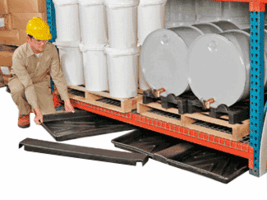
- Material Composition: Chemical-Resistant Polyethylene Construction
- Containment Capacities: 8 Gallon, 16 Gallon, and 24 Gallon Systems
- Configurations: Single, Two-Tray, and Three-Tray Rack Containment Layouts
- Application Type: Secondary Spill Containment for Shelving and Rack Storage
- Compliance: Supports EPA Spill Containment and Leak Control Practices

| Buy More, Save More! | ||
|---|---|---|
| Quantity | Price Each | |
| 1 - 11 pieces | $69.95 ea. | |
| 12+ pieces | $56.66 ea. | |
| Buy More, Save More! | ||
|---|---|---|
| Quantity | Price Each | |
| 1 - 11 pieces | $169.95 ea. | |
| 12+ pieces | $135.91 ea. | |
| Buy More, Save More! | ||
|---|---|---|
| Quantity | Price Each | |
| 1 - 11 pieces | $249.95 ea. | |
| 12+ pieces | $212.41 ea. | |
Product Comparision Chart
Rack Spill Containment Configurations
Ultra-Rack Containment Tray® systems are designed to provide secondary containment beneath industrial storage racks and shelving systems. The trays are available in single, double, and triple tray configurations to match different rack widths and storage capacities. Single tray systems provide localized containment for smaller shelving sections, while two-tray and three-tray systems allow wider spill coverage across multiple storage positions. The low-profile 2 3/4-inch height minimizes interference with rack operations while maintaining liquid containment capacity.
Polyethylene Material Construction
The containment trays are manufactured from molded polyethylene designed for chemical resistance and impact durability. Polyethylene construction resists corrosion, rust, and degradation caused by exposure to oils, solvents, coolants, and industrial cleaning agents. Unlike painted steel containment products, polyethylene trays do not require coating maintenance and are suitable for humid or chemically active environments. The molded design also eliminates welded seams that may fail under continuous chemical exposure.
Secondary Containment Functions
Rack containment trays are intended to capture leaks, drips, and container failures before liquids reach warehouse floors or drains. These systems are commonly installed beneath chemical containers, lubricants, maintenance fluids, and process chemicals stored on shelving units. By isolating spills within the tray system, facilities can reduce cleanup requirements and minimize slip hazards around storage areas. Multiple tray systems can also be installed along extended rack rows to create larger containment zones.
Industrial Storage Applications
Ultra-Rack Containment Tray® systems are used in manufacturing facilities, warehouses, automotive maintenance departments, chemical processing plants, and laboratory storage environments. Facilities storing pails, bottles, jugs, or small drums frequently use rack containment systems to manage incidental leaks. Warehousing operations handling liquid inventory can install containment trays beneath storage shelves to support spill prevention procedures and housekeeping requirements. Maintenance shops also use these systems beneath lubricant and fluid storage racks.
Compliance and Spill Management Considerations
Secondary containment systems are commonly incorporated into spill control programs intended to support EPA, OSHA, and facility-specific environmental practices. Rack containment trays help facilities isolate leaking materials before they migrate into walkways, floor drains, or soil. Facilities storing hazardous liquids often use containment systems as part of broader spill response planning and environmental management procedures. The modular tray design also allows damaged sections to be replaced without removing entire containment assemblies.
Containment System Selection Criteria
Selection of rack containment systems depends on shelf dimensions, liquid storage volume, chemical compatibility requirements, and expected spill capacity. Facilities handling corrosive chemicals may require broader chemical resistance verification based on stored substances. Wider rack systems may benefit from multi-tray configurations to provide continuous spill capture coverage. Buyers should also evaluate total liquid volume stored above the trays to determine appropriate containment sizing and spill management requirements.
| Product Configuration | Dimensions | Containment Capacity | Material | Application |
|---|---|---|---|---|
| Single Tray System | 23.5" W x 44" L x 2 3/4" H | 8 Gallons | Polyethylene | Individual Rack Shelf Containment |
| Two Tray System | 48" W x 44" L x 2 3/4" H | 16 Gallons | Polyethylene | Dual Shelf Spill Containment |
| Three Tray System | 72" W x 44" L x 2 3/4" H | 24 Gallons | Polyethylene | Multi-Shelf Rack Protection |
Rack Spill Containment Configurations
Ultra-Rack Containment Tray® systems are designed to provide secondary containment beneath industrial storage racks and shelving systems. The trays are available in single, double, and triple tray configurations to match different rack widths and storage capacities. Single tray systems provide localized containment for smaller shelving sections, while two-tray and three-tray systems allow wider spill coverage across multiple storage positions. The low-profile 2 3/4-inch height minimizes interference with rack operations while maintaining liquid containment capacity.
Polyethylene Material Construction
The containment trays are manufactured from molded polyethylene designed for chemical resistance and impact durability. Polyethylene construction resists corrosion, rust, and degradation caused by exposure to oils, solvents, coolants, and industrial cleaning agents. Unlike painted steel containment products, polyethylene trays do not require coating maintenance and are suitable for humid or chemically active environments. The molded design also eliminates welded seams that may fail under continuous chemical exposure.
Secondary Containment Functions
Rack containment trays are intended to capture leaks, drips, and container failures before liquids reach warehouse floors or drains. These systems are commonly installed beneath chemical containers, lubricants, maintenance fluids, and process chemicals stored on shelving units. By isolating spills within the tray system, facilities can reduce cleanup requirements and minimize slip hazards around storage areas. Multiple tray systems can also be installed along extended rack rows to create larger containment zones.
Industrial Storage Applications
Ultra-Rack Containment Tray® systems are used in manufacturing facilities, warehouses, automotive maintenance departments, chemical processing plants, and laboratory storage environments. Facilities storing pails, bottles, jugs, or small drums frequently use rack containment systems to manage incidental leaks. Warehousing operations handling liquid inventory can install containment trays beneath storage shelves to support spill prevention procedures and housekeeping requirements. Maintenance shops also use these systems beneath lubricant and fluid storage racks.
Compliance and Spill Management Considerations
Secondary containment systems are commonly incorporated into spill control programs intended to support EPA, OSHA, and facility-specific environmental practices. Rack containment trays help facilities isolate leaking materials before they migrate into walkways, floor drains, or soil. Facilities storing hazardous liquids often use containment systems as part of broader spill response planning and environmental management procedures. The modular tray design also allows damaged sections to be replaced without removing entire containment assemblies.
Containment System Selection Criteria
Selection of rack containment systems depends on shelf dimensions, liquid storage volume, chemical compatibility requirements, and expected spill capacity. Facilities handling corrosive chemicals may require broader chemical resistance verification based on stored substances. Wider rack systems may benefit from multi-tray configurations to provide continuous spill capture coverage. Buyers should also evaluate total liquid volume stored above the trays to determine appropriate containment sizing and spill management requirements.

