


Spill Containment Ramps | Poly Spill Pallet Access Ramps
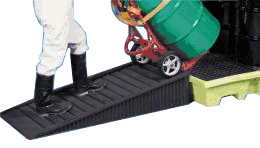
- Materials: Polyethylene Construction with Chemical-Resistant Surface
- Sizes: 68" x 30" x 12" Ramp and 29" x 9" x 7" Ramp Extender
- Applications: Spill Pallet Loading, Drum Handling, Pallet Jack Access
- Compatibility: Designed for Use with Spill Containment Pallets and Deck Systems
- Configurations: Low-Profile Ramp and Modular Ramp Extension Components

$285.97
$379.95
(You Save 25%)$79.97
$129.95
(You Save 38%)| Product | Dimensions | Material | Application | Compatibility |
|---|---|---|---|---|
| Enpac Poly-Ramp Low Profile Ramp | 68" x 30" x 12" | Polyethylene | Pallet Jack and Drum Access | Low-Profile Spill Pallets |
| Enpac Poly-Ramp Ramp Extender | 29" x 9" x 7" | Polyethylene | Ramp Length Extension | Poly-Ramp Systems |
Low-Profile Spill Pallet Ramp Configurations
Poly spill pallet ramps are engineered to provide gradual elevation changes between floor level and spill containment platforms. Low-profile ramps are commonly paired with spill pallets that support drum storage, liquid dispensing stations, and chemical transfer operations. The ramp geometry allows pallet jacks and carts to transition onto containment systems without excessive lifting or abrupt wheel movement.
Ramp extender sections are used to increase approach length or reduce incline angles in facilities where heavier loads or wheeled transport equipment are frequently used. Modular ramp systems can be configured to fit specific spill containment layouts while maintaining stable loading conditions during transport operations.
Polyethylene Construction and Chemical Resistance
Industrial spill containment ramps are manufactured from molded polyethylene materials designed for chemical resistance and corrosion prevention. Polyethylene construction provides resistance against many industrial chemicals, oils, solvents, and cleaning agents commonly encountered in containment environments. Unlike painted steel ramps, polyethylene ramps do not rust or corrode when exposed to moisture or aggressive chemical conditions. Molded construction also eliminates welded seams that may weaken over time in wet or corrosive environments. Textured ramp surfaces help improve traction for carts, pallet jacks, and operator foot traffic during loading and unloading procedures. Polyethylene materials also reduce maintenance requirements compared to metal systems, particularly in outdoor or washdown applications where water exposure is frequent.
Industrial Loading and Drum Handling Applications
Spill pallet ramps are used in facilities where drums, pails, and intermediate bulk containers are routinely moved onto containment systems. Common industries include chemical processing, manufacturing, automotive maintenance, oil and lubricant storage, wastewater treatment, agriculture, and industrial cleaning operations. Low-profile ramp systems assist with ergonomic material handling by reducing the need for operators to manually lift heavy containers over containment sump edges. This is particularly important in facilities using wheeled drum dollies, pallet jacks, or transport carts for liquid handling operations.
Ramp extenders may also be used in confined workspaces where equipment turning radius or floor elevation changes require additional loading flexibility.
Compatibility with Spill Containment Systems
Poly spill pallet ramps are designed for integration with spill containment decks, low-profile pallets, and modular containment systems. Compatibility between the ramp width and containment platform dimensions is an important selection factor for maintaining stable equipment movement. Facilities using multiple connected spill decks may require wider or extended ramp access points to support pallet jack maneuverability. Ramp systems should also be evaluated based on load capacity, wheel type compatibility, and floor surface conditions.
Operators should verify that ramp materials are chemically compatible with stored liquids and that containment systems remain compliant with facility spill control procedures and applicable environmental regulations.
Selection Criteria for Spill Containment Ramps
Selecting a spill containment ramp involves evaluating equipment type, container weight, loading frequency, and containment platform dimensions. Facilities using pallet jacks or wheeled carts typically require low-angle ramps to reduce vibration and improve equipment stability during transport. Ramp dimensions should match the width and height of the spill pallet system to prevent uneven loading conditions. Facilities handling aggressive chemicals should confirm compatibility between the ramp material and stored substances.
Additional considerations include indoor versus outdoor installation, exposure to ultraviolet light, cleaning procedures, and the need for modular expansion using ramp extender components.

