


Socket Head Drum Wrench for Hex-Head Plugs
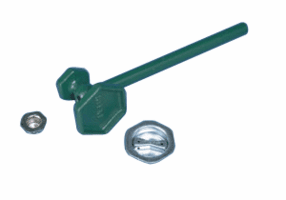
- Material Composition: Cast Iron, Sparkless Bronze.
- Size Range: 1-1/2", 3/4", and 2-3/4" Socket Heads.
- Compliance/Ratings: Non-Sparking (Bronze models) for hazardous environments.
- Closure Compatibility: Standard Hex-Head Bung Plugs and Drum Closures.

| Buy More, Save More! | ||
|---|---|---|
| Quantity | Price Each | |
| 1 - 2 pieces | $51.95 ea. | |
| 3 - 5 pieces | $49.65 ea. | |
| 6+ pieces | $46.82 ea. | |
| Buy More, Save More! | ||
|---|---|---|
| Quantity | Price Each | |
| 1 - 2 pieces | $144.95 ea. | |
| 3 - 5 pieces | $137.65 ea. | |
| 6+ pieces | $130.33 ea. | |
| Buy More, Save More! | ||
|---|---|---|
| Quantity | Price Each | |
| 1 - 2 pieces | $144.95 ea. | |
| 3 - 5 pieces | $137.65 ea. | |
| 6+ pieces | $130.33 ea. | |
| Buy More, Save More! | ||
|---|---|---|
| Quantity | Price Each | |
| 1 - 2 pieces | $144.95 ea. | |
| 3 - 5 pieces | $137.65 ea. | |
| 6+ pieces | $130.33 ea. | |
| Product Name | Material | Socket Size | Application |
|---|---|---|---|
| Cast Iron Socket Head Drum Wrench | Cast Iron | 2-3/4 inch | Standard Industrial Use |
| Sparkless Bronze Socket Head Wrench | Bronze | 2-3/4 inch | Hazardous Environments |
| Sparkless Bronze Socket Head Wrench | Bronze | 1-1/2" & 3/4" | Hazardous Environments |
| Sparkless Bronze Socket Head Wrench (Type 2) | Bronze | 2", 1-1/2" & 3/4" | Hazardous Environments |
Specialized Socket Head Geometry Socket head drum wrenches are distinct from universal bung wrenches in their precision-fit design. These tools feature a recessed or protruding socket interface that matches the internal or external hex drive of a drum plug. Common configurations include the 2-3/4 inch socket for large industrial bungs and multi-size heads (1-1/2 inch and 3/4 inch) for smaller secondary plugs. This specific geometry prevents the rounding of the hex corners during high-torque operations, ensuring that the plug can be repeatedly sealed and unsealed without compromising the closure's mechanical properties or vacuum-tight seal.
Alloy Selection and Durability Industrial drum wrenches are manufactured from two primary materials based on environmental risk factors. Cast iron wrenches provide high tensile strength and rigidity, making them suitable for heavy-duty torque requirements where volatile gases are not present. bronze alloys are utilized for "sparkless" or non-sparking requirements. Bronze is softer than steel or iron, which prevents the generation of friction-based sparks when the tool strikes a metal surface. This material property is a critical safety requirement when working with solvents, fuels, or specialized chemical compounds with low flash points.
Compliance with Safety Protocols The use of sparkless bronze tools is often mandated by OSHA (Occupational Safety and Health Administration) and NFPA (National Fire Protection Association) guidelines for Class I, Division 1 hazardous locations. In these environments, the potential for an explosive atmosphere requires the use of non-ferrous tools to mitigate ignition risks. Furthermore, using the correct socket size ensures that drum closures are tightened to the manufacturer's specified torque, which is necessary to maintain UN Rating certifications for the transport of hazardous materials (DOT 49 CFR).
Sector-Specific Utility In the petroleum and chemical industries, socket head wrenches are used to secure bungs on 55-gallon drums containing flammable liquids. The 2-3/4 inch socket is the industry standard for these high-volume containers. In food and beverage processing, these tools facilitate the hygienic opening of ingredient drums. Agricultural sectors utilize these wrenches for the dispensing of fertilizers and pesticides. The use of specialized socket heads is particularly prevalent in automated or semi-automated filling lines where standardized tool interfaces reduce downtime and prevent manual handling errors.
Technical Factors for Procurement Selecting the appropriate drum wrench requires an assessment of the plug material, the plug size, and the surrounding environment. Buyers must identify if the hex-head plug is a standard 2-3/4 inch size or a smaller variation. The presence of flammable vapors necessitates the utilization of bronze over cast iron. Additionally, handle length and grip design should be evaluated for leverage requirements; larger sockets typically require longer handles to provide the mechanical advantage necessary to break the factory seal on heavy-gauge steel drums without damaging the operator or the equipment.

