


Lightweight Aluminum Drum Plug Wrenches & Bung Tools
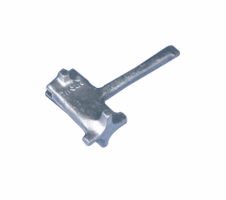
- Material Composition: Cast Aluminum, Manganese Bronze, Cast Steel, Zinc-Plated Iron.
- Size/Capacity Range: Optimized for 2-inch and 3/4-inch NPS and Buttress bung patterns.
- Compliance/Ratings: Non-Sparking (Aluminum/Bronze), Spark-Resistant, and Food-Grade options.
- Closure Types: Fits Hex-Head, Round-Head, and Square-Head drum plugs.

| Product Name | Material | Compatible Bung Sizes | Non-Sparking |
|---|---|---|---|
| Lightweight Aluminum Drum Plug Wrench | Cast Aluminum | 2" and 3/4" | Yes |
Wrench Geometry and Head Designs Drum plug wrenches are configured to interface with the two primary bung sizes found on industrial containers: the 2-inch (50 mm) large opening and the 3/4-inch (19 mm) small vent opening. Universal models feature a multi-point head design that accommodates various internal and external plug patterns, such as cross-bar, hex-head, and offset designs. Offset handle configurations are common in industrial applications to provide knuckle clearance and improved leverage when breaking seals on over-tightened or corroded plugs. Specialized "S-type" and "Type-B" wrenches offer circular or hook-shaped profiles to handle metric M64 buttress threads often found on plastic high-density polyethylene (HDPE) drums.
Metallurgical Properties and Tool Durability The construction material of a bung wrench dictates its torque capacity and safety rating. Cast aluminum wrenches provide a high strength-to-weight ratio and are naturally spark-resistant, making them suitable for routine liquid transfer. For higher-intensity industrial environments, manganese bronze or copper-titanium alloys offer superior tensile strength and durability compared to aluminum while maintaining non-sparking properties. Zinc-plated cast steel or ductile iron wrenches are utilized for non-flammable applications where maximum torque is required to open drums with seized threads. These ferrous tools are often coated to resist oxidation and chemical splash during use.
UN Ratings and Safety Compliance While the containers themselves carry UN ratings (such as 1A1 for tight-head steel drums), the tools used to secure them must facilitate compliance with Department of Transportation (DOT) and OSHA safety standards. To maintain the integrity of a drum’s UN rating, plugs must be tightened to specific torque values—often ranging from 15 to 40 foot-pounds—to ensure a leak-proof seal during transit. In hazardous environments classified by the EPA or OSHA as potentially explosive, the use of non-sparking (non-ferrous) tools is a regulatory requirement to prevent mechanical sparks from igniting volatile organic compounds (VOCs) or flammable vapors.
Sector-Specific Tool Implementation Drum wrenches are essential across various sectors, including the chemical, pharmaceutical, and agricultural industries. In petroleum and solvent storage, non-sparking bronze wrenches are mandatory for safety during the extraction of flammable liquids. The food and beverage industry often utilizes stainless steel or high-strength nylon wrenches to meet FDA and NSF standards for sanitation and to prevent metallic contamination. Agricultural operations rely on universal wrenches to handle bulk pesticide and fertilizer drums, where chemical compatibility with the tool material is necessary to prevent accelerated corrosion from concentrated acids or bases.
Technical Factors for Tool Integration Selecting the appropriate drum wrench requires an evaluation of the plug material, the storage environment, and the frequency of use. Buyers must identify if the bungs are National Pipe Straight (NPS) threads or buttress threads, as the drive patterns differ significantly. For facilities handling diverse container types, a universal bung wrench is the standard choice to eliminate the need for multiple specialized tools. Environmental factors also dictate selection; if the storage area contains combustible dust or vapors, a certified non-sparking alloy is required. Finally, handle length should be considered, as longer handles provide the mechanical advantage necessary for high-torque applications.

