


Combination Industrial Drum Wrenches | Plug and Bung Tools
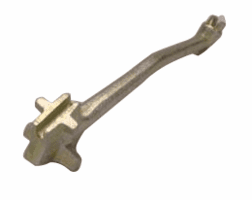
- Material Composition: Cast Steel, Manganese Bronze, Aluminum.
- Compatibility: Round-Head Plugs, Hex Plugs, 2" and 3/4" Bungs.
- Safety Ratings: Non-sparking options for hazardous environments.
- Design: Universal multi-fit and offset handle configurations.

| Product Name | Material | Plug Compatibility |
|---|---|---|
| Cast Steel Combination Drum Wrench for Round-Head Plugs | Cast Steel | Universal / Round-Head |
| Manganese Bronze Combination Drum Wrench for Round-Head Plugs | Manganese Bronze | Universal / Non-Sparking |
Configuration Analysis Industrial drum wrenches are categorized by their head geometry and handle length. Combination wrenches feature a multi-faceted head designed to fit various bung patterns, including standard round-head plugs and hexagonal patterns. The offset handle design is a common configuration that protects the user's knuckles by providing clearance between the hand and the drum surface. Some models utilize a crossbar design to provide maximum torque for seized or over-tightened plugs. These tools are engineered to engage the lugs of the bung specifically, preventing the stripping of the closure that often occurs when using non-specialized tools like pipe wrenches or pliers.
Material Engineering The metallurgical properties of a drum wrench determine its suitability for specific industrial environments. Cast steel wrenches offer high tensile strength and durability for heavy-duty mechanical use where spark risk is not a primary concern. Manganese bronze and aluminum-bronze alloys are utilized for "non-sparking" requirements. These non-ferrous materials have lower hardness and different thermal conductivity, which significantly reduces the risk of generating a spark upon impact. This is a technical requirement in environments containing flammable vapors or combustible dust. For lightweight applications where corrosion resistance is required, reinforced polymers or aluminum alloys may be utilized, though they offer lower torque thresholds than steel or bronze.
Regulatory Standards The use of appropriate bung wrenches is governed by OSHA and DOT regulations regarding the safe handling of hazardous materials. Specifically, 49 CFR requires that containers be closed according to the manufacturer's specifications to maintain UN ratings during transport. Over-tightening or under-tightening can compromise the gasket seal, leading to leaks or failure during pressure testing. Calibrated torque wrenches are often required in industrial filling operations to ensure closures meet specific inch-pound requirements. Non-sparking tools are further regulated by NFPA standards in Class I, Division 1 locations where explosive atmospheres are present.
Industrial Applications In the chemical and petroleum sectors, manganese bronze wrenches are mandatory for opening drums containing volatile solvents or fuels to mitigate ignition risks. The food and pharmaceutical industries utilize stainless steel or plated wrenches to prevent cross-contamination and ensure the tools can withstand rigorous sanitation protocols. Agricultural operations utilize universal steel wrenches for the rapid dispensing of fertilizers and pesticides from bulk drums. In waste management, heavy-duty cast steel wrenches are used to secure drums containing industrial byproducts for long-term storage and transport to disposal facilities.
### Selection Criteria When selecting a drum wrench, the primary technical factor is the bung pattern of the container. While many wrenches are marketed as "universal," buyers must verify compatibility with specific international or proprietary plug designs. Second, the environmental hazard level must be assessed to determine if a non-sparking alloy is required by safety protocols. Third, the required torque must be considered; larger diameter bungs or those with specialized gaskets may require longer handles for increased mechanical advantage. Finally, the frequency of use dictates the material durability, with cast steel being the standard for high-cycle industrial environments.

