


Polyethylene Bottles With Shipping Boxes
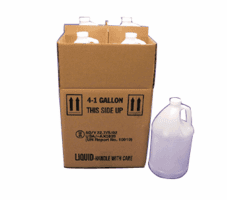
- Material Composition: High-Density Polyethylene (HDPE) and polyethylene bottle constructions.
- Size/Capacity Range: 1/2-gallon and 1-gallon bottle capacities.
- Compliance/Ratings: UN-rated 4G packaging available on designated 1-gallon configurations.
- Configurations: Round and square bottles, shipping-box packages, capped bottles, and bulk-packed formats.


Product Comparison Chart
Round, Square, and Packaged Bottle Configurations The available polyethylene bottles are supplied in several physical and packaging configurations. Round bottles are offered in both 1/2-gallon and 1-gallon capacities and use a cylindrical profile commonly applied to liquid storage and dispensing. The square 1-gallon configuration changes the container footprint and can influence carton arrangement, shelf utilization, and handling. Several products are packaged with shipping boxes, while the 1-gallon bulk-packed polyethylene bottles provide an alternative configuration where individual shipping-box packaging is not specified. Pack quantities include four-bottle packs for the listed 1-gallon models and a six-bottle pack for the 1/2-gallon HDPE bottle configuration.
HDPE and Polyethylene Construction High-density polyethylene is a thermoplastic commonly used for rigid bottle construction because its molecular structure provides resistance to moisture and a range of compatible chemicals. The product group includes bottles specifically identified as HDPE as well as products described generally as polyethylene. Material compatibility should be verified against the intended contents because chemical resistance varies according to concentration, temperature, exposure duration, and formulation. Polyethylene bottles also differ from metal containers because they do not rust, although exposure to certain solvents, oxidizers, elevated temperatures, or ultraviolet conditions can affect performance. Wall thickness, closure design, and molded geometry should be evaluated where stacking, repeated handling, or transportation loads are involved.
UN-Rated 4G Combination Packaging One listed 1-gallon polyethylene bottle package is identified as UN-rated 4G packaging. The 4G designation applies to a fiberboard box used as an outer package within a tested combination packaging system. A UN marking does not mean every polyethylene bottle or shipping box is automatically approved for every hazardous material. Shippers must match the completed package to the applicable hazardous material classification, packing group, permitted packaging instruction, closure method, and gross weight limitations. DOT hazardous materials requirements govern transportation in the United States, while OSHA requirements primarily address workplace hazard communication, labeling, and employee handling. Buyers shipping regulated materials should verify the complete package specification and required markings before use.
Storage, Shipping, and Process Applications Polyethylene bottles in these capacities can be used across chemical processing, manufacturing, agriculture, laboratory operations, maintenance, and compatible food-related handling. One-gallon bottles can support bulk liquid sampling, chemical distribution, cleaning-product packaging, process-fluid storage, and agricultural liquid handling. Half-gallon bottles provide a smaller package where lower dispensing volumes or multiple containers are preferred. Shipping-box configurations provide an outer carton for handling and transportation, while bulk-packed bottles may be suited to operations that already use separate cartons or secondary packaging systems. Food-related use should only be assigned where the specific bottle, closure, and manufacturing specification are documented as appropriate for that application.
Capacity, Compatibility, Closure, and Shipping Requirements Selection should begin with the required 1/2-gallon or 1-gallon capacity, followed by bottle shape and packaging format. Chemical compatibility between the polyethylene resin, closure components, and stored product should be reviewed before filling. Buyers should also consider filling temperature, storage duration, ultraviolet exposure, warehouse temperature, stacking conditions, and dispensing method. For transportation, determine whether ordinary corrugated packaging is sufficient or whether a tested UN-rated system is required. When hazardous materials are involved, the bottle, cap, absorbent or cushioning materials where applicable, outer fiberboard box, closure procedure, and package markings must correspond to the authorized packaging configuration.
| Product | Capacity | Shape | Pack Quantity | Packaging / Rating |
|---|---|---|---|---|
| Round HDPE Bottles With Shipping Boxes | 1 Gallon | Round | 4 Pack | Shipping Boxes |
| Round HDPE Bottles with Caps | 1/2 Gallon | Round | 6 Pack | Caps Included |
| Polyethylene Bottles With Shipping Box | 1 Gallon | Not Specified | 4 Pack | UN-Rated 4G Packaging |
| Square Polyethylene Bottles With Shipping Boxes | 1 Gallon | Square | 4 Pack | Shipping Boxes |
| Round Bulk Packed Polyethylene Bottles | 1 Gallon | Round | 4 Pack | Bulk Packed |
Round, Square, and Packaged Bottle Configurations The available polyethylene bottles are supplied in several physical and packaging configurations. Round bottles are offered in both 1/2-gallon and 1-gallon capacities and use a cylindrical profile commonly applied to liquid storage and dispensing. The square 1-gallon configuration changes the container footprint and can influence carton arrangement, shelf utilization, and handling. Several products are packaged with shipping boxes, while the 1-gallon bulk-packed polyethylene bottles provide an alternative configuration where individual shipping-box packaging is not specified. Pack quantities include four-bottle packs for the listed 1-gallon models and a six-bottle pack for the 1/2-gallon HDPE bottle configuration.
HDPE and Polyethylene Construction High-density polyethylene is a thermoplastic commonly used for rigid bottle construction because its molecular structure provides resistance to moisture and a range of compatible chemicals. The product group includes bottles specifically identified as HDPE as well as products described generally as polyethylene. Material compatibility should be verified against the intended contents because chemical resistance varies according to concentration, temperature, exposure duration, and formulation. Polyethylene bottles also differ from metal containers because they do not rust, although exposure to certain solvents, oxidizers, elevated temperatures, or ultraviolet conditions can affect performance. Wall thickness, closure design, and molded geometry should be evaluated where stacking, repeated handling, or transportation loads are involved.
UN-Rated 4G Combination Packaging One listed 1-gallon polyethylene bottle package is identified as UN-rated 4G packaging. The 4G designation applies to a fiberboard box used as an outer package within a tested combination packaging system. A UN marking does not mean every polyethylene bottle or shipping box is automatically approved for every hazardous material. Shippers must match the completed package to the applicable hazardous material classification, packing group, permitted packaging instruction, closure method, and gross weight limitations. DOT hazardous materials requirements govern transportation in the United States, while OSHA requirements primarily address workplace hazard communication, labeling, and employee handling. Buyers shipping regulated materials should verify the complete package specification and required markings before use.
Storage, Shipping, and Process Applications Polyethylene bottles in these capacities can be used across chemical processing, manufacturing, agriculture, laboratory operations, maintenance, and compatible food-related handling. One-gallon bottles can support bulk liquid sampling, chemical distribution, cleaning-product packaging, process-fluid storage, and agricultural liquid handling. Half-gallon bottles provide a smaller package where lower dispensing volumes or multiple containers are preferred. Shipping-box configurations provide an outer carton for handling and transportation, while bulk-packed bottles may be suited to operations that already use separate cartons or secondary packaging systems. Food-related use should only be assigned where the specific bottle, closure, and manufacturing specification are documented as appropriate for that application.
Capacity, Compatibility, Closure, and Shipping Requirements Selection should begin with the required 1/2-gallon or 1-gallon capacity, followed by bottle shape and packaging format. Chemical compatibility between the polyethylene resin, closure components, and stored product should be reviewed before filling. Buyers should also consider filling temperature, storage duration, ultraviolet exposure, warehouse temperature, stacking conditions, and dispensing method. For transportation, determine whether ordinary corrugated packaging is sufficient or whether a tested UN-rated system is required. When hazardous materials are involved, the bottle, cap, absorbent or cushioning materials where applicable, outer fiberboard box, closure procedure, and package markings must correspond to the authorized packaging configuration.

