


Paint Cans & Accessories | Industrial Coating Containers
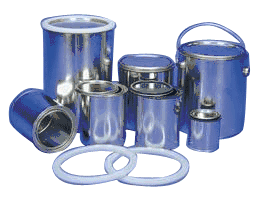
- Material Composition: Tin-Plated Steel, High-Density Polyethylene (HDPE), Polypropylene.
- Size/Capacity Range: 1/4 Pint to 1-Gallon volumes.
- Compliance/Ratings: UN-Rated options for hazardous liquids; FDA-compliant resins.
- Closure Types: Friction-Fit Lids (Ligneous), Screw-Top, and Locking Ring Overseals.

| Product Category | Primary Material | Standard Capacities | Primary Application |
|---|---|---|---|
| Paint Cans | Tin-Plated Steel | 1/4 Pint - 1 Gallon | Solvents, Oil-based Paints |
| Plastic Paint Cans | HDPE / Polypropylene | 1 Quart - 1 Gallon | Water-based Coatings, Adhesives |
| Paint Can Overseals | Tin-Plated Steel / Plastic | Universal Fit | Shipping Compliance (DOT) |
Friction-Top and Secure Closures The primary structural feature of a metal paint can is the "tripletite" or "friction-fit" lid system. This design utilizes a deep groove in the rim and a corresponding ring on the lid to create multiple points of contact, effectively sealing the container against air infiltration. For 1-gallon plastic variants, screw-top or snap-on lids are utilized depending on the viscosity of the contents. Secondary closure systems, specifically paint can overseals, are applied over the friction lid. These rings provide mechanical reinforcement to ensure the lid remains seated during the high-pressure environment of palletized shipping and mechanical vibration.
Substrate Properties and Linings Industrial paint cans are predominantly manufactured from tin-plated steel, which provides high structural integrity and resistance to rust in dry environments. For water-based or corrosive materials, these metal cans are often treated with internal epoxy or phenolic linings to prevent chemical reactions between the contents and the steel. 1-Gallon plastic containers are molded from High-Density Polyethylene (HDPE), which is inherently resistant to corrosion and impact. Unlike metal, HDPE does not dent and is compatible with a wider pH range of chemicals. The choice between lined metal and plastic depends on the solvent-to-water ratio of the coating being stored.
UN Ratings and Shipping Compliance Transporting paints and coatings often requires compliance with Department of Transportation (DOT) and United Nations (UN) standards for hazardous materials. Metal paint cans can be UN-rated when paired with specific closure systems, such as locking rings or overseals, which prevent the lid from dislodging during a drop test. UN markings on these containers indicate the packing group and maximum hydrostatic pressure the unit can withstand. For air transport, containers must meet IATA regulations regarding pressure differentials. Non-rated containers are restricted to non-hazardous liquids or localized storage applications where transit stresses are minimal.
Sector-Specific Utilization Beyond architectural paint, these containers are utilized in the chemical sector for storing resins, epoxies, and catalysts. In the automotive industry, small-capacity tin cans are standard for touch-up paints and specialized finishes. The 1-gallon plastic format is frequently used in the adhesive and sealant industry due to its ease of cleaning and compatibility with water-borne glues. Furthermore, laboratory environments utilize unlined tin-plated cans for the collection and transport of core samples and chemical waste, where the rigid structure protects the integrity of the sample during movement.
Technical Factors for Implementation When selecting a container, chemical compatibility is the primary technical variable. Solvent-based chemicals require metal or specialized fluorinated plastic to prevent container softening. Conversely, latex-based products require plastic or lined metal to prevent the formation of rust blooms that contaminate the coating. Buyers must also evaluate the storage environment; tin-plated steel is susceptible to external oxidation in high-humidity areas, whereas HDPE is unaffected by moisture. Finally, the viscosity of the material dictates the lid type, with wide-mouth friction tops being necessary for high-viscosity materials that require manual pouring or mixing.

