


Oil Safe Containers & Accessories | Lubrication Storage
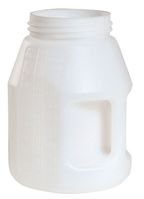
- Material Composition: High-Density Polyethylene (HDPE); UV-stabilized and anti-static.
- Size/Capacity Range: 1.5-Quart, 2-Quart, 3-Quart, 5-Quart, and 10-Quart volumes.
- Compliance/Ratings: Color-coded identification system for industrial lubricant management.
- Closure Types: Fully integrated sealing with spout, utility, and storage lid options.

$17.98$20.98(You Save 14%)
| Buy More, Save More! | ||
|---|---|---|
| Quantity | Price Each | You Save |
| 1 - 5 pieces | $17.98 ea. | $3.00 (14%) |
| 6 - 11 pieces | $18.98 ea. | $2.00 (10%) |
| 12+ pieces | $15.98 ea. | $5.00 (24%) |
$18.98$21.98(You Save 14%)
| Buy More, Save More! | ||
|---|---|---|
| Quantity | Price Each | You Save |
| 1 - 5 pieces | $18.98 ea. | $3.00 (14%) |
| 6 - 11 pieces | $17.98 ea. | $4.00 (18%) |
| 12+ pieces | $16.98 ea. | $5.00 (23%) |
$22.98$29.99(You Save 23%)
| Buy More, Save More! | ||
|---|---|---|
| Quantity | Price Each | You Save |
| 1 - 5 pieces | $22.98 ea. | $7.01 (23%) |
| 6 - 11 pieces | $21.98 ea. | $8.01 (27%) |
| 12+ pieces | $20.98 ea. | $9.01 (30%) |
$25.98$32.99(You Save 21%)
| Buy More, Save More! | ||
|---|---|---|
| Quantity | Price Each | You Save |
| 1 - 5 pieces | $25.98 ea. | $7.01 (21%) |
| 6 - 11 pieces | $24.98 ea. | $8.01 (24%) |
| 12+ pieces | $23.98 ea. | $9.01 (27%) |
$54.98$64.99(You Save 15%)
| Buy More, Save More! | ||
|---|---|---|
| Quantity | Price Each | You Save |
| 1 - 5 pieces | $54.98 ea. | $10.01 (15%) |
| 6 - 11 pieces | $53.98 ea. | $11.01 (17%) |
| 12+ pieces | $52.98 ea. | $12.01 (18%) |
$129.98
$150.00
(You Save 13%)$175.98
$200.00
(You Save 12%)$4.98$5.98(You Save 17%)
| Buy More, Save More! | ||
|---|---|---|
| Quantity | Price Each | You Save |
| 1 - 5 pieces | $4.98 ea. | $1.00 (17%) |
| 6+ pieces | $4.48 ea. | $1.50 (25%) |
| Buy More, Save More! | ||
|---|---|---|
| Quantity | Price Each | |
| 1 - 5 pieces | $36.98 ea. | |
| 6 - 11 pieces | $33.28 ea. | |
| 12+ pieces | $31.43 ea. | |
| Buy More, Save More! | ||
|---|---|---|
| Quantity | Price Each | |
| 1 - 5 pieces | $5.95 ea. | |
| 6 - 11 pieces | $5.49 ea. | |
| 12+ pieces | $4.95 ea. | |
| Product Name | Capacity | Volume Discount Availability |
|---|---|---|
| 1.5 Quart Oil Safe® Lubrication Container | 1.5 Quart | Yes |
| 2 Quart Oil Safe® Lubrication Container | 2 Quart | Yes |
| 3 Quart Oil Safe Lubrication Container | 3 Quart | Yes |
| 5 Quart Oil Safe® Lubrication Container | 5 Quart | Yes |
| 10 Quart Oil Safe® Lubrication Container | 10 Quart | Yes |
| Pump for 3, 5, & 10 Quart Containers | N/A | No |
| Premium Utility D-Handle Pump | N/A | No |
| Pump Reducer Nozzle | N/A | Yes |
| Stretch Spout Extension Hose | N/A | No |
| Hose Extension Stumpy | N/A | Yes |
| Content Labels (10 Pack) | N/A | Yes |
Integrated Fluid Management Components The Oil Safe system is engineered with a modular design that separates the container body from the dispensing lid. This allows for interchangeable configurations based on the viscosity of the fluid and the required flow rate. Spout lids are available in several formats, including "stumpy" designs for high-flow applications and "stretch" spouts for precise pouring. For high-viscosity oils or large-volume transfers, the system integrates manual pumps—such as the D-handle premium utility pump—directly into the 3, 5, or 10-quart containers. This creates a sealed environment that protects the lubricant from airborne particulates and moisture during the transfer process.
Polyethylene Construction and Chemical Resistance Containers are manufactured from industrial-grade High-Density Polyethylene (HDPE). This material provides high impact strength and thermal stability across a broad range of operating temperatures. HDPE is chemically inert to most mineral and synthetic lubricants, including hydraulic fluids, gear oils, and engine oils. The inclusion of UV stabilizers prevents material degradation and brittleness when containers are exposed to direct sunlight in outdoor staging areas. Furthermore, the plastic is formulated to be anti-static, reducing the risk of electrostatic discharge in sensitive environments. The translucent walls of the vessels incorporate graduated markings in both metric and imperial units for accurate inventory monitoring.
Compliance and Contamination Control While these containers are designed for internal facility use rather than over-the-road hazardous material transport (DOT), they are critical for OSHA compliance regarding secondary container labeling. The color-coded system—utilizing up to 10 distinct colors—aligns with international lubrication standards to eliminate human error in fluid identification. By providing a sealed transfer method, these containers assist facilities in meeting ISO 4406 cleanliness codes. Preventing the ingress of silica and water at the point of use extends the service life of machine components and reduces the environmental impact associated with premature oil changes and component failure.
Cross-Sector Lubrication Reliability The Oil Safe system is utilized in heavy manufacturing, mining, and power generation where machinery downtime is a significant operational risk. In food processing, these containers facilitate the segregation of food-grade (H1) lubricants from industrial-grade fluids. Agricultural operations utilize the 5-quart and 10-quart variants for field servicing of heavy equipment, where windborne dust frequently compromises open-top containers. In automotive and aerospace maintenance, the stretch spout extensions allow technicians to reach recessed fill points on gearboxes and transmissions without the need for auxiliary funnels, which are common sources of debris.
Technical Factors for Implementation Selecting the appropriate container size and accessory depends on the viscosity (ISO VG) of the fluid and the lubricant consumption rate of the target equipment. 1.5 and 2-quart containers are suitable for small-sump equipment and top-offs, whereas 10-quart vessels are required for larger fluid exchanges. Users must determine if the application requires a pour-delivery method or a pump-delivery method. For fluids with a viscosity higher than ISO 460, a heavy-duty pump is recommended to maintain efficient flow rates. Additionally, environmental conditions dictate the use of specific label types; adhesive content labels should be applied to clean, dry surfaces to ensure long-term legibility in high-heat or high-moisture zones.

