


IBC Tote Polypropylene Adapters | 2" Valve Fittings
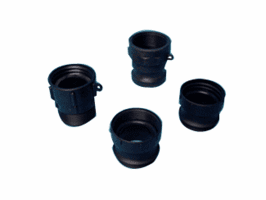
- Material: Polypropylene (PP), Chemical-Resistant Plastic
- Size Range: Standard 2" Connections (FBUTT, NPT, Camlock)
- Compliance: Industrial Use, Chemical Handling Compatible
- Connection Types: Buttress (S60x6), NPT, Camlock Quick Disconnect

$6.95$9.95(You Save 30%)
| Buy More, Save More! | ||
|---|---|---|
| Quantity | Price Each | You Save |
| 1 - 9 pieces | $6.95 ea. | $3.00 (30%) |
| 10 - 19 pieces | $6.25 ea. | $3.70 (37%) |
| 20+ pieces | $6.00 ea. | $3.95 (40%) |
$7.95$11.95(You Save 33%)
| Buy More, Save More! | ||
|---|---|---|
| Quantity | Price Each | You Save |
| 1 - 9 pieces | $7.95 ea. | $4.00 (33%) |
| 10 - 19 pieces | $6.25 ea. | $5.70 (48%) |
| 20+ pieces | $5.95 ea. | $6.00 (50%) |
$7.95$11.95(You Save 33%)
| Buy More, Save More! | ||
|---|---|---|
| Quantity | Price Each | You Save |
| 1 - 9 pieces | $7.95 ea. | $4.00 (33%) |
| 10 - 19 pieces | $6.25 ea. | $5.70 (48%) |
| 20+ pieces | $5.95 ea. | $6.00 (50%) |
$9.98$12.95(You Save 23%)
| Buy More, Save More! | ||
|---|---|---|
| Quantity | Price Each | You Save |
| 1 - 9 pieces | $9.98 ea. | $2.97 (23%) |
| 10 - 19 pieces | $7.95 ea. | $5.00 (39%) |
| 20+ pieces | $6.95 ea. | $6.00 (46%) |
$9.98$14.00(You Save 29%)
| Buy More, Save More! | ||
|---|---|---|
| Quantity | Price Each | You Save |
| 1 - 9 pieces | $9.98 ea. | $4.02 (29%) |
| 10+ pieces | $8.98 ea. | $5.02 (36%) |
| Product Type | Inlet Connection | Outlet Connection | Material | Application |
|---|---|---|---|---|
| IBC Adapter FBUTT x Male Camlock | 2" Female Buttress (S60x6) | 2" Male Camlock | Polypropylene | Quick hose connection for liquid transfer |
| IBC Adapter Female NPT x Male QD | 2" Female NPT | 2" Male Quick Disconnect | Polypropylene | Threaded to quick-connect system conversion |
| Drum Adapter FBUTT x Male NPT | 2" Female Buttress | 2" Male NPT | Polypropylene | IBC to threaded pipe connection |
| IBC Adapter Female NPT x Male Camlock | 2" Female NPT | 2" Male Camlock | Polypropylene | Hybrid connection for flexible systems |
| IBC Adapter Male NPT x Male Camlock | 2" Male NPT | 2" Male Camlock | Polypropylene | Pipe-to-hose quick disconnect interface |
2" polypropylene IBC adapters convert buttress, NPT, and camlock connections for tote systems. Used for chemical, agriculture, and water transfer. Key choice factors: thread type, connection style, and chemical compatibility.
Configuration Analysis
IBC polypropylene adapters are engineered to bridge incompatible thread systems and connection standards. The most common configuration involves a 2-inch female buttress (S60x6) thread, which is standard on IBC tote valves, transitioning to either National Pipe Thread (NPT) or camlock quick-disconnect fittings. Camlock adapters allow rapid hose connection and disconnection without tools, making them suitable for frequent transfer operations. NPT adapters provide a threaded, sealed connection for fixed plumbing setups. Variants include male camlock outputs, female NPT inlets, and hybrid designs such as buttress-to-camlock or buttress-to-NPT, allowing integration with pumps, hoses, and dispensing valves.
Material Engineering
Polypropylene is selected for these adapters due to its resistance to a wide range of chemicals, including acids, alkalis, and solvents. It maintains structural integrity under typical industrial temperature ranges and resists cracking under mechanical stress. Injection molding ensures dimensional consistency for thread engagement and sealing surfaces. Some designs incorporate gasket interfaces or rely on thread tape to achieve leak control. Compared to metal fittings, polypropylene reduces corrosion risk and weight, while maintaining adequate strength for standard fluid transfer pressures.
Regulatory Standards
IBC adapters themselves are not typically UN-rated components, but they are used in conjunction with UN-rated IBC totes and valves. Proper selection and installation are required to maintain compliance with DOT and OSHA guidelines for hazardous material handling. Thread compatibility and sealing integrity are critical to prevent leaks during transport or dispensing. Camlock fittings used in these systems generally follow industry standards for interchangeability, ensuring compatibility across manufacturers. Users should verify chemical compatibility and pressure ratings for regulated applications.
Industrial Applications
These adapters are used across multiple industries requiring bulk liquid handling. In chemical processing, they enable safe transfer between IBC totes and metering systems. In agriculture, they are used for fertilizers, herbicides, and liquid feed solutions. Water treatment facilities use these fittings to connect storage totes to filtration or dosing equipment. Manufacturing operations rely on adapters for transferring oils, lubricants, and cleaning solutions. The ability to convert between connection types allows facilities to standardize hose systems while accommodating different tote valve designs.
Selection Criteria
Key selection factors include thread type compatibility, connection method, and chemical resistance. The inlet side must match the IBC valve thread, typically 2" buttress (S60x6), while the outlet must match the intended hose or piping system (NPT or camlock). Users should consider whether quick-disconnect functionality is required or if a permanent threaded connection is preferred. Chemical compatibility with polypropylene must be verified based on the stored liquid. Environmental factors such as temperature exposure and UV conditions may also influence material selection. Proper sealing methods, including gaskets or thread sealant, are required to ensure leak-free operation.

