


Ball Valve Dust Caps | HDPE Valve Protection Covers
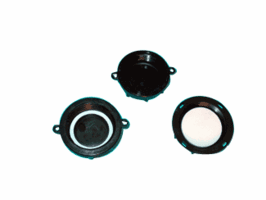
- Material Composition: High Density Polyethylene (HDPE)
- Size/Compatibility: Fits standard IBC ball valves (NPT and Buttress threads)
- Compliance: Chemical-resistant, non-reactive polymer construction
- Closure Type: Threaded caps for valve outlet protection


$17.96
$24.96
(You Save 28%)$1.76
$299.00
(You Save 99%)$19.99
$29.99
(You Save 33%)$19.95
$29.95
(You Save 33%)Product Comparison Chart
Valve Protection Function and Design Ball valve dust caps are engineered to provide a physical barrier over the outlet of IBC tote valves. These components are threaded directly onto the valve discharge port, sealing the opening from external contaminants such as dust, dirt, and moisture. This is critical during transport and long-term storage, where exposed valves can accumulate debris that may interfere with valve operation or contaminate stored contents. The caps are designed for quick installation and removal without requiring tools, allowing for repeated use in operational cycles.
Thread Configurations and Compatibility Dust caps are manufactured with two primary thread types: National Pipe Thread (NPT) and buttress threads. NPT threads are tapered and commonly used in North American piping systems, providing a tight mechanical seal when engaged. Buttress threads, often found on IBC tote valves, feature a flat profile designed for quick engagement and high load-bearing capacity. Selecting the correct thread type is required to ensure proper fitment and sealing performance. Mismatched threads can lead to improper sealing or cross-threading, reducing effectiveness.
Material Engineering and Chemical Resistance High density polyethylene (HDPE) is used for dust cap construction due to its resistance to a wide range of chemicals, including acids, bases, and hydrocarbons. HDPE offers impact resistance and maintains structural integrity across a broad temperature range. The material is non-corrosive and does not react with most industrial fluids, making it suitable for use in chemical processing, agriculture, and water treatment environments. UV-stabilized variants may be used in outdoor applications to reduce degradation from sunlight exposure.
Industrial Applications Ball valve dust caps are utilized across multiple industries where intermediate bulk containers (IBCs) are deployed. In chemical processing, they help prevent contamination of raw materials and finished products. In agriculture, they protect fertilizers, pesticides, and liquid nutrients stored in totes. Water treatment facilities use these caps to maintain cleanliness in potable and non-potable water systems. Manufacturing and logistics operations rely on them to maintain valve condition during shipping and warehousing.
Selection Criteria Key selection factors include thread type (NPT or buttress), valve size compatibility, and material requirements based on chemical exposure. Environmental conditions such as temperature fluctuations and UV exposure should also be considered when selecting HDPE variants. For operations involving frequent handling, durability and ease of installation are important factors. Ensuring proper fitment reduces the risk of contamination and supports consistent valve performance.
| Product Type | Material | Thread Type | Compatible Valve Size | Application |
|---|---|---|---|---|
| Standard Dust Cap | HDPE | NPT | 2" | General Industrial Use |
| IBC Dust Cap | HDPE | Buttress | 2" IBC Valve | IBC Tote Systems |
| Heavy-Duty Dust Cap | Reinforced HDPE | Buttress | 2"–3" | Chemical Handling |
| UV-Stabilized Dust Cap | UV-Resistant HDPE | NPT | 2" | Outdoor Storage |
Valve Protection Function and Design Ball valve dust caps are engineered to provide a physical barrier over the outlet of IBC tote valves. These components are threaded directly onto the valve discharge port, sealing the opening from external contaminants such as dust, dirt, and moisture. This is critical during transport and long-term storage, where exposed valves can accumulate debris that may interfere with valve operation or contaminate stored contents. The caps are designed for quick installation and removal without requiring tools, allowing for repeated use in operational cycles.
Thread Configurations and Compatibility Dust caps are manufactured with two primary thread types: National Pipe Thread (NPT) and buttress threads. NPT threads are tapered and commonly used in North American piping systems, providing a tight mechanical seal when engaged. Buttress threads, often found on IBC tote valves, feature a flat profile designed for quick engagement and high load-bearing capacity. Selecting the correct thread type is required to ensure proper fitment and sealing performance. Mismatched threads can lead to improper sealing or cross-threading, reducing effectiveness.
Material Engineering and Chemical Resistance High density polyethylene (HDPE) is used for dust cap construction due to its resistance to a wide range of chemicals, including acids, bases, and hydrocarbons. HDPE offers impact resistance and maintains structural integrity across a broad temperature range. The material is non-corrosive and does not react with most industrial fluids, making it suitable for use in chemical processing, agriculture, and water treatment environments. UV-stabilized variants may be used in outdoor applications to reduce degradation from sunlight exposure.
Industrial Applications Ball valve dust caps are utilized across multiple industries where intermediate bulk containers (IBCs) are deployed. In chemical processing, they help prevent contamination of raw materials and finished products. In agriculture, they protect fertilizers, pesticides, and liquid nutrients stored in totes. Water treatment facilities use these caps to maintain cleanliness in potable and non-potable water systems. Manufacturing and logistics operations rely on them to maintain valve condition during shipping and warehousing.
Selection Criteria Key selection factors include thread type (NPT or buttress), valve size compatibility, and material requirements based on chemical exposure. Environmental conditions such as temperature fluctuations and UV exposure should also be considered when selecting HDPE variants. For operations involving frequent handling, durability and ease of installation are important factors. Ensuring proper fitment reduces the risk of contamination and supports consistent valve performance.

