


IBC Tote and 70mm Cap Wrenches | Industrial Sockets
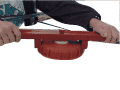
- Material Composition: Heavy-duty Cast Aluminum, Steel, and Chrome Vanadium.
- Size/Capacity Range: 70mm Screwcap Wrenches and 6-inch IBC Fill Port Sockets.
- Compliance/Ratings: Precision Torque-Compatible; Industrial Grade.
- Closure Types: IBC Fill Ports, 70mm Screw Caps, and Valve Actuators.

Featured Products

| Product Name | Material / Construction | Primary Function |
|---|---|---|
| 6" IBC Socket Wrench | Aluminum | IBC Fill Port Engagement (1/2" Slot) |
| 20-150 ft-lb Torque Wrench | Steel / Chrome Finish | Precision Torque Application (1/2" Drive) |
| IBC 6 Inch Cap Wrench & Torque Combo | Mixed Metal | Integrated Sealing and Calibration |
| Adjustable IBC Fill Port Cap Wrench | Industrial Grade Alloy | Variable Size Fill Port Access |
| IBC Valve Wrenches | Steel | 1/2" Square Drive Valve Operation |
| 70mm Screwcap Wrench | Heavy-duty Plastic or Metal | Standard 70mm Cap Tightening |
Technical Tool Configurations Industrial IBC wrenches are divided into two primary categories: manual handle wrenches and socket-driven adapters. Manual wrenches, such as the 70mm screwcap tools, utilize leverage for quick application and removal of standard container lids. In contrast, 6-inch IBC socket wrenches are designed with 1/2" drive slots, allowing them to interface with torque wrenches. This configuration is essential for high-volume industrial environments where closures must be tightened to specific foot-pound requirements to ensure a hermetic seal. Specialized valve wrenches are also available, specifically configured for 1/2" square drives to operate recessed or high-torque valve mechanisms on bulk totes.
Material Durability and Construction The tools in this category are manufactured to withstand high-torque loads and chemical exposure. Cast aluminum is frequently utilized for large 6-inch sockets due to its high strength-to-weight ratio, which reduces operator fatigue while maintaining the structural integrity needed to engage IBC fill ports. For precision components like the 20-150 ft-lb torque wrenches, hardened steel with chrome plating is employed to prevent oxidation and ensure the longevity of the internal spring mechanisms. These materials are selected to prevent sparking in volatile environments and to resist the corrosive effects of chemical residues often found in industrial filling stations.
Regulatory Standards and Torque Compliance Maintaining the integrity of UN-rated IBCs requires strict adherence to closure specifications. UN regulations often dictate specific torque values for fill ports and discharge valves to ensure the container remains leak-proof during transit as per DOT and OSHA safety standards. Using standardized wrenches and calibrated torque tools allows facilities to verify that every container meets these legal requirements. Failure to apply the correct torque can lead to seal failure, resulting in environmental contamination, fines, and safety hazards during the transport of hazardous materials.
Industrial Applications Across Sectors IBC and 70mm cap wrenches are utilized in sectors where bulk liquid handling is standard. In chemical manufacturing, these tools are used to secure hazardous reagents within totes for inter-facility transport. In the food and beverage industry, stainless-compatible tools ensure that fill ports are sealed without introducing contaminants. Agricultural sectors rely on these wrenches for the safe dispensing of pesticides and fertilizers. The use of specialized wrenches prevents the damage to plastic caps and bungs that often occurs when using improvised tools like pipe wrenches or pliers, thereby preserving the reusability of the containers.
Technical Selection Factors Selecting the appropriate wrench requires matching the tool to the specific closure diameter and the required torque specification. Buyers must identify whether they require a 6-inch fill port socket or a 70mm screwcap wrench based on their container inventory. Furthermore, the compatibility with existing drive tools—typically 1/2" square drives—must be verified. Environmental factors also influence selection; for instance, aluminum tools are preferred in settings requiring non-sparking equipment, while adjustable torque wrenches are necessary for operations that must document compliance with manufacturer-specified sealing pressures.

