


Hazmat UN 4G Packaging | DOT Shipping Boxes
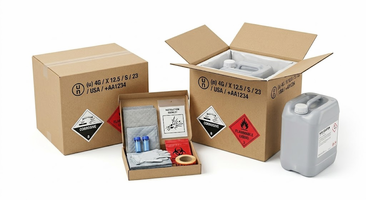

Product Comparison Chart
| Product Type | Container Format | Common Capacity | Packaging Style | Primary Use |
|---|---|---|---|---|
| Hazmat 4G Poison Pax for Liquids | Liquid inner containers | Varies by kit | UN 4G poison pack | Regulated liquid shipment |
| Intermediate Bulk Container | IBC format | Bulk liquid handling | Industrial bulk container | Bulk chemical storage and transport |
| 4G Packaging with Plastic Gallon Paint Cans | Plastic paint cans | 1 gallon | Assembled kit | Compatible liquid or coating shipment |
| 4G Boxes with Foam for Gallon Paint Cans | Paint cans | 1 gallon | Foam-lined shipper | Separated gallon can shipment |
| 4G Boxes with Foam for F-Style Gallon Cans | F-style cans | 1 gallon | Foam-lined shipper | Rectangular metal can shipment |
| 4G Boxes Without Foam for Gallon Paint Cans | Paint cans | 1 gallon | Box-only shipper | Approved non-foam configurations |
| 4G Packaging with Gallon Paint Cans | Metal paint cans | 1 gallon | Assembled kit | Paint, coatings, and compatible liquids |
| 4G Packaging with F-Style Gallon Cans | F-style cans | 1 gallon | Assembled kit | Solvent and industrial liquid shipment |
| 4G Packaging with Quart Paint Cans | Paint cans | Quart | Assembled kit | Small-volume regulated liquid shipment |
| 4G Boxes with Foam for Quart Paint Cans | Paint cans | Quart | Foam-lined shipper | Separated quart can shipment |
| 4G Boxes for 5 Gallon Plastic and Steel Pails | Plastic or steel pails | 5 gallon | Pail shipping box | Outer packaging for pail shipment |
| 4G Kits with 1 Gallon HDPE Bottles | HDPE bottles | 1 gallon | Assembled bottle kit | Compatible chemical liquid shipment |
| 4G Kit with HDPE Quart Cylinder Bottles | HDPE cylinder bottles | Quart | Assembled bottle kit | Sample and small-volume liquid shipment |
| 4G Kit with Nalgene Bottles | Nalgene bottles | Varies by kit | Assembled bottle kit | Laboratory and chemical sample shipment |
| 4G Shipping Boxes with Foam for Pint Paint Cans | Paint cans | Pint | Foam-lined shipper | Small can hazardous material shipment |
| 4G Boxes with Foam for Gallon Plastic Jugs | Plastic jugs | 1 gallon | Foam-lined shipper | Plastic jug liquid shipment |
| 4G Glass Kit - Pax 6-1 Liter Glass Bottles | Glass bottles | Six 1-liter bottles | Glass bottle shipping kit | Glass-compatible chemical shipment |
| Waste Disposal Boxes Labpacker | Lab waste containers | Varies by box | Labpacker disposal box | Hazardous laboratory waste handling |
| Hazardous 4GV Packaging UN Approved Variation | Variable inner containers | Varies by approved use | UN 4GV variation package | Flexible hazardous material packaging |
Configuration Analysis
Hazmat UN 4G packaging is based on a combination packaging format, where an outer fiberboard box is used with one or more inner containers. The listed product group includes assembled kits with cans or bottles already matched to the outer box, as well as box-only configurations intended for use with approved inner containers. Shipping boxes with foam are designed to isolate individual containers, reduce movement, and maintain separation between inner packages during transport. Boxes without foam are used where the required inner container and closure system already meet the tested packaging configuration or where other approved cushioning is supplied.
4G Versus 4GV Packaging
UN 4G packaging refers to a tested fiberboard box system approved for specific inner packaging types, sizes, closures, and gross weights. A 4G package must be used according to the tested configuration. UN 4GV packaging is a variation package that allows more flexibility with different inner containers when the package is assembled with the required absorbent and cushioning materials. 4GV packaging is commonly used where the shipper handles different bottle styles, lab samples, chemical containers, or mixed inner packaging sizes. The product list includes standard 4G systems and hazardous 4GV approved variation packaging.
Material Engineering
The outer packaging is typically constructed from corrugated fiberboard engineered for compression strength, impact resistance, and stacking performance. Foam inserts are used to limit container movement and maintain spacing inside the carton. Inner packaging options include HDPE bottles for compatible liquids, plastic gallon paint cans, metal gallon paint cans, F-style cans, quart paint cans, pint cans, Nalgene bottles, and glass 1-liter bottles. HDPE provides chemical resistance for many water-based and industrial liquids. Metal paint cans are used for coatings, solvents, and compatible regulated liquids. Glass bottle kits require additional separation and cushioning due to breakage risk.
Regulatory Standards
Hazardous material shipping must follow the applicable DOT hazardous materials regulations, including proper classification, packing group limits, labeling, marking, documentation, and closure instructions. UN-rated packaging is tested for performance factors such as drop resistance, stacking strength, leak resistance where applicable, and compatibility with the listed packaging design. The package marking identifies the packaging type, performance level, packing group authorization, gross mass or specific gravity limits, year of manufacture, country code, and manufacturer certification. Carrier approval, including UPS acceptance, depends on the hazardous material class, quantity, service level, paperwork, and correct package assembly.
Industrial Applications
UN 4G hazmat packaging is used by chemical manufacturers, paint and coatings suppliers, laboratories, waste handlers, maintenance departments, and industrial distributors. Paint can packaging supports shipment of coatings, solvents, adhesives, resins, and related materials when compatible with the approved container. HDPE bottle kits are used for liquid chemicals, samples, and compatible industrial fluids. Glass bottle kits are used when product compatibility requires glass rather than plastic. Labpacker and waste disposal boxes are used for hazardous laboratory waste consolidation, sample returns, expired chemical handling, and regulated material disposal programs.
Selection Criteria
Packaging selection should begin with the hazardous material classification, packing group, physical state, and container compatibility. Buyers should confirm the required inner container size, whether foam is needed, whether the kit must ship assembled, and whether 4G or 4GV flexibility is required. Liquids require attention to closure torque, leak control, absorbent requirements, and container compatibility. Pail shipping boxes require confirmation of pail material, diameter, height, closure type, and filled weight. For parcel shipment, the user must also check carrier rules, maximum quantity limits, required labels, and documentation requirements before shipping.

