


Forkliftable Work Platform Tool Locker
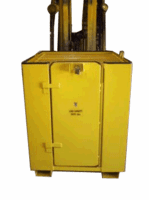
- Materials: Industrial tool locker construction for work platform storage applications.
- Size/Capacity Range: Listed model includes 15 Wt tool locker configuration.
- Compliance/Ratings: Used with forkliftable work platform systems where site safety rules apply.
- Access Type: Tool locker accessory for storing tools, small parts, and work supplies.
- Mounting Use: Designed for integration with compatible forkliftable work platform equipment.

Product Comparison Chart
| Product | Listed Configuration | Primary Use | Access Type | Typical Application |
|---|---|---|---|---|
| Forkliftable Work Platform Tool Locker 15 Wt | 15 Wt tool locker | Storage for tools, small parts, and work supplies | Enclosed locker accessory | Maintenance, repair, inspection, and elevated work platform support |
Configuration Analysis
Forkliftable work platform tool lockers are accessory storage units used with compatible elevated work platforms. Their primary function is to keep tools and small supplies organized while workers perform tasks from a forklift-mounted platform. A tool locker differs from an open tray because it provides enclosed storage for items that should not remain loose on the platform deck. This can include hand tools, fasteners, measuring devices, maintenance supplies, and repair parts. The listed 15 Wt configuration indicates a compact locker style intended for lighter storage needs rather than bulk material handling.
Material Engineering
Tool lockers used in industrial platform applications are typically built for repeated handling, shop-floor use, and exposure to warehouse conditions. Construction should be evaluated for wall thickness, hinge design, door closure, mounting points, and resistance to impact from tools or parts. For forkliftable work platform use, the locker should not interfere with guardrails, entry gates, fork pockets, or operator visibility. Buyers should confirm whether the locker finish is painted, powder-coated, or otherwise treated for corrosion resistance when used in damp, outdoor, or washdown environments.
Regulatory Standards
Forkliftable work platforms are used under workplace safety procedures that may involve OSHA walking-working surface rules, forklift operation rules, fall protection practices, and internal site policies. A tool locker itself is not a substitute for guardrails, harness procedures, platform capacity limits, or forklift operating requirements. When adding a locker to a platform, users should verify that the accessory does not reduce safe working space, create a trip hazard, overload the platform, or block required access points. Any tools stored inside should be secured before moving or raising the platform.
Industrial Applications
Forkliftable work platform tool lockers are used in maintenance departments, warehouses, manufacturing plants, distribution centers, and equipment service areas. Common tasks include changing light fixtures, servicing overhead doors, repairing racking systems, inspecting machinery, accessing HVAC equipment, and performing general facility maintenance. The locker supports these tasks by keeping tools close to the worker and reducing repeated trips up and down from the work area. In inventory and order-picking areas, it may also hold scanners, labels, small hardware, or inspection supplies.
Selection Criteria
Buyers should confirm platform compatibility before selecting a tool locker. Key factors include mounting location, locker dimensions, weight, door swing, access clearance, and the type of items being stored. The locker should fit the platform without crowding the worker or reducing movement space. For heavier tools, confirm that the combined weight of workers, tools, locker, and supplies remains within the rated platform capacity. For outdoor or corrosive locations, finish type and material resistance should be reviewed. For multi-shift use, latch design and access control may also be relevant.

