


Rotary Drum Pumps for Oil, Fuel & Chemical Transfer
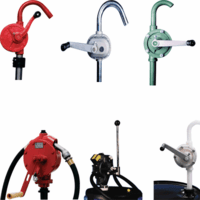
This category includes polypropylene rotary drum pumps for chemical resistance, cast iron and steel pumps for petroleum products, and stainless steel rotary pumps for corrosive liquids. Options include curved spout pumps, hose and nozzle assemblies, and high flow rotary pumps delivering up to 10 gallons per minute.
Rotary drum pumps are commonly used in automotive shops, industrial facilities, farms, and maintenance operations. They fit standard 15 to 55 gallon drums and are easy to install and operate. Whether you need an economical drum pump for occasional use or a high-performance pump for bulk fluid transfer, these rotary pumps offer reliable, controlled dispensing with minimal mess and maintenance.
Viscosity Conversion Chart

$59.95
$69.95
(You Save 14%)$99.95
$119.95
(You Save 17%)$159.95
$179.95
(You Save 11%)$89.99
$99.99
(You Save 10%)$699.95
$849.95
(You Save 18%)$399.98
$480.98
(You Save 17%)$365.95
$435.99
(You Save 16%)$269.98
$318.00
(You Save 15%)$149.95
$169.95
(You Save 12%)
$249.95
$279.95
(You Save 11%)$231.95
$259.95
(You Save 11%)$139.95
$179.95
(You Save 22%)PRODUCT TYPES:
Rotary drum pumps are available in several configurations to match different applications. Common options include curved spout rotary pumps for direct dispensing, hose and nozzle drum pumps for extended reach, and high flow rotary pumps for faster transfer rates. There are also UL-listed rotary pumps for fuel handling and precision models designed for measured output per rotation. These variations allow users to select the right industrial drum pump for oil transfer, fuel dispensing, or chemical handling.
MATERIALS & DURABILITY: Material selection plays a key role in pump performance and lifespan. Polypropylene rotary pumps are ideal for chemical transfer due to their corrosion resistance. Cast iron and steel pumps are commonly used for petroleum-based fluids such as diesel, oil, and lubricants. Stainless steel rotary pumps provide maximum durability and are suited for aggressive or corrosive liquids. Ryton components offer additional strength and chemical compatibility in demanding environments.
INDUSTRY USE CASES: Rotary hand drum pumps are widely used in automotive shops, agriculture, manufacturing, and maintenance facilities. Typical uses include dispensing motor oil, transferring diesel fuel, handling antifreeze, and moving light chemicals. Farms use them for fuel transfer, while industrial plants rely on them for bulk fluid handling. Their manual operation makes them dependable in remote or power-limited environments.
FLOW RATE & PERFORMANCE: One of the main advantages of rotary drum pumps is their consistent flow. Pumps are designed to deliver fluid with each rotation, reducing effort compared to push-style pumps. High flow rotary pumps can deliver up to 10 gallons per minute, making them suitable for larger volume transfers. Selecting the correct flow rate helps improve efficiency and reduces transfer time.
COMPLIANCE & SAFETY: For fuel and hazardous fluid handling, choosing the correct pump is critical. UL-listed rotary pumps meet safety standards for fuel transfer applications. No-drip spouts and hose nozzles help minimize spills and improve workplace safety. Using compatible materials prevents leaks and reduces the risk of contamination.
BUYING CONSIDERATIONS: When selecting a rotary drum pump, consider the type of fluid, required flow rate, drum size, and material compatibility. Hose length, nozzle options, and mounting threads should also match your setup. Bulk drum pump suppliers can help reduce costs for high-volume operations. Choosing the right pump ensures reliable performance, reduces waste, and improves overall efficiency.
Rotary drum pumps use a hand crank for smooth, steady fluid transfer. Good for oil, fuel, and chemicals. Choose based on material, flow rate, and application.
MATERIALS & DURABILITY: Material selection plays a key role in pump performance and lifespan. Polypropylene rotary pumps are ideal for chemical transfer due to their corrosion resistance. Cast iron and steel pumps are commonly used for petroleum-based fluids such as diesel, oil, and lubricants. Stainless steel rotary pumps provide maximum durability and are suited for aggressive or corrosive liquids. Ryton components offer additional strength and chemical compatibility in demanding environments.
INDUSTRY USE CASES: Rotary hand drum pumps are widely used in automotive shops, agriculture, manufacturing, and maintenance facilities. Typical uses include dispensing motor oil, transferring diesel fuel, handling antifreeze, and moving light chemicals. Farms use them for fuel transfer, while industrial plants rely on them for bulk fluid handling. Their manual operation makes them dependable in remote or power-limited environments.
FLOW RATE & PERFORMANCE: One of the main advantages of rotary drum pumps is their consistent flow. Pumps are designed to deliver fluid with each rotation, reducing effort compared to push-style pumps. High flow rotary pumps can deliver up to 10 gallons per minute, making them suitable for larger volume transfers. Selecting the correct flow rate helps improve efficiency and reduces transfer time.
COMPLIANCE & SAFETY: For fuel and hazardous fluid handling, choosing the correct pump is critical. UL-listed rotary pumps meet safety standards for fuel transfer applications. No-drip spouts and hose nozzles help minimize spills and improve workplace safety. Using compatible materials prevents leaks and reduces the risk of contamination.
BUYING CONSIDERATIONS: When selecting a rotary drum pump, consider the type of fluid, required flow rate, drum size, and material compatibility. Hose length, nozzle options, and mounting threads should also match your setup. Bulk drum pump suppliers can help reduce costs for high-volume operations. Choosing the right pump ensures reliable performance, reduces waste, and improves overall efficiency.
Rotary drum pumps use a hand crank for smooth, steady fluid transfer. Good for oil, fuel, and chemicals. Choose based on material, flow rate, and application.

