


Drum & Pail Dumpers | Industrial Drum Handling Equipment
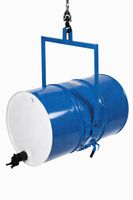
- Materials: Carbon steel and stainless steel equipment configurations
- Drum Sizes: 30-gallon and 55-gallon drums, pails, and specialty containers
- Load Capacities: Models ranging from 500 lb to over 2,000 lb capacity
- Configurations: Manual, forklift-mounted, overhead, motorized, and vertical-lift systems
- Drum Compatibility: Steel, stainless steel, and fiber drums with diameter-adapter options

$109.98
$129.00
(You Save 15%)
$1,449.96
$1,941.00
(You Save 25%)$2,998.98
$3,500.00
(You Save 14%)$1,198.98
$1,400.00
(You Save 14%)$1,169.08
$1,298.98
(You Save 10%)$7,979.98
$9,339.98
(You Save 15%)$5,498.98
$348.98
$339.98
$500.00
(You Save 32%)
Product Comparison Chart
Drum Dumper Configurations Industrial drum dumping equipment is available in several operating configurations. Manual dumpers use handwheels, cranks, or similar mechanical controls to rotate and empty a drum. Forklift-mounted drum dumpers use an existing forklift for lifting and positioning, including drum caddies and Morse Forklift Karrier models. Overhead models are designed for use with lifting equipment such as hoists and provide controlled drum rotation from above. Motorized dumpers use electric or air-powered systems for applications where repeated drum handling is required. Vertical-lift drum pourers provide another configuration for controlled material dispensing, including models equipped with scales for measured handling.
Material Construction and Durability The equipment in this category includes carbon steel and stainless steel constructions. Carbon steel provides the structural strength required for general material-handling applications and is used in drum dumpers, adapters, frames, and handling components. Stainless steel configurations are available for applications where corrosion resistance or material-contact requirements make standard carbon steel less suitable. The category also includes stainless steel diameter adapters and stainless steel drum cone tops. Secure clamping systems, reinforced structural components, protective finishes, and diameter adapters are used across various models to maintain drum stability during lifting and rotation.
Drum Sizes, Capacities, and Compatibility Equipment selection depends heavily on the drum being handled. Products include dumpers for standard 55-gallon steel drums, 55-gallon stainless steel drums, fiber drums, and 30-gallon containers. Diameter adapters expand compatibility with drums outside the standard dimensions, with listed adapters covering multiple diameter ranges. Capacity also varies substantially. Overhead models include 500 lb, 800 lb, and 1,500 lb configurations, while forklift Karrier models include capacities of 1,200 lb, 1,500 lb, and 2,000 lb. Buyers should verify both drum dimensions and loaded drum weight before selecting handling equipment.
Safety and Material Handling Controlled drum handling can reduce the need for workers to manually lift, rotate, or pour heavy containers. Equipment in this category uses mechanisms such as rim clamps, chain restraints, diameter adapters, handwheels, chain wheels, and powered controls to secure and position drums during dumping operations. The source material notes that many drum dumpers are designed around OSHA safety guidelines; however, buyers should verify the specific safety requirements, ratings, and operating instructions for the individual model and application before use. Drum size, contents, lifting method, and facility procedures should all be considered when establishing a drum-handling process.
Industrial Applications Drum and pail dumpers are used in chemical manufacturing, oil and lubricant handling, food processing, pharmaceutical operations, waste management, warehouses, and general manufacturing. Applications include transferring liquids, powders, granules, waste materials, and other bulk contents from drums into processing equipment or receiving containers. Forklift-mounted units can integrate drum dumping with existing forklift operations, while overhead units can be used where fixed lifting equipment is available. Motorized equipment is suited to processes requiring repeated drum rotation, and drum cone tops are available for controlled dumping of dry material from 55-gallon steel and fiber drums.
Selection Criteria Start by identifying the container material, diameter, capacity, loaded weight, and contents. Determine whether the facility will use a forklift, overhead hoist, manual operating system, or powered dumper. Drum compatibility should be checked carefully because equipment designed for steel drums may not be configured for fiber or stainless steel drums without different clamps or adapters. Buyers should also consider required dumping height, frequency of operation, corrosion exposure, available lifting equipment, and whether measured dispensing is required. For nonstandard drums, verify the required diameter adapter before selecting a dumper.
| Product Type | Container / Size | Capacity | Operating Method |
|---|---|---|---|
| Drum Dumper | 55 Gallon Steel Drum | Not specified | Manual / Mechanical |
| Drum Dumper with Hoist | 55 Gallon Steel Drum | 800 lb | Hoist |
| 30 Gallon Drum Caddy | 30 Gallon Drum | Not specified | Forklift |
| 55 Gallon Drum Caddy | 55 Gallon Drum | Not specified | Forklift |
| MORSE Forklift Karrier | Industrial Drums | 1,500 lb | Forklift |
| MORSE Forklift Karrier | Industrial Drums | 2,000 lb | Forklift |
| Overhead Steel or Fiber Drum Dumper | Steel or Fiber Drum | 500 lb | Overhead |
| Overhead 55 Gal Steel Drum Dumper | 55 Gallon Steel Drum | 800 lb | Overhead |
| Overhead 55 Gal Steel Drum Dumper | 55 Gallon Steel Drum | 1,500 lb | Overhead |
| Motorized Drum Dumper | Industrial Drums | Not specified | 115 V Electric |
| Motorized Drum Dumper | Industrial Drums | Not specified | Air Powered |
| Motorized Dumper | Industrial Drums | Up to 2,000 lb | Powered |
| Vertical Lift Drum Pourer | Industrial Drums | Not specified | Vertical Lift / Scale Equipped |
Drum Dumper Configurations Industrial drum dumping equipment is available in several operating configurations. Manual dumpers use handwheels, cranks, or similar mechanical controls to rotate and empty a drum. Forklift-mounted drum dumpers use an existing forklift for lifting and positioning, including drum caddies and Morse Forklift Karrier models. Overhead models are designed for use with lifting equipment such as hoists and provide controlled drum rotation from above. Motorized dumpers use electric or air-powered systems for applications where repeated drum handling is required. Vertical-lift drum pourers provide another configuration for controlled material dispensing, including models equipped with scales for measured handling.
Material Construction and Durability The equipment in this category includes carbon steel and stainless steel constructions. Carbon steel provides the structural strength required for general material-handling applications and is used in drum dumpers, adapters, frames, and handling components. Stainless steel configurations are available for applications where corrosion resistance or material-contact requirements make standard carbon steel less suitable. The category also includes stainless steel diameter adapters and stainless steel drum cone tops. Secure clamping systems, reinforced structural components, protective finishes, and diameter adapters are used across various models to maintain drum stability during lifting and rotation.
Drum Sizes, Capacities, and Compatibility Equipment selection depends heavily on the drum being handled. Products include dumpers for standard 55-gallon steel drums, 55-gallon stainless steel drums, fiber drums, and 30-gallon containers. Diameter adapters expand compatibility with drums outside the standard dimensions, with listed adapters covering multiple diameter ranges. Capacity also varies substantially. Overhead models include 500 lb, 800 lb, and 1,500 lb configurations, while forklift Karrier models include capacities of 1,200 lb, 1,500 lb, and 2,000 lb. Buyers should verify both drum dimensions and loaded drum weight before selecting handling equipment.
Safety and Material Handling Controlled drum handling can reduce the need for workers to manually lift, rotate, or pour heavy containers. Equipment in this category uses mechanisms such as rim clamps, chain restraints, diameter adapters, handwheels, chain wheels, and powered controls to secure and position drums during dumping operations. The source material notes that many drum dumpers are designed around OSHA safety guidelines; however, buyers should verify the specific safety requirements, ratings, and operating instructions for the individual model and application before use. Drum size, contents, lifting method, and facility procedures should all be considered when establishing a drum-handling process.
Industrial Applications Drum and pail dumpers are used in chemical manufacturing, oil and lubricant handling, food processing, pharmaceutical operations, waste management, warehouses, and general manufacturing. Applications include transferring liquids, powders, granules, waste materials, and other bulk contents from drums into processing equipment or receiving containers. Forklift-mounted units can integrate drum dumping with existing forklift operations, while overhead units can be used where fixed lifting equipment is available. Motorized equipment is suited to processes requiring repeated drum rotation, and drum cone tops are available for controlled dumping of dry material from 55-gallon steel and fiber drums.
Selection Criteria Start by identifying the container material, diameter, capacity, loaded weight, and contents. Determine whether the facility will use a forklift, overhead hoist, manual operating system, or powered dumper. Drum compatibility should be checked carefully because equipment designed for steel drums may not be configured for fiber or stainless steel drums without different clamps or adapters. Buyers should also consider required dumping height, frequency of operation, corrosion exposure, available lifting equipment, and whether measured dispensing is required. For nonstandard drums, verify the required diameter adapter before selecting a dumper.

