


Wiz-Kid Electric Drum Deheaders | Drum Openers
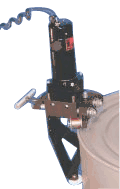
- Material Composition: Self-propelled electric deheading unit with cutting system for steel or fiber drums.
- Size/Capacity Range: Designed for 30-gallon and 55-gallon drums, with steel drum and fiber drum models available.
- Compliance/Ratings: Intended for operators deheading up to 25 drums per week; follow OSHA, DOT, and facility safety procedures.
- Closure Types: Used to remove sealed tops from closed-head steel drums and fiber drums.
- Product Types: Economical electric steel drum deheader and fiber drum Wiz-Kid® electric deheader.

$2,998.98
$3,500.00
(You Save 14%)
Product Comparison Chart
Configuration Analysis
Self-Propelled Electric Deheading Configuration Wiz-Kid economical electric drum deheaders are configured to move around the drum head after the operator adjusts the unit to the drum. Unlike a fully manual deheader, the electric drive reduces the amount of hand force required to complete the cut. The tool makes several self-powered trips around the drum head until the lid breaks free. This design is not intended for high-speed continuous production, but it is faster than a basic manual deheader. The configuration is suited for facilities deheading up to 25 drums per week and needing consistent cuts without installing a stationary drum processing system.
Steel and Fiber Drum Cutting Systems The steel drum model is designed for cutting closed-head steel drums, including common 30-gallon and 55-gallon sizes. The cutting system must maintain contact with the drum head while moving around the circular rim. Steel drum thickness, dents, corrosion, and chime condition can affect cutting resistance and the number of passes required. The fiber drum model is configured for fiber drum construction, which differs from steel in wall structure and lid attachment. Using the correct unit for the drum material is important because steel and fiber drums require different cutting behavior. The resulting hands-safe edge helps reduce sharp-edge exposure during handling.
Workplace Safety and Drum Handling Requirements Drum deheading requires identification of prior contents before cutting. Steel drums that previously contained flammable liquids, solvents, coatings, fuels, or unknown materials may retain vapors after being emptied. Electric equipment should be evaluated carefully before use in areas where flammable vapors may be present. Facilities should follow OSHA workplace safety procedures, DOT hazardous material handling rules, and internal requirements for empty container management. Vapor testing, cleaning, grounding, bonding, ventilation, and area classification may be required depending on the contents and work environment. Unknown drum contents should be treated as a hazard until verified.
Use Across Moderate-Volume Drum Operations Wiz-Kid economical electric drum deheaders are used in manufacturing plants, maintenance departments, recycling operations, chemical handling areas, and material processing facilities. The steel drum version is used when 30-gallon or 55-gallon closed-head drums must be opened for inspection, cleaning, reuse, disposal, or scrap preparation. The fiber drum version is used where dry materials, powders, ingredients, or industrial solids are stored in fiber containers and require lid removal. These tools help convert closed containers into open-access drums for handling or disposal. They are most applicable where drum opening is routine but does not justify higher-capacity deheading equipment.
Technical Factors for Buyers Buyers should evaluate weekly drum volume, drum material, power availability, lid construction, and operating environment before selecting a Wiz-Kid economical electric deheader. The steel drum model is appropriate for 30-gallon and 55-gallon steel drums, while the fiber drum model should be selected for fiber containers. If a facility deheads more than 25 drums per week, a higher-capacity industrial deheader may be more suitable. If drums may contain flammable vapors, the use of electric equipment should be reviewed against facility safety rules and area classification. Operators should also consider training, tool adjustment, edge condition, drum stabilization, and replacement cutting component availability.
| Product | Tool Type | Primary Function | Drum Compatibility | Application |
|---|---|---|---|---|
| Steel Drum Deheader | Economical Electric Drum Deheader | Self Propelled | 30 & 55 Gallon Drums | Self-propelled electric drum deheader | Removes sealed tops from steel drums | 30-gallon and 55-gallon steel drums | Low-to-moderate volume steel drum deheading, disposal preparation, and container conversion |
| Fiber Drum - Drum WIZ-Kid® Economical Electric Drum Deheader | Self-propelled electric fiber drum deheader | Removes lids from fiber drums | Fiber drums | Fiber drum opening for material access, disposal preparation, and industrial handling |
Self-Propelled Electric Deheading Configuration Wiz-Kid economical electric drum deheaders are configured to move around the drum head after the operator adjusts the unit to the drum. Unlike a fully manual deheader, the electric drive reduces the amount of hand force required to complete the cut. The tool makes several self-powered trips around the drum head until the lid breaks free. This design is not intended for high-speed continuous production, but it is faster than a basic manual deheader. The configuration is suited for facilities deheading up to 25 drums per week and needing consistent cuts without installing a stationary drum processing system.
Steel and Fiber Drum Cutting Systems The steel drum model is designed for cutting closed-head steel drums, including common 30-gallon and 55-gallon sizes. The cutting system must maintain contact with the drum head while moving around the circular rim. Steel drum thickness, dents, corrosion, and chime condition can affect cutting resistance and the number of passes required. The fiber drum model is configured for fiber drum construction, which differs from steel in wall structure and lid attachment. Using the correct unit for the drum material is important because steel and fiber drums require different cutting behavior. The resulting hands-safe edge helps reduce sharp-edge exposure during handling.
Workplace Safety and Drum Handling Requirements Drum deheading requires identification of prior contents before cutting. Steel drums that previously contained flammable liquids, solvents, coatings, fuels, or unknown materials may retain vapors after being emptied. Electric equipment should be evaluated carefully before use in areas where flammable vapors may be present. Facilities should follow OSHA workplace safety procedures, DOT hazardous material handling rules, and internal requirements for empty container management. Vapor testing, cleaning, grounding, bonding, ventilation, and area classification may be required depending on the contents and work environment. Unknown drum contents should be treated as a hazard until verified.
Use Across Moderate-Volume Drum Operations Wiz-Kid economical electric drum deheaders are used in manufacturing plants, maintenance departments, recycling operations, chemical handling areas, and material processing facilities. The steel drum version is used when 30-gallon or 55-gallon closed-head drums must be opened for inspection, cleaning, reuse, disposal, or scrap preparation. The fiber drum version is used where dry materials, powders, ingredients, or industrial solids are stored in fiber containers and require lid removal. These tools help convert closed containers into open-access drums for handling or disposal. They are most applicable where drum opening is routine but does not justify higher-capacity deheading equipment.
Technical Factors for Buyers Buyers should evaluate weekly drum volume, drum material, power availability, lid construction, and operating environment before selecting a Wiz-Kid economical electric deheader. The steel drum model is appropriate for 30-gallon and 55-gallon steel drums, while the fiber drum model should be selected for fiber containers. If a facility deheads more than 25 drums per week, a higher-capacity industrial deheader may be more suitable. If drums may contain flammable vapors, the use of electric equipment should be reviewed against facility safety rules and area classification. Operators should also consider training, tool adjustment, edge condition, drum stabilization, and replacement cutting component availability.

