


Non-Sparking Drum Deheaders | Drum Opening Tools
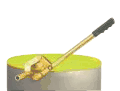
- Material Composition: Non-sparking cutting assembly with replaceable non-sparking blade.
- Size/Capacity Range: Adjustable design for closed-head steel drum opening, including common 30-gallon and 55-gallon drums.
- Compliance/Ratings: Intended for use where flammable vapor risk may be present; follow OSHA, DOT, and facility safety procedures.
- Closure Types: Designed for sealed closed-head drums requiring top removal.
- Product Types: Non-sparking adjustable drum deheader and replacement blade.

$499.98
$748.99
(You Save 33%)
Product Comparison Chart
Configuration Analysis
Adjustable Non-Sparking Cutting Configuration Non-sparking adjustable drum deheaders are designed to remove the sealed top from a closed-head drum by cutting near the upper chime. The adjustable format allows the tool to be positioned for controlled cutting around the drum circumference. This configuration is used when a drum must be opened manually and when standard steel cutting tools may create an ignition hazard. The tool is operated by hand and is suited for low-volume drum opening in areas where the prior drum contents require added safety review. Because this listed deheader is discontinued, buyers should verify tool availability, replacement blade compatibility, and alternate non-sparking options before specifying it for ongoing facility use.
Non-Sparking Blade and Tool Construction The main engineering factor in this category is spark reduction during cutting. Non-sparking cutting components are typically made from non-ferrous alloys that reduce the chance of friction sparks when contacting steel drum surfaces. These materials are used where drums may have contained flammable liquids, solvents, fuels, coatings, or volatile chemicals. The blade must maintain enough hardness to cut the drum top while limiting ignition risk compared with standard hardened steel blades. Blade wear remains a key maintenance issue because dull blades require more force, increase operator strain, and may produce less controlled cuts. Replacement blades should match the deheader model and should be inspected before use.
Vapor Hazard and Workplace Safety Requirements Drum deheading requires identification of the drum’s prior contents before cutting begins. Closed-head drums can retain flammable vapors even after the liquid has been removed. Non-sparking tools are used as part of a broader safety process, not as a substitute for drum cleaning, ventilation, grounding, bonding, or vapor testing where required. Facilities should follow OSHA workplace safety requirements, DOT hazardous material handling rules, and internal procedures for empty container management. If a drum contained regulated material, the handling method may also be affected by waste classification, residual contamination, and disposal requirements. Unknown contents should be treated as a hazard until verified.
Use Across Chemical, Waste, and Maintenance Operations Non-sparking drum deheaders are used in chemical plants, paint and coating facilities, fuel handling areas, maintenance shops, recycling yards, and industrial waste operations. Chemical facilities use them when opening empty or cleaned drums that previously held solvent-based materials. Waste handlers may use them when preparing compatible drums for inspection, rinsing, disposal, or scrap processing. Maintenance departments may use non-sparking deheaders when converting drums into shop containers after contents have been identified and residue has been managed. Recycling facilities may use these tools when drums require top removal before crushing or material separation. The tool is most relevant where manual opening is required and ignition control is part of the work procedure.
Technical Factors for Buyers Buyers should evaluate drum material, drum size, prior contents, cutting frequency, and blade availability before selecting a non-sparking drum deheader. A non-sparking adjustable deheader is suited for low-volume applications where spark reduction is required during manual cutting. If a facility opens many drums per day, powered or dedicated drum processing equipment may be more appropriate, provided it matches the hazard classification of the work area. Replacement blade compatibility is important because discontinued tools may have limited parts availability. Buyers should also review whether the drum has been depressurized, emptied, cleaned, and inspected. Vapor hazard, ventilation, personal protective equipment, and chemical history should guide the final tool selection.
| Product | Tool Type | Primary Function | Component Type | Application |
|---|---|---|---|---|
| Non-Sparking Adjustable Drum Deheader | Hand-operated drum opening tool | Removes the top from closed-head drums while reducing spark risk | Adjustable non-sparking cutter assembly | Drum deheading in chemical, maintenance, recycling, and vapor-sensitive environments |
| Replacement Blade - Non-Sparking Drum Deheader | Replacement part | Replaces worn blade on compatible non-sparking drum deheaders | Non-sparking cutting blade | Maintenance for non-sparking manual drum deheading tools |
Adjustable Non-Sparking Cutting Configuration Non-sparking adjustable drum deheaders are designed to remove the sealed top from a closed-head drum by cutting near the upper chime. The adjustable format allows the tool to be positioned for controlled cutting around the drum circumference. This configuration is used when a drum must be opened manually and when standard steel cutting tools may create an ignition hazard. The tool is operated by hand and is suited for low-volume drum opening in areas where the prior drum contents require added safety review. Because this listed deheader is discontinued, buyers should verify tool availability, replacement blade compatibility, and alternate non-sparking options before specifying it for ongoing facility use.
Non-Sparking Blade and Tool Construction The main engineering factor in this category is spark reduction during cutting. Non-sparking cutting components are typically made from non-ferrous alloys that reduce the chance of friction sparks when contacting steel drum surfaces. These materials are used where drums may have contained flammable liquids, solvents, fuels, coatings, or volatile chemicals. The blade must maintain enough hardness to cut the drum top while limiting ignition risk compared with standard hardened steel blades. Blade wear remains a key maintenance issue because dull blades require more force, increase operator strain, and may produce less controlled cuts. Replacement blades should match the deheader model and should be inspected before use.
Vapor Hazard and Workplace Safety Requirements Drum deheading requires identification of the drum’s prior contents before cutting begins. Closed-head drums can retain flammable vapors even after the liquid has been removed. Non-sparking tools are used as part of a broader safety process, not as a substitute for drum cleaning, ventilation, grounding, bonding, or vapor testing where required. Facilities should follow OSHA workplace safety requirements, DOT hazardous material handling rules, and internal procedures for empty container management. If a drum contained regulated material, the handling method may also be affected by waste classification, residual contamination, and disposal requirements. Unknown contents should be treated as a hazard until verified.
Use Across Chemical, Waste, and Maintenance Operations Non-sparking drum deheaders are used in chemical plants, paint and coating facilities, fuel handling areas, maintenance shops, recycling yards, and industrial waste operations. Chemical facilities use them when opening empty or cleaned drums that previously held solvent-based materials. Waste handlers may use them when preparing compatible drums for inspection, rinsing, disposal, or scrap processing. Maintenance departments may use non-sparking deheaders when converting drums into shop containers after contents have been identified and residue has been managed. Recycling facilities may use these tools when drums require top removal before crushing or material separation. The tool is most relevant where manual opening is required and ignition control is part of the work procedure.
Technical Factors for Buyers Buyers should evaluate drum material, drum size, prior contents, cutting frequency, and blade availability before selecting a non-sparking drum deheader. A non-sparking adjustable deheader is suited for low-volume applications where spark reduction is required during manual cutting. If a facility opens many drums per day, powered or dedicated drum processing equipment may be more appropriate, provided it matches the hazard classification of the work area. Replacement blade compatibility is important because discontinued tools may have limited parts availability. Buyers should also review whether the drum has been depressurized, emptied, cleaned, and inspected. Vapor hazard, ventilation, personal protective equipment, and chemical history should guide the final tool selection.

