


Gallon Paint Can Liners | Disposable Liners
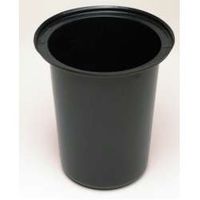
- Material Composition: Disposable liner material designed for paint, coatings, stains, adhesives, and liquid materials.
- Size/Capacity Range: Designed to fit standard one-gallon paint cans.
- Compliance/Ratings: Used for cleanup reduction, container protection, and frequent color-change applications.
- Closure Types: Drop-in liner configuration for open-top gallon paint cans.
- Product Types: One-gallon disposable paint can liners in 10-pack quantities.

$29.98
$35.27
(You Save 15%)
Product Comparison Chart
Disposable One-Gallon Paint Can Liner Configuration Gallon paint can liners are configured as drop-in inserts for standard one-gallon paint cans. The liner sits inside the can and creates a removable barrier between the container wall and the paint or coating material. This configuration is used when the same can may be reused for multiple colors, coatings, or batches. After use, the liner can be removed instead of cleaning the can interior. This helps reduce downtime between color changes and supports repeated use in painting, maintenance, and small-batch finishing operations. The one-gallon format is commonly used where material volumes are smaller than pail or drum applications.
Disposable Liner Construction and Coating Contact Paint can liners must hold their shape inside the can while resisting contact with wet paint, stain, coating, adhesive, or other compatible liquid material. The liner material should provide enough flexibility for insertion and removal while limiting tearing during use. Paint viscosity, solvent content, pigment load, adhesive tack, and application time can affect liner performance. Thicker or more aggressive coatings may place more stress on the liner during mixing or scraping. The liner should also fit the can closely enough to reduce shifting while material is being brushed, poured, or stirred. Compatibility should be checked for solvent-based or specialty coatings.
Paint Handling and Disposal Requirements Paint can liner use should follow facility procedures for coating handling, residue control, and disposal. If liners contact latex paint, oil-based paint, solvents, stains, adhesives, or industrial coatings, disposal requirements may vary based on the material remaining in the liner. Solvent-based coatings may require additional handling controls due to vapor and flammability concerns. OSHA workplace requirements may apply in industrial painting areas, including ventilation, PPE, hazard communication, and flammable liquid handling. Used liners should be managed according to the paint or coating safety data sheet and local waste procedures. Food-contact use should not be assumed unless specifically rated.
Use Across Painting, Maintenance, and Finishing Operations Gallon paint can liners are used by contractors, painters, maintenance departments, finishing shops, and manufacturing operations. Painting contractors use liners to reduce cleanup between colors and keep paint cans available for repeated use. Maintenance teams use liners for touch-up painting, small repairs, staining, coating, and adhesive handling. Manufacturing operations may use liners in finishing departments where small-batch coatings are mixed or applied. Woodworking, metal finishing, facility repair, and industrial coating areas may also use liners to reduce residue buildup. These liners are most useful where small amounts of liquid material are handled frequently.
Technical Factors for Buyers Buyers should first confirm that the liner fits standard one-gallon paint cans used in the operation. The next factor is material compatibility with the paint, stain, coating, adhesive, or liquid being handled. Water-based materials may have different liner requirements than solvent-based coatings or aggressive adhesives. Buyers should also review whether the liner will be used for mixing, brushing, pouring, short-term storage, or disposal. The 10-pack format is suited for lower-volume use, jobsite work, maintenance departments, and small-batch finishing. Disposal method, coating residue, solvent exposure, can reuse frequency, and cleanup time should guide final selection.
| Product | Container Size | Liner Type | Pack Quantity | Application |
|---|---|---|---|---|
| Gallon Paint Can Liner 10 Pack | One-gallon paint can | Disposable paint can liner | 10 pack | Paint, stain, coating, adhesive, and liquid material handling with reduced cleanup |
Disposable One-Gallon Paint Can Liner Configuration Gallon paint can liners are configured as drop-in inserts for standard one-gallon paint cans. The liner sits inside the can and creates a removable barrier between the container wall and the paint or coating material. This configuration is used when the same can may be reused for multiple colors, coatings, or batches. After use, the liner can be removed instead of cleaning the can interior. This helps reduce downtime between color changes and supports repeated use in painting, maintenance, and small-batch finishing operations. The one-gallon format is commonly used where material volumes are smaller than pail or drum applications.
Disposable Liner Construction and Coating Contact Paint can liners must hold their shape inside the can while resisting contact with wet paint, stain, coating, adhesive, or other compatible liquid material. The liner material should provide enough flexibility for insertion and removal while limiting tearing during use. Paint viscosity, solvent content, pigment load, adhesive tack, and application time can affect liner performance. Thicker or more aggressive coatings may place more stress on the liner during mixing or scraping. The liner should also fit the can closely enough to reduce shifting while material is being brushed, poured, or stirred. Compatibility should be checked for solvent-based or specialty coatings.
Paint Handling and Disposal Requirements Paint can liner use should follow facility procedures for coating handling, residue control, and disposal. If liners contact latex paint, oil-based paint, solvents, stains, adhesives, or industrial coatings, disposal requirements may vary based on the material remaining in the liner. Solvent-based coatings may require additional handling controls due to vapor and flammability concerns. OSHA workplace requirements may apply in industrial painting areas, including ventilation, PPE, hazard communication, and flammable liquid handling. Used liners should be managed according to the paint or coating safety data sheet and local waste procedures. Food-contact use should not be assumed unless specifically rated.
Use Across Painting, Maintenance, and Finishing Operations Gallon paint can liners are used by contractors, painters, maintenance departments, finishing shops, and manufacturing operations. Painting contractors use liners to reduce cleanup between colors and keep paint cans available for repeated use. Maintenance teams use liners for touch-up painting, small repairs, staining, coating, and adhesive handling. Manufacturing operations may use liners in finishing departments where small-batch coatings are mixed or applied. Woodworking, metal finishing, facility repair, and industrial coating areas may also use liners to reduce residue buildup. These liners are most useful where small amounts of liquid material are handled frequently.
Technical Factors for Buyers Buyers should first confirm that the liner fits standard one-gallon paint cans used in the operation. The next factor is material compatibility with the paint, stain, coating, adhesive, or liquid being handled. Water-based materials may have different liner requirements than solvent-based coatings or aggressive adhesives. Buyers should also review whether the liner will be used for mixing, brushing, pouring, short-term storage, or disposal. The 10-pack format is suited for lower-volume use, jobsite work, maintenance departments, and small-batch finishing. Disposal method, coating residue, solvent exposure, can reuse frequency, and cleanup time should guide final selection.

