


Economical Trash Liners | Drum & Can Liners
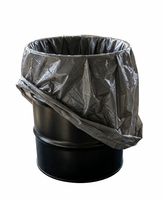
- Material Composition: Flexible plastic trash liner materials for light-duty, medium-duty, premium XX, and Steel Tuff waste handling.
- Size/Capacity Range: Available for 7–10 gallon, 15 gallon, 20–30 gallon, 33 gallon, 40–45 gallon, 55 gallon, and 55–60 gallon containers.
- Compliance/Ratings: Designed for non-hazardous waste collection, janitorial use, warehouse cleanup, and industrial container lining.
- Closure Types: Open-top bag liner configuration for trash cans, drums, and bulk waste containers.
- Product Types: Economical trash liners, premium XX liners, Steel Tuff liners, drum liners, and can liners in bulk packs.

$81.95
$99.95
(You Save 18%)Product Comparison Chart
Can, Drum, and Bulk Trash Liner Configurations Economical trash liners are configured by container capacity, liner strength, and pack quantity. Small 7–10 gallon liners are used in offices, restrooms, deskside containers, and light-duty areas. Medium 20–30 gallon and 33 gallon liners are used in janitorial carts, commercial trash cans, and facility waste stations. Larger 40–45 gallon, 55 gallon, and 55–60 gallon liners are used in drums, shop cans, warehouse containers, and industrial waste collection points. Premium XX and Steel Tuff versions are used when waste weight, handling stress, or puncture risk is higher than standard economical liner applications.
Liner Thickness, Strength, and Waste Compatibility Trash liner performance depends on film thickness, resin structure, bag size, waste weight, and puncture exposure. Thin economical liners such as .35 mil and .40 mil options are used for light to medium non-hazardous waste, including paper, packaging film, restroom waste, and general office debris. Premium XX liners are used where additional strength is needed for commercial waste collection. Steel Tuff liners are used where heavier debris or sharper contents may increase puncture risk. Liner selection should account for container rim size, fill weight, lifting method, waste moisture, and whether bags will be pulled from drums or wheeled containers.
Waste Handling and Facility Requirements Economical trash liners are intended for non-hazardous waste collection unless the facility has confirmed compatibility with specific materials and disposal rules. General janitorial, warehouse, and office waste can usually be handled with standard can liners, while chemical residue, solvent-contaminated materials, regulated waste, food waste, or sharp debris may require a different liner specification and disposal process. OSHA housekeeping standards may apply where overflowing containers, leaking bags, or loose waste create slip, exposure, or handling hazards. Facilities should review internal waste classification, local disposal rules, and safety data sheets when liners are used near chemicals, coatings, oils, or production waste.
Use Across Warehousing, Manufacturing, Janitorial, and Maintenance Operations Economical trash liners are used in warehouses, offices, manufacturing plants, schools, maintenance shops, food service areas, and janitorial departments. Warehouses use large liners for packaging waste, pallet wrap, labels, cartons, and general cleanup. Manufacturing facilities use drum and can liners for non-hazardous production waste, floor debris, and maintenance cleanup. Office and commercial buildings use smaller liners in deskside containers, restrooms, breakrooms, and common areas. Janitorial services use bulk packs to support repeated daily replacement across multiple locations. Maintenance teams use larger drum liners for shop cleanup, absorbent disposal, and general facility waste collection.
Technical Factors for Buyers Buyers should first match liner capacity to the container size, including 7–10 gallon, 15 gallon, 20–30 gallon, 33 gallon, 40–45 gallon, 55 gallon, and 55–60 gallon options. The next factor is waste type. Lightweight paper and general office debris can use thinner economical liners, while heavier shop waste may require Premium XX or Steel Tuff liners. Thickness, pack quantity, lift weight, and puncture risk should be reviewed before ordering. Buyers should also consider wet waste, sharp packaging debris, drum height, container rim diameter, bag removal method, replacement frequency, and whether waste is non-hazardous or requires controlled disposal.
| Product | Capacity | Liner Type | Thickness / Pack | Application |
|---|---|---|---|---|
| 7-10 Gallon, .35 mil - Economical Trash Liners 1000 Pack | 7–10 gallon | Economical trash liner | .35 mil / 1000 pack | Small trash cans, offices, restrooms, and light-duty waste collection |
| 20-30 Gallon, .40 mil - Economical Trash Liners 250 Pack | 20–30 gallon | Economical trash liner | .40 mil / 250 pack | Medium-size containers for janitorial, warehouse, and facility cleanup |
| Economical Trash Liners 20-30 Gallon Capacity 250 Pack | 20–30 gallon | Economical trash liner | 250 pack | General waste collection in commercial and industrial containers |
| Economical Trash Liners 33 Gallon Capacity 250 Pack | 33 gallon | Economical trash liner | 250 pack | Office, warehouse, janitorial, and maintenance waste handling |
| Economical 33 Gallon Trash Liners 250 Pack | 33 gallon | Economical trash liner | 250 pack | Commercial waste containers and general non-hazardous debris |
| Economical Trash Liners 40-45 Gallon Capacity 250 Pack | 40–45 gallon | Economical trash liner | 250 pack | Larger trash cans, shop waste, packaging debris, and facility cleanup |
| Economical Trash Liners 40-45 Gal 125 Pack | 40–45 gallon | Economical trash liner | 125 pack | Lower-count bulk use for larger waste containers |
| Economical Trash Liners 55 Gallon Capacity 200 Pack | 55 gallon | Economical drum liner | 200 pack | 55-gallon drums, large trash cans, and industrial waste collection |
| Premium XX Liners - Trash Liners 15 Gallon Capacity 400 Pack | 15 gallon | Premium XX liner | 400 pack | Small-to-medium container lining where added liner strength is required |
| Premium XX Liners - Trash Liners 20–30 Gallon Capacity 100 Pack | 20–30 gallon | Premium XX liner | 100 pack | Medium-duty waste handling and commercial trash collection |
| Premium XX Liners - Economical Trash Liners 33 Gallon 100 Pack | 33 gallon | Premium XX liner | 100 pack | 33-gallon containers used for heavier general waste |
| Premium XX Liners - Economical Trash Liners 40–45 Gallon, 100 Pack | 40–45 gallon | Premium XX liner | 100 pack | Large-container lining for shop, warehouse, and janitorial waste |
| Premium XX Liners - Economical Trash Liners 55–60 Gallon Capacity 100 Pack | 55–60 gallon | Premium XX liner | 100 pack | Large drum and can lining for industrial and facility waste handling |
| Steel Tuff Liners - Economical Trash Liners 40 – 45 Gallon Capacity 50 Pack | 40–45 gallon | Steel Tuff liner | 50 pack | Heavy-duty waste handling where added puncture resistance is required |
| Steel Tuff Liners - Economical Trash Liners 55 - 60 Gallon Capacity 50 Pack | 55–60 gallon | Steel Tuff liner | 50 pack | Large-container lining for heavier non-hazardous debris |
| Steel Tuff Liners - Economical Trash Liners 55 Gallon Capacity 50 Pack | 55 gallon | Steel Tuff liner | 50 pack | 55-gallon drum lining for industrial waste, shop debris, and maintenance cleanup |
Can, Drum, and Bulk Trash Liner Configurations Economical trash liners are configured by container capacity, liner strength, and pack quantity. Small 7–10 gallon liners are used in offices, restrooms, deskside containers, and light-duty areas. Medium 20–30 gallon and 33 gallon liners are used in janitorial carts, commercial trash cans, and facility waste stations. Larger 40–45 gallon, 55 gallon, and 55–60 gallon liners are used in drums, shop cans, warehouse containers, and industrial waste collection points. Premium XX and Steel Tuff versions are used when waste weight, handling stress, or puncture risk is higher than standard economical liner applications.
Liner Thickness, Strength, and Waste Compatibility Trash liner performance depends on film thickness, resin structure, bag size, waste weight, and puncture exposure. Thin economical liners such as .35 mil and .40 mil options are used for light to medium non-hazardous waste, including paper, packaging film, restroom waste, and general office debris. Premium XX liners are used where additional strength is needed for commercial waste collection. Steel Tuff liners are used where heavier debris or sharper contents may increase puncture risk. Liner selection should account for container rim size, fill weight, lifting method, waste moisture, and whether bags will be pulled from drums or wheeled containers.
Waste Handling and Facility Requirements Economical trash liners are intended for non-hazardous waste collection unless the facility has confirmed compatibility with specific materials and disposal rules. General janitorial, warehouse, and office waste can usually be handled with standard can liners, while chemical residue, solvent-contaminated materials, regulated waste, food waste, or sharp debris may require a different liner specification and disposal process. OSHA housekeeping standards may apply where overflowing containers, leaking bags, or loose waste create slip, exposure, or handling hazards. Facilities should review internal waste classification, local disposal rules, and safety data sheets when liners are used near chemicals, coatings, oils, or production waste.
Use Across Warehousing, Manufacturing, Janitorial, and Maintenance Operations Economical trash liners are used in warehouses, offices, manufacturing plants, schools, maintenance shops, food service areas, and janitorial departments. Warehouses use large liners for packaging waste, pallet wrap, labels, cartons, and general cleanup. Manufacturing facilities use drum and can liners for non-hazardous production waste, floor debris, and maintenance cleanup. Office and commercial buildings use smaller liners in deskside containers, restrooms, breakrooms, and common areas. Janitorial services use bulk packs to support repeated daily replacement across multiple locations. Maintenance teams use larger drum liners for shop cleanup, absorbent disposal, and general facility waste collection.
Technical Factors for Buyers Buyers should first match liner capacity to the container size, including 7–10 gallon, 15 gallon, 20–30 gallon, 33 gallon, 40–45 gallon, 55 gallon, and 55–60 gallon options. The next factor is waste type. Lightweight paper and general office debris can use thinner economical liners, while heavier shop waste may require Premium XX or Steel Tuff liners. Thickness, pack quantity, lift weight, and puncture risk should be reviewed before ordering. Buyers should also consider wet waste, sharp packaging debris, drum height, container rim diameter, bag removal method, replacement frequency, and whether waste is non-hazardous or requires controlled disposal.

