


Containment Basins & Spill Collection Systems
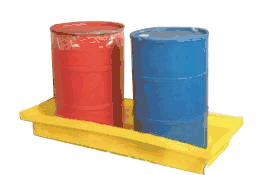
- Materials: Polyethylene, PVC, Chemical-Resistant Copolymers, Reinforced Fabrics
- Capacities: Small Spill Trays to Large Storage Tank Secondary Containment Systems
- Compliance: EPA SPCC, OSHA Spill Containment, Hazardous Waste Handling Applications
- Configurations: Portable Spill Basins, Fixed Containment Berms, Spill Trays, Waste Collection Units
- Applications: Drum Storage, Tank Farms, Chemical Handling, Hazmat Collection, Leak Control

Comparison Chart
Containment Basin Configurations
Containment basins are manufactured in multiple configurations to address different spill control requirements. Spill trays are low-profile units designed to capture drips and small leaks beneath drums, pumps, valves, machinery, and dispensing stations. These trays are commonly used in maintenance shops, chemical storage areas, and fluid transfer stations where localized containment is required.
Portable spill collectors and flexible spill containers are designed for temporary containment during maintenance operations, emergency response, and field repairs. Recoverall™ spill containers and movable waste collection systems are commonly used for contaminated absorbents, leaking components, and hazardous waste accumulation. Large storage tank secondary containment systems are engineered to contain catastrophic tank failures and often include reinforced sidewalls and high-capacity sump areas for liquid retention.
Material Engineering and Chemical Resistance
Most containment basins are manufactured from high-density polyethylene (HDPE), linear low-density polyethylene (LLDPE), reinforced PVC, or chemical-resistant copolymers. Polyethylene systems provide resistance to oils, fuels, acids, solvents, and corrosive chemicals commonly handled in industrial facilities. Rotationally molded polyethylene basins feature seamless construction that minimizes leak points and improves structural integrity during long-term chemical exposure.
Flexible containment units utilize reinforced fabric materials with internal support structures to maintain shape during liquid collection. Some systems incorporate foam sidewalls or collapsible frames to simplify deployment and storage. UV inhibitors are often added to outdoor containment systems to reduce material degradation caused by sunlight exposure and weather conditions.
Regulatory Standards and Spill Compliance
Secondary containment systems are commonly implemented to support EPA Spill Prevention, Control, and Countermeasure (SPCC) requirements for facilities storing petroleum products and hazardous materials. OSHA spill control practices also require facilities to manage leaks and hazardous waste accumulation areas safely. Containment basins are selected based on required retention capacity, chemical compatibility, and environmental exposure conditions.
Tank containment systems are frequently sized to contain at least 110% of the volume of the largest storage tank within the containment area. Hazardous waste collection containers may also require compatibility with DOT transportation regulations when used for off-site disposal or transport of contaminated materials.
Industrial Applications and Spill Control Uses
Containment basins are used across chemical processing, manufacturing, transportation, energy production, utilities, and environmental remediation industries. Spill trays are commonly placed under pumps, valves, generators, hydraulic systems, and transfer equipment to collect routine drips and prevent floor contamination. Storage tank secondary containment systems are utilized in fuel storage terminals, wastewater treatment facilities, and industrial chemical storage yards. Hazmat waste collection units are frequently deployed during spill response operations involving absorbents, contaminated debris, and leaking containers. Portable spill collectors are also used during railcar loading, tanker operations, and equipment maintenance procedures where temporary fluid capture is necessary.
Selection Criteria for Containment Systems
Selecting a containment basin requires evaluation of chemical compatibility, containment volume, load capacity, and deployment environment. Facilities handling aggressive acids or solvents must verify material resistance to prevent degradation of containment components. Outdoor installations may require UV-resistant materials, freeze resistance, and rainwater management considerations.
Portable containment systems are selected based on setup speed, storage footprint, and transport requirements. Spill trays and low-profile basins should match the footprint of the equipment being protected while maintaining adequate freeboard capacity for leaks and overflow conditions. Facilities managing hazardous waste streams must also evaluate local environmental regulations, disposal procedures, and spill response planning requirements.
| Product Type | Primary Material | Containment Use | Typical Application | Mobility |
|---|---|---|---|---|
| Ultra Spill Collector | Polyethylene / Flexible Polymer | Leak and Drip Capture | Machinery and Equipment Protection | Portable |
| Storage Tank Secondary Containment | Reinforced Polyethylene / PVC | Large Volume Spill Retention | Tank Farms and Chemical Storage | Fixed Installation |
| Spill Trays | HDPE | Small Spill Containment | Drums, Pumps, Dispensing Areas | Portable |
| Recoverall™ Spill Containers | Flexible Reinforced Fabric | Emergency Spill Collection | Hazmat and Spill Response | Portable |
| Hazmat Movable Waste Collection | Chemical-Resistant Polyethylene | Hazardous Waste Handling | Contaminated Material Storage | Mobile |
Containment Basin Configurations
Containment basins are manufactured in multiple configurations to address different spill control requirements. Spill trays are low-profile units designed to capture drips and small leaks beneath drums, pumps, valves, machinery, and dispensing stations. These trays are commonly used in maintenance shops, chemical storage areas, and fluid transfer stations where localized containment is required.
Portable spill collectors and flexible spill containers are designed for temporary containment during maintenance operations, emergency response, and field repairs. Recoverall™ spill containers and movable waste collection systems are commonly used for contaminated absorbents, leaking components, and hazardous waste accumulation. Large storage tank secondary containment systems are engineered to contain catastrophic tank failures and often include reinforced sidewalls and high-capacity sump areas for liquid retention.
Material Engineering and Chemical Resistance
Most containment basins are manufactured from high-density polyethylene (HDPE), linear low-density polyethylene (LLDPE), reinforced PVC, or chemical-resistant copolymers. Polyethylene systems provide resistance to oils, fuels, acids, solvents, and corrosive chemicals commonly handled in industrial facilities. Rotationally molded polyethylene basins feature seamless construction that minimizes leak points and improves structural integrity during long-term chemical exposure.
Flexible containment units utilize reinforced fabric materials with internal support structures to maintain shape during liquid collection. Some systems incorporate foam sidewalls or collapsible frames to simplify deployment and storage. UV inhibitors are often added to outdoor containment systems to reduce material degradation caused by sunlight exposure and weather conditions.
Regulatory Standards and Spill Compliance
Secondary containment systems are commonly implemented to support EPA Spill Prevention, Control, and Countermeasure (SPCC) requirements for facilities storing petroleum products and hazardous materials. OSHA spill control practices also require facilities to manage leaks and hazardous waste accumulation areas safely. Containment basins are selected based on required retention capacity, chemical compatibility, and environmental exposure conditions.
Tank containment systems are frequently sized to contain at least 110% of the volume of the largest storage tank within the containment area. Hazardous waste collection containers may also require compatibility with DOT transportation regulations when used for off-site disposal or transport of contaminated materials.
Industrial Applications and Spill Control Uses
Containment basins are used across chemical processing, manufacturing, transportation, energy production, utilities, and environmental remediation industries. Spill trays are commonly placed under pumps, valves, generators, hydraulic systems, and transfer equipment to collect routine drips and prevent floor contamination. Storage tank secondary containment systems are utilized in fuel storage terminals, wastewater treatment facilities, and industrial chemical storage yards. Hazmat waste collection units are frequently deployed during spill response operations involving absorbents, contaminated debris, and leaking containers. Portable spill collectors are also used during railcar loading, tanker operations, and equipment maintenance procedures where temporary fluid capture is necessary.
Selection Criteria for Containment Systems
Selecting a containment basin requires evaluation of chemical compatibility, containment volume, load capacity, and deployment environment. Facilities handling aggressive acids or solvents must verify material resistance to prevent degradation of containment components. Outdoor installations may require UV-resistant materials, freeze resistance, and rainwater management considerations.
Portable containment systems are selected based on setup speed, storage footprint, and transport requirements. Spill trays and low-profile basins should match the footprint of the equipment being protected while maintaining adequate freeboard capacity for leaks and overflow conditions. Facilities managing hazardous waste streams must also evaluate local environmental regulations, disposal procedures, and spill response planning requirements.

