


4-Inch, 6-Inch & 8-Inch Post Sleeves | Protective Post Covers
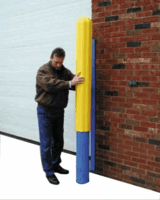
- Material: Durable Polyethylene (HDPE) Construction
- Available Sizes: 4-Inch, 6-Inch, and 8-Inch Post Sleeves
- Applications: Wood Fence Posts, Deck Posts, Sign Posts, and Structural Posts
- Installation: Slides Over Existing Posts for Ground-Level Protection

Product Comparison Chart
Configuration Analysis
Post sleeves are manufactured to fit common nominal post sizes and are installed by sliding the sleeve over the lower section of a wood post before placement into the ground or concrete footing. The sleeve creates a physical barrier that isolates the wood from direct soil contact, particularly around the ground line where moisture exposure is typically highest. Available 4-inch, 6-inch, and 8-inch models accommodate a range of fence posts, deck supports, gate posts, sign posts, and structural members. Selecting the appropriate sleeve diameter depends on the actual outside dimensions of the installed post rather than the nominal lumber size.
Material Engineering
These post sleeves are manufactured from High-Density Polyethylene (HDPE), a thermoplastic material recognized for its resistance to moisture, many chemicals, and biological degradation. HDPE does not absorb water like untreated wood and provides a durable protective layer around the buried section of the post. The material maintains dimensional stability under varying environmental conditions and resists cracking associated with prolonged outdoor exposure. The smooth surface also reduces prolonged moisture retention against the wood substrate.
Ground-Level Protection
The highest rate of wood post deterioration typically occurs near the ground line where alternating wet and dry conditions accelerate decay. Installing a protective sleeve helps reduce direct exposure to soil moisture while limiting contact with microorganisms that contribute to wood decomposition. When combined with properly pressure-treated lumber and appropriate drainage practices, post sleeves provide an additional protective barrier that can be incorporated into long-term post installation strategies across residential and commercial projects.
Industrial and Residential Applications
Post sleeves are utilized in numerous installation environments including residential fencing, agricultural enclosures, commercial property barriers, deck construction, mailbox supports, sign installations, landscaping projects, utility structures, and park facilities. Agricultural operations commonly use sleeves for livestock fencing where posts remain exposed to changing soil conditions. Commercial facilities may utilize protective sleeves for perimeter fencing, bollard-style wood posts, and signage installations where reducing ground-level deterioration is a maintenance consideration.
Selection Criteria
Selecting the correct post sleeve requires verifying the actual dimensions of the wood post, installation method, and surrounding environmental conditions. Installers should determine whether the post will be embedded directly into soil or set within concrete footings, as installation procedures may vary accordingly. Additional considerations include soil drainage characteristics, groundwater levels, frost conditions, and local building requirements. Proper installation alongside pressure-treated lumber and suitable drainage practices contributes to the overall performance of the completed post assembly.
| Product | Compatible Post Size | Material | Primary Application | Installation Method |
|---|---|---|---|---|
| 4 Inch Post Sleeve | 4-Inch Posts | HDPE (High-Density Polyethylene) | Fence Posts, Mailbox Posts, Small Structural Posts | Slides Over Post Prior to Installation |
| 6 Inch Post Sleeve | 6-Inch Posts | HDPE (High-Density Polyethylene) | Deck Posts, Gate Posts, Fence Supports | Slides Over Post Prior to Installation |
| 8 Inch Post Sleeve | 8-Inch Posts | HDPE (High-Density Polyethylene) | Large Structural Posts, Sign Posts, Heavy-Duty Applications | Slides Over Post Prior to Installation |
Configuration Analysis
Post sleeves are manufactured to fit common nominal post sizes and are installed by sliding the sleeve over the lower section of a wood post before placement into the ground or concrete footing. The sleeve creates a physical barrier that isolates the wood from direct soil contact, particularly around the ground line where moisture exposure is typically highest. Available 4-inch, 6-inch, and 8-inch models accommodate a range of fence posts, deck supports, gate posts, sign posts, and structural members. Selecting the appropriate sleeve diameter depends on the actual outside dimensions of the installed post rather than the nominal lumber size.
Material Engineering
These post sleeves are manufactured from High-Density Polyethylene (HDPE), a thermoplastic material recognized for its resistance to moisture, many chemicals, and biological degradation. HDPE does not absorb water like untreated wood and provides a durable protective layer around the buried section of the post. The material maintains dimensional stability under varying environmental conditions and resists cracking associated with prolonged outdoor exposure. The smooth surface also reduces prolonged moisture retention against the wood substrate.
Ground-Level Protection
The highest rate of wood post deterioration typically occurs near the ground line where alternating wet and dry conditions accelerate decay. Installing a protective sleeve helps reduce direct exposure to soil moisture while limiting contact with microorganisms that contribute to wood decomposition. When combined with properly pressure-treated lumber and appropriate drainage practices, post sleeves provide an additional protective barrier that can be incorporated into long-term post installation strategies across residential and commercial projects.
Industrial and Residential Applications
Post sleeves are utilized in numerous installation environments including residential fencing, agricultural enclosures, commercial property barriers, deck construction, mailbox supports, sign installations, landscaping projects, utility structures, and park facilities. Agricultural operations commonly use sleeves for livestock fencing where posts remain exposed to changing soil conditions. Commercial facilities may utilize protective sleeves for perimeter fencing, bollard-style wood posts, and signage installations where reducing ground-level deterioration is a maintenance consideration.
Selection Criteria
Selecting the correct post sleeve requires verifying the actual dimensions of the wood post, installation method, and surrounding environmental conditions. Installers should determine whether the post will be embedded directly into soil or set within concrete footings, as installation procedures may vary accordingly. Additional considerations include soil drainage characteristics, groundwater levels, frost conditions, and local building requirements. Proper installation alongside pressure-treated lumber and suitable drainage practices contributes to the overall performance of the completed post assembly.

