


Pail & Bucket Lids
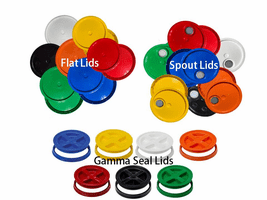
- Material Composition: High-Density Polyethylene (HDPE), Polyethylene, and Polypropylene.
- Size/Capacity Range: Compatible with 2-Gallon, 3.5-Gallon, 5-Gallon, and 6-Gallon containers.
- Compliance/Ratings: UN-Rated options for hazardous materials; Food-Grade/BPA-free materials.
- Closure Types: Gamma Seal, Rieke FlexSpout, Plain Top, and Resealable Poly-Plug.

Featured Products

| Product Name | Material/Color | Key Features | Compatibility |
|---|---|---|---|
| New 5 Gal (20L) Bucket Lid | Plastic / Gray | Poly Resealable Plug | 5 Gallon / 20L Buckets |
| Plain Top Plastic Lids | Plastic | Standard Friction Fit | 3-6 Gallon Buckets |
| Reike FlexSpout Bucket Lid | Plastic | UN Rated / Integrated Spout | Standard Plastic Buckets |
| 5 Gallon Bucket Seat Lid | Plastic | Snap-on Ergonomic Surface | 5 Gallon Pails |
| Pail Saver™ Polyethylene Cover | Polyethylene | Protective Dust Cover | 5 Gallon Pails |
| 2 Gallon Plastic Bucket Lid | Plastic | Standard Gasketed/Friction | 2 Gallon Pails |
Industrial Lid Designs and Mechanical Interfaces Bucket closures are categorized by their mechanical interface with the container rim. Friction-fit or "tear-strip" lids provide a semi-permanent seal used for one-time shipping; once the strip is removed, the lid can be reapplied for short-term storage. Gamma Seal lids utilize a two-part system consisting of an adapter ring and a threaded screw-on cap, transforming a standard friction-fit pail into a reusable, airtight, and watertight container. Special-purpose lids, such as the Rieke FlexSpout, incorporate a pull-out plastic spout that facilitates precision pouring while maintaining a UN-rated seal during transport.
Polymer Properties and Chemical Resistance Most industrial pail lids are injection-molded from High-Density Polyethylene (HDPE) or Polypropylene. HDPE is selected for its high strength-to-density ratio and impact resistance at low temperatures. For applications involving chemical storage, the material’s inertness prevents leaching and degradation when in contact with solvents or caustic agents. Gasket materials, often made of EPDM or SBR rubber, are embedded in the lid’s interior channel to create a hermetic seal. Pail Saver™ covers utilize thinner-gauge polyethylene to provide secondary protection against environmental contaminants without requiring a full structural seal.
UN Ratings and Transport Compliance Closures designated as UN-Rated have undergone rigorous pressure and drop testing in conjunction with specific pails to meet Department of Transportation (DOT) and international shipping regulations. These ratings are required for the transport of hazardous liquids and solids. The markings on the lid signify the packaging group (I, II, or III) and the maximum hydrostatic pressure the seal can withstand. Lids intended for the food industry must comply with FDA regulations, ensuring the plastic resin and any colorants used are food-safe and free from Bisphenol A (BPA).
Sector-Specific Utility In the chemical industry, Rieke FlexSpout lids are the standard for dispensing lubricants, cleaning agents, and additives. The food and beverage sector utilizes gasketed HDPE lids to prevent the oxidation of ingredients and ensure sanitation. Agriculture and construction sectors rely on heavy-duty lids to protect bulk solids, such as seeds or adhesives, from moisture ingress. For retail and consumer-facing applications, resealable poly-plug lids allow for the repeated extraction of small volumes of product while maintaining a secure seal between uses.
Technical Factors for Closure Specification Selecting the appropriate lid requires an analysis of chemical compatibility, internal pressure requirements, and the frequency of access. Buyers must ensure the lid’s diameter and locking mechanism match the specific manufacturer’s pail rim, as dimensions can vary slightly between brands. For long-term storage in fluctuating temperatures, lids with rubber gaskets are necessary to compensate for the expansion and contraction of the plastic. If the contents are intended for stackable palletization, the lid’s structural load-bearing capacity must be verified to prevent cracking under the weight of upper tiers.

