


Preset Torque Wrenches for Rieke Hex Plugs
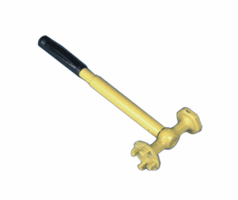
- Material: Iron and sparkless bronze preset torque wrench options.
- Torque Settings: 20/9 ft-lb, 30/15 ft-lb, and 40/20 ft-lb configurations.
- Plug Compatibility: Designed for Rieke® hex-head plugs.
- Configuration: Fixed preset torque wrench for controlled plug closure.
- Applications: Drum, pail, and container closure operations in industrial packaging environments.

$429.95
$499.95
(You Save 14%)$399.95
$499.95
(You Save 20%)$399.95
$499.95
(You Save 20%)$449.95
$549.95
(You Save 18%)$449.95
$549.95
(You Save 18%)$449.95
$549.95
(You Save 18%)Product Comparison Chart
Preset Torque Wrench Design Preset torque wrenches are configured to apply a fixed torque value during container closure. Unlike adjustable torque wrenches, these tools are selected for a specific closure requirement and are not intended for frequent field adjustment. The 20/9 ft-lb, 30/15 ft-lb, and 40/20 ft-lb configurations allow users to match the wrench to the Rieke hex-head plug and container closure instruction. Fixed torque control helps reduce variation between operators and supports repeatable plug tightening in packaging, filling, and maintenance areas.
Rieke Hex-Head Plug Compatibility Rieke hex-head plugs use a defined hex profile that requires a matching wrench interface. Correct tool fit is important because the wrench must contact the plug flats evenly during tightening. A mismatched tool may round the plug, damage the fitting, or prevent the closure from reaching the specified torque. These preset wrenches are intended for compatible Rieke hex-head plugs used on drums, pails, and industrial containers. Plug size, gasket type, container finish, and closure instruction should be confirmed before use.
Iron Wrench Construction Iron preset torque wrenches are used for standard industrial closure operations where non-sparking construction is not required. Iron provides structural rigidity for repeated hand-applied torque cycles. These models are suited for general packaging areas, warehouses, filling operations, and maintenance departments. The tool should be inspected for damaged engagement surfaces, loose components, corrosion, or signs of mechanical wear before use. Any damage to the torque mechanism can affect closure consistency.
Sparkless Bronze Construction Sparkless bronze models are used where spark reduction is required due to flammable vapors, combustible residues, solvents, fuels, or hazardous material exposure. Bronze alloys used in sparkless tools reduce ignition risk during metal-to-metal contact compared with standard ferrous tools. These tools are typically softer than hardened steel, so they should be protected from impact misuse, overloading, and damaged plug engagement. Sparkless construction supports safer work practices but does not replace ventilation, grounding, bonding, gas monitoring, or written site procedures.
Torque Mechanism and Wear Control The preset mechanism controls when the specified torque value is reached. Operators should avoid using these tools as pry bars, impact tools, or general-purpose handles. Side loading, drops, chemical contamination, and forced over-travel can affect the torque mechanism. The hex engagement area should remain clean and dimensionally intact. Worn contact points can slip on the plug and reduce the accuracy of the closure process.
Closure Torque Requirements Container plugs used for regulated storage or shipment may require specific torque values supplied by the container manufacturer or closure supplier. These values are tied to thread engagement, gasket compression, leak resistance, and package performance. A preset torque wrench supports compliance only when the selected torque setting matches the written closure instruction. Torque should not be selected by plug appearance alone.
DOT, OSHA, and Facility Procedures For hazardous material packaging, closure procedures may fall under DOT transport requirements and internal quality-control processes. OSHA workplace safety procedures may also apply when employees handle filled drums, flammable liquids, corrosives, solvents, or industrial chemicals. The torque wrench does not replace plug inspection, gasket inspection, leak testing, employee training, or documentation. In spark-sensitive environments, the bronze version should be considered along with other ignition-control measures required by the facility.
Drum and Pail Closure Operations These preset torque wrenches are used in drum filling, pail filling, chemical packaging, and liquid handling operations where Rieke hex-head plugs must be tightened to a controlled force. Common applications include industrial chemicals, coatings, lubricants, solvents, cleaning compounds, adhesives, agricultural liquids, and specialty fluids. The preset design reduces operator judgment during repeated closure work.
Maintenance and Reconditioning Use Maintenance teams and container reconditioning facilities use torque-controlled plug tools when containers are opened, inspected, cleaned, refilled, or resealed. Iron tools are used for ordinary work areas, while sparkless bronze tools are selected when plug handling occurs around flammable vapor risk or residual hazardous contents. Reconditioning operations should verify plug condition, gasket condition, thread condition, and container suitability before resealing.
Torque Setting Selection The first selection factor is the required closure torque. Buyers should verify whether the application requires 20/9 ft-lb, 30/15 ft-lb, or 40/20 ft-lb. The dual torque format may correspond to different plug sizes or closure positions within the same tool configuration, so the container or closure supplier’s instructions should be checked before ordering. Using the wrong preset value can cause leaks, plug loosening, thread damage, or gasket distortion.
Iron Versus Sparkless Bronze Iron models are used for general industrial closure work where spark control is not a primary requirement. Sparkless bronze models are used when the work area may contain flammable vapors, combustible residues, solvents, or fuel-related materials. Buyers should select the material based on workplace hazard assessment, container contents, and facility safety procedures.
Inspection and Calibration Planning Preset torque wrenches should be checked periodically to confirm they still apply the required torque value. Facilities with formal quality programs may require scheduled verification or calibration records. Operators should inspect the wrench before use, keep the hex engagement area clean, and remove damaged tools from service. For regulated container shipments, the tool should be used as part of a complete closure procedure that includes plug, gasket, thread, and leak-resistance checks.
| Product | Material | Torque Setting | Plug Type | Primary Use |
|---|---|---|---|---|
| Iron 20/9 ft-lb Preset Torque Wrench Rieke Hex-Head Plugs | Iron | 20/9 ft-lb | Rieke hex-head plugs | General plug closure with fixed torque control |
| Iron 30/15 ft-lb Preset Torque Wrench Rieke Hex-Head Plugs | Iron | 30/15 ft-lb | Rieke hex-head plugs | Controlled tightening for higher torque closure requirements |
| Iron 40/20 ft-lb Preset Torque Wrench Rieke Hex-Head Plugs | Iron | 40/20 ft-lb | Rieke hex-head plugs | Controlled closure where higher plug torque is specified |
| Sparkless Bronze 20/9 ft-lb Preset Torque Wrench for Rieke Hex-Head Plugs | Sparkless bronze | 20/9 ft-lb | Rieke hex-head plugs | Plug closure in spark-sensitive work areas |
| Sparkless Bronze 30/15 ft-lb Preset Torque Wrench for Rieke Hex-Head Plugs | Sparkless bronze | 30/15 ft-lb | Rieke hex-head plugs | Controlled plug tightening around flammable vapors or residues |
| Sparkless Bronze 40/20 ft-lb Preset Torque Wrench for Rieke Hex-Head Plugs | Sparkless bronze | 40/20 ft-lb | Rieke hex-head plugs | Higher-torque closure work in spark-sensitive environments |
Preset Torque Wrench Design Preset torque wrenches are configured to apply a fixed torque value during container closure. Unlike adjustable torque wrenches, these tools are selected for a specific closure requirement and are not intended for frequent field adjustment. The 20/9 ft-lb, 30/15 ft-lb, and 40/20 ft-lb configurations allow users to match the wrench to the Rieke hex-head plug and container closure instruction. Fixed torque control helps reduce variation between operators and supports repeatable plug tightening in packaging, filling, and maintenance areas.
Rieke Hex-Head Plug Compatibility Rieke hex-head plugs use a defined hex profile that requires a matching wrench interface. Correct tool fit is important because the wrench must contact the plug flats evenly during tightening. A mismatched tool may round the plug, damage the fitting, or prevent the closure from reaching the specified torque. These preset wrenches are intended for compatible Rieke hex-head plugs used on drums, pails, and industrial containers. Plug size, gasket type, container finish, and closure instruction should be confirmed before use.
Iron Wrench Construction Iron preset torque wrenches are used for standard industrial closure operations where non-sparking construction is not required. Iron provides structural rigidity for repeated hand-applied torque cycles. These models are suited for general packaging areas, warehouses, filling operations, and maintenance departments. The tool should be inspected for damaged engagement surfaces, loose components, corrosion, or signs of mechanical wear before use. Any damage to the torque mechanism can affect closure consistency.
Sparkless Bronze Construction Sparkless bronze models are used where spark reduction is required due to flammable vapors, combustible residues, solvents, fuels, or hazardous material exposure. Bronze alloys used in sparkless tools reduce ignition risk during metal-to-metal contact compared with standard ferrous tools. These tools are typically softer than hardened steel, so they should be protected from impact misuse, overloading, and damaged plug engagement. Sparkless construction supports safer work practices but does not replace ventilation, grounding, bonding, gas monitoring, or written site procedures.
Torque Mechanism and Wear Control The preset mechanism controls when the specified torque value is reached. Operators should avoid using these tools as pry bars, impact tools, or general-purpose handles. Side loading, drops, chemical contamination, and forced over-travel can affect the torque mechanism. The hex engagement area should remain clean and dimensionally intact. Worn contact points can slip on the plug and reduce the accuracy of the closure process.
Closure Torque Requirements Container plugs used for regulated storage or shipment may require specific torque values supplied by the container manufacturer or closure supplier. These values are tied to thread engagement, gasket compression, leak resistance, and package performance. A preset torque wrench supports compliance only when the selected torque setting matches the written closure instruction. Torque should not be selected by plug appearance alone.
DOT, OSHA, and Facility Procedures For hazardous material packaging, closure procedures may fall under DOT transport requirements and internal quality-control processes. OSHA workplace safety procedures may also apply when employees handle filled drums, flammable liquids, corrosives, solvents, or industrial chemicals. The torque wrench does not replace plug inspection, gasket inspection, leak testing, employee training, or documentation. In spark-sensitive environments, the bronze version should be considered along with other ignition-control measures required by the facility.
Drum and Pail Closure Operations These preset torque wrenches are used in drum filling, pail filling, chemical packaging, and liquid handling operations where Rieke hex-head plugs must be tightened to a controlled force. Common applications include industrial chemicals, coatings, lubricants, solvents, cleaning compounds, adhesives, agricultural liquids, and specialty fluids. The preset design reduces operator judgment during repeated closure work.
Maintenance and Reconditioning Use Maintenance teams and container reconditioning facilities use torque-controlled plug tools when containers are opened, inspected, cleaned, refilled, or resealed. Iron tools are used for ordinary work areas, while sparkless bronze tools are selected when plug handling occurs around flammable vapor risk or residual hazardous contents. Reconditioning operations should verify plug condition, gasket condition, thread condition, and container suitability before resealing.
Torque Setting Selection The first selection factor is the required closure torque. Buyers should verify whether the application requires 20/9 ft-lb, 30/15 ft-lb, or 40/20 ft-lb. The dual torque format may correspond to different plug sizes or closure positions within the same tool configuration, so the container or closure supplier’s instructions should be checked before ordering. Using the wrong preset value can cause leaks, plug loosening, thread damage, or gasket distortion.
Iron Versus Sparkless Bronze Iron models are used for general industrial closure work where spark control is not a primary requirement. Sparkless bronze models are used when the work area may contain flammable vapors, combustible residues, solvents, or fuel-related materials. Buyers should select the material based on workplace hazard assessment, container contents, and facility safety procedures.
Inspection and Calibration Planning Preset torque wrenches should be checked periodically to confirm they still apply the required torque value. Facilities with formal quality programs may require scheduled verification or calibration records. Operators should inspect the wrench before use, keep the hex engagement area clean, and remove damaged tools from service. For regulated container shipments, the tool should be used as part of a complete closure procedure that includes plug, gasket, thread, and leak-resistance checks.

