


Stainless Steel Wine Barrels for Fermentation Storage
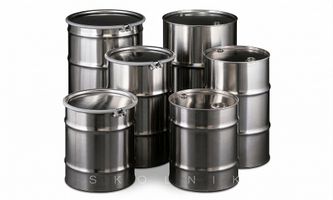
Constructed from food-grade stainless steel, these wine barrels resist corrosion, staining, and contamination. Smooth interior surfaces allow for easy cleaning and reduce the risk of bacterial growth. Many models include features such as airtight lids, valves, and fittings for temperature control and sampling. Available in a range of capacities, stainless steel wine barrels are ideal for small batch production as well as large-scale operations. For producers focused on quality, repeatability, and efficiency, stainless steel barrels offer a durable and reliable solution.

$399.95
$499.95
(You Save 20%)$499.95
$599.95
(You Save 17%)$599.95
$699.95
(You Save 14%)$699.95
$799.95
(You Save 13%)$799.95
$899.95
(You Save 11%)Barrel Types and Configurations:
Stainless steel wine barrels are available in multiple designs to support different winemaking processes. Standard closed tanks are used for fermentation and storage, while variable capacity barrels include floating lids that adjust to liquid levels, reducing oxidation. Some units are designed with cone bottoms for easier sediment removal, while others include sampling ports, airlocks, and spigots for controlled dispensing.
Material and Durability: Made from high-grade stainless steel, typically 304 or 316, these barrels offer excellent resistance to corrosion, acids, and cleaning chemicals used in wine production. The non-porous surface prevents flavor absorption and cross-contamination between batches. Stainless steel construction also provides long service life with minimal maintenance compared to traditional wood barrels.
Winemaking Applications: These barrels are used for fermenting, storing, and aging wine while maintaining a clean and consistent flavor profile. Stainless steel wine barrels are ideal for white wines, rosés, and fruit wines where preserving freshness and aroma is critical. They are also used for cold stabilization and controlled fermentation processes where temperature management is important.
Sanitation and Compliance: Food-grade stainless steel meets strict hygiene and safety standards required in beverage production. The smooth, easy-to-clean surface supports proper sanitation practices and reduces the risk of contamination. Many barrels are compatible with CIP (clean-in-place) systems, allowing for efficient cleaning without disassembly.
Buying Considerations: When selecting a stainless steel wine barrel, consider capacity, material grade (304 vs. 316), and included features such as valves, lids, and temperature control options. Variable capacity models are useful for smaller batches, while fixed tanks are better suited for consistent production volumes. Compatibility with existing winery equipment should also be evaluated.
Cost and Efficiency Benefits: Although the initial cost is higher than traditional barrels, stainless steel wine barrels provide long-term savings through durability, reusability, and reduced maintenance. They eliminate the need for frequent replacement and minimize product loss due to contamination or evaporation, making them a cost-effective solution for modern winemaking operations.
Stainless steel wine barrels provide a clean, durable, and controlled environment for wine fermentation and storage. They preserve flavor, improve sanitation, and offer long-term efficiency compared to traditional barrels.
Material and Durability: Made from high-grade stainless steel, typically 304 or 316, these barrels offer excellent resistance to corrosion, acids, and cleaning chemicals used in wine production. The non-porous surface prevents flavor absorption and cross-contamination between batches. Stainless steel construction also provides long service life with minimal maintenance compared to traditional wood barrels.
Winemaking Applications: These barrels are used for fermenting, storing, and aging wine while maintaining a clean and consistent flavor profile. Stainless steel wine barrels are ideal for white wines, rosés, and fruit wines where preserving freshness and aroma is critical. They are also used for cold stabilization and controlled fermentation processes where temperature management is important.
Sanitation and Compliance: Food-grade stainless steel meets strict hygiene and safety standards required in beverage production. The smooth, easy-to-clean surface supports proper sanitation practices and reduces the risk of contamination. Many barrels are compatible with CIP (clean-in-place) systems, allowing for efficient cleaning without disassembly.
Buying Considerations: When selecting a stainless steel wine barrel, consider capacity, material grade (304 vs. 316), and included features such as valves, lids, and temperature control options. Variable capacity models are useful for smaller batches, while fixed tanks are better suited for consistent production volumes. Compatibility with existing winery equipment should also be evaluated.
Cost and Efficiency Benefits: Although the initial cost is higher than traditional barrels, stainless steel wine barrels provide long-term savings through durability, reusability, and reduced maintenance. They eliminate the need for frequent replacement and minimize product loss due to contamination or evaporation, making them a cost-effective solution for modern winemaking operations.
Stainless steel wine barrels provide a clean, durable, and controlled environment for wine fermentation and storage. They preserve flavor, improve sanitation, and offer long-term efficiency compared to traditional barrels.

