


Rigid Drum Liners | Straight & Tapered Liners
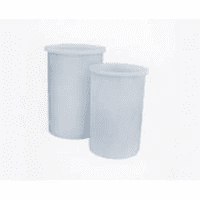
- Material Composition: Rigid plastic liner materials designed to hold shape during filling, handling, and removal.
- Size/Capacity Range: Available in 18 in. x 28 in. and 22 in. x 35 in. rigid drum liner dimensions.
- Compliance/Ratings: Used for container protection, contamination control, and repeated industrial material handling applications.
- Closure Types: Straight-side and tapered-side rigid liner configurations for open-head drum use.
- Product Types: Straight-side rigid drum liners and tapered-side rigid drum liners.

$99.97
$109.97
(You Save 9%)$82.97
$102.97
(You Save 19%)
Product Comparison Chart
Straight-Side and Tapered Rigid Liner Configurations Rigid drum liners are configured to maintain a defined shape inside an open-head drum. Straight-side liners provide a vertical wall profile that supports a consistent fit against the drum interior. This configuration is used where contents must remain contained within a stable liner wall during filling, mixing, or removal. Tapered-side liners use a slight sidewall angle, which can make stacking, nesting, and extraction easier. The tapered shape may also reduce friction against the drum wall during removal. Both configurations are used when flexible liners may wrinkle, collapse, pull down into the drum, or shift during material handling.
Rigid Plastic Construction and Shape Retention The main engineering difference between rigid and flexible drum liners is structural stability. Rigid liners are formed from plastic materials that hold their shape under normal handling conditions. This makes them useful for heavier contents, repeated use, and applications where liner collapse would interfere with filling or dispensing. The liner wall must resist bending, cracking, and puncture from material weight or contact with drum surfaces. Straight-side liners provide uniform wall contact, while tapered liners improve removal and storage efficiency. Performance depends on liner thickness, resin type, temperature exposure, chemical compatibility, fill weight, and whether the liner is used for mixing or static storage.
Compatibility and Container Protection Requirements Rigid drum liners should be selected based on the material being stored, mixed, or removed. Chemical compatibility should be verified before using rigid liners with solvents, acids, caustics, coatings, adhesives, or regulated materials. Food and pharmaceutical applications may require review of liner material suitability, cleanability, contamination controls, and internal quality standards. If liners are used with hazardous materials or waste, disposal rules may apply to both the liner and any remaining residue. Facilities should review safety data sheets, contact time, storage temperature, fill temperature, and container condition before selecting a rigid liner for production or disposal use.
Use Across Chemical, Food, Pharmaceutical, and Production Operations Rigid drum liners are used in chemical processing, food manufacturing, pharmaceutical production, coatings, adhesives, bulk material handling, and industrial waste operations. Chemical facilities use rigid liners to reduce direct contact between the drum and product, helping limit corrosion, residue buildup, and cleaning work. Food and ingredient processors use liners for powders, syrups, oils, dry goods, and semi-solid products where controlled handling is required. Pharmaceutical and laboratory operations may use rigid liners where shape stability and product separation are important. Manufacturing plants use rigid liners for resins, compounds, pigments, slurries, and materials that require a stable liner during filling or removal.
Technical Factors for Buyers Buyers should match rigid liner dimensions to the drum interior before selecting a liner. The 18 in. x 28 in. straight-side liner is suited for smaller drum applications, while 22 in. x 35 in. liners are used for larger standard drum formats. Straight-side liners should be selected where a consistent vertical fit is required. Tapered-side liners should be selected where stacking, nesting, or easier removal is important. Buyers should also review contents, fill weight, temperature, puncture risk, chemical compatibility, and whether the liner will be reused or disposed of after use. Drum condition, cleaning process, handling method, and storage space should also guide the final selection.
| Product | Liner Style | Dimensions | Primary Function | Application |
|---|---|---|---|---|
| Straight Side - Rigid Drum Liner 18" x 28" Dim. | Straight-side rigid liner | 18 in. x 28 in. | Provides structured interior drum protection | Smaller drum applications requiring shape retention and removable container protection |
| Straight Side - Rigid Drum Liner 22" x 35" Dim. | Straight-side rigid liner | 22 in. x 35 in. | Lines standard drum interiors with a consistent wall profile | Industrial drum lining for liquids, powders, semi-solids, and reusable drum workflows |
| Tapered Side - Rigid Drum Liner 22" x 35" Dim. | Tapered-side rigid liner | 22 in. x 35 in. | Provides structured protection with easier nesting and removal | Drum applications requiring rigid liner handling, stacking, or easier liner extraction |
Straight-Side and Tapered Rigid Liner Configurations Rigid drum liners are configured to maintain a defined shape inside an open-head drum. Straight-side liners provide a vertical wall profile that supports a consistent fit against the drum interior. This configuration is used where contents must remain contained within a stable liner wall during filling, mixing, or removal. Tapered-side liners use a slight sidewall angle, which can make stacking, nesting, and extraction easier. The tapered shape may also reduce friction against the drum wall during removal. Both configurations are used when flexible liners may wrinkle, collapse, pull down into the drum, or shift during material handling.
Rigid Plastic Construction and Shape Retention The main engineering difference between rigid and flexible drum liners is structural stability. Rigid liners are formed from plastic materials that hold their shape under normal handling conditions. This makes them useful for heavier contents, repeated use, and applications where liner collapse would interfere with filling or dispensing. The liner wall must resist bending, cracking, and puncture from material weight or contact with drum surfaces. Straight-side liners provide uniform wall contact, while tapered liners improve removal and storage efficiency. Performance depends on liner thickness, resin type, temperature exposure, chemical compatibility, fill weight, and whether the liner is used for mixing or static storage.
Compatibility and Container Protection Requirements Rigid drum liners should be selected based on the material being stored, mixed, or removed. Chemical compatibility should be verified before using rigid liners with solvents, acids, caustics, coatings, adhesives, or regulated materials. Food and pharmaceutical applications may require review of liner material suitability, cleanability, contamination controls, and internal quality standards. If liners are used with hazardous materials or waste, disposal rules may apply to both the liner and any remaining residue. Facilities should review safety data sheets, contact time, storage temperature, fill temperature, and container condition before selecting a rigid liner for production or disposal use.
Use Across Chemical, Food, Pharmaceutical, and Production Operations Rigid drum liners are used in chemical processing, food manufacturing, pharmaceutical production, coatings, adhesives, bulk material handling, and industrial waste operations. Chemical facilities use rigid liners to reduce direct contact between the drum and product, helping limit corrosion, residue buildup, and cleaning work. Food and ingredient processors use liners for powders, syrups, oils, dry goods, and semi-solid products where controlled handling is required. Pharmaceutical and laboratory operations may use rigid liners where shape stability and product separation are important. Manufacturing plants use rigid liners for resins, compounds, pigments, slurries, and materials that require a stable liner during filling or removal.
Technical Factors for Buyers Buyers should match rigid liner dimensions to the drum interior before selecting a liner. The 18 in. x 28 in. straight-side liner is suited for smaller drum applications, while 22 in. x 35 in. liners are used for larger standard drum formats. Straight-side liners should be selected where a consistent vertical fit is required. Tapered-side liners should be selected where stacking, nesting, or easier removal is important. Buyers should also review contents, fill weight, temperature, puncture risk, chemical compatibility, and whether the liner will be reused or disposed of after use. Drum condition, cleaning process, handling method, and storage space should also guide the final selection.

