


6" IBC Tote Caps & Covers | Vented & Solid Options
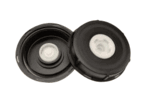
- Material Composition: High-Density Polyethylene (HDPE), EPDM, Santoprene
- Size Range: Standard 6-inch IBC Fill Opening
- Compliance: Chemical-Resistant Sealing Components
- Closure Types: Solid Caps, Vented Caps, Plug Covers

$12.95
$15.95
(You Save 19%)$12.95
$15.95
(You Save 19%)| Product Type | Cap Style | Gasket Material | Venting | Application Use |
|---|---|---|---|---|
| Mauser Black 6" Cover | Solid Plug Cover | Santoprene | No | General liquid storage |
| Mauser Black 6" Cover | Vented Cap with Plug | EPDM | Yes | Gassing or volatile contents |
6-inch IBC tote caps and covers are engineered closure components used to maintain sealing integrity, manage internal pressure, and ensure compatibility with industrial liquid storage systems. Configuration options, gasket materials, and venting capabilities determine performance across chemical, agricultural, and water treatment applications. Proper selection ensures containment, compliance, and operational reliability.
Configuration Analysis
IBC tote caps in the 6-inch size are available in multiple configurations to match storage and transport requirements. Solid caps provide a sealed barrier to prevent leaks and contamination during handling and storage. These are typically used for non-reactive liquids or materials that do not produce gas. Vented caps include integrated vent plugs that allow controlled pressure release, which is required when storing volatile liquids or materials that emit gases. Plug-style covers offer an intermediate configuration, combining a solid body with removable inserts for controlled access. Selection depends on internal pressure conditions and filling material characteristics.
Material Engineering
These caps are manufactured from high-density polyethylene (HDPE), selected for its resistance to impact, UV exposure, and a wide range of chemicals. Gasket materials play a critical role in sealing performance. EPDM gaskets provide resistance to water, steam, and certain acids, making them suitable for aqueous and outdoor applications. Santoprene gaskets offer enhanced flexibility and resistance to a broader range of chemicals, including oils and solvents. The combination of rigid HDPE bodies and elastomeric gaskets ensures consistent sealing under varying temperature and pressure conditions.
Regulatory Standards
IBC closures must maintain compatibility with container systems that meet UN/DOT requirements for transporting hazardous materials. While the cap itself may not carry a UN rating, it must support the integrity of the IBC system to maintain compliance. Vented caps are often required for materials that generate internal pressure, ensuring safe transport conditions and preventing container deformation or rupture. OSHA guidelines for chemical handling also require proper sealing to minimize exposure risks during storage and transfer.
Industrial Applications
6-inch IBC caps are used in multiple industries where bulk liquid storage is required. In chemical processing, vented caps are used for reactive or off-gassing substances. In agriculture, these caps seal totes used for fertilizers, herbicides, and liquid nutrients. Water treatment operations use both vented and solid caps depending on whether the stored liquid requires pressure equalization. Manufacturing and industrial facilities rely on these closures to maintain product integrity and reduce contamination during storage and transport.
Selection Criteria
Selection of a 6-inch IBC cap depends on several technical factors. Material compatibility is critical, particularly when selecting between EPDM and Santoprene gaskets based on chemical exposure. Pressure conditions determine whether a vented or non-vented cap is required. Environmental exposure, including UV and temperature variation, impacts material performance over time. Thread compatibility and fitment must match the IBC opening standard to ensure leak prevention. Operational requirements such as frequency of access and transport conditions also influence the appropriate configuration.

