


Max Lite Foam Ear Plugs | Corded & Uncorded Hearing Protection
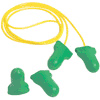
- Material: Low-pressure polyurethane foam
- Noise Reduction Rating (NRR): 30 dB
- Configurations: Corded and Uncorded Disposable Foam Ear Plugs
- Pack Sizes: 100 Pair and 200 Pair Packs
- Applications: Manufacturing, Construction, Warehousing, Maintenance, General Industrial Use

Product Comparison Chart
| Product | Configuration | Material | NRR | Pack Size | Disposable | Typical Applications |
|---|---|---|---|---|---|---|
| Max Lite Uncorded Foam Ear Plugs | Uncorded | Polyurethane Foam | 30 dB | 200 Pair Pack | Yes | Continuous industrial hearing protection |
| Max Lite Corded Foam Ear Plugs | Corded | Polyurethane Foam | 30 dB | 100 Pair Pack | Yes | Intermittent hearing protection with repeated removal |
Configuration Analysis Max Lite foam ear plugs are available in two primary configurations: corded and uncorded. Uncorded ear plugs are individually inserted and discarded after use, making them appropriate for environments where workers frequently replace hearing protection throughout the day. Corded models connect both ear plugs with a flexible cord, allowing the plugs to hang around the neck when temporarily removed. This configuration reduces the likelihood of loss between uses and supports applications requiring intermittent hearing protection during equipment inspections, communication, or movement between designated work zones.
Material Engineering These ear plugs are manufactured from low-pressure polyurethane foam engineered to expand gradually after insertion. The foam structure conforms to the contours of the ear canal to establish an acoustic seal while applying relatively low expansion pressure. This material composition contributes to consistent attenuation performance and accommodates a wide range of ear canal sizes. As disposable hearing protection, polyurethane foam ear plugs are intended for limited-use applications where hygiene and contamination control are important considerations.
Noise Reduction Performance Both corded and uncorded Max Lite ear plugs carry a Noise Reduction Rating (NRR) of 30 dB. The NRR is determined through standardized laboratory testing and provides a reference for expected noise attenuation when the ear plugs are properly fitted. Actual workplace protection depends on correct insertion, user training, and compliance with hearing conservation practices. Ear plugs should be fully compressed before insertion and allowed sufficient time to expand within the ear canal to achieve the intended seal.
Regulatory Standards Disposable foam ear plugs are commonly utilized within hearing conservation programs established under occupational safety regulations. Employers operating in high-noise environments may implement hearing protection as part of compliance with OSHA hearing conservation requirements when employee exposure reaches regulated action levels. Proper selection, employee fit testing, training, storage, and replacement schedules contribute to maintaining effective hearing protection throughout normal workplace operations.
Industrial Applications Max Lite foam ear plugs are used across multiple industries where machinery, powered equipment, and production processes generate elevated sound levels. Typical applications include manufacturing facilities, fabrication shops, warehouses, construction projects, maintenance departments, utilities, transportation operations, and general industrial environments. Disposable foam hearing protection is also suitable for maintenance shutdowns, equipment servicing, and temporary high-noise work areas where consistent replacement supports workplace hygiene protocols.
Selection Criteria Selection between corded and uncorded ear plugs depends on workplace procedures and user requirements. Corded versions are appropriate for workers who repeatedly remove and reinstall hearing protection during routine tasks, while uncorded versions support continuous wear and simplified disposal. Buyers should also consider required Noise Reduction Rating, pack quantity, replacement frequency, compatibility with other personal protective equipment such as hard hats and safety glasses, and employer hearing conservation program requirements when selecting disposable foam ear plugs.

