


BEST Chloroflex Neoprene Chemical-Resistant Gloves
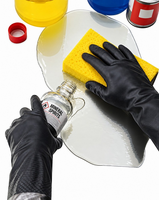
- Material: Neoprene synthetic rubber
- Available Sizes: 8, 9, and 10
- Package Quantity: 12 pairs (1 dozen pairs) per size
- Protection: Chemical-resistant gloves for industrial handling applications
- Applications: Chemical handling, cleaning, maintenance, and manufacturing

Product Comparison Chart
Neoprene Chemical-Resistant Glove Construction
BEST Chloroflex gloves are made from neoprene, a synthetic rubber also known as polychloroprene. Neoprene is used in industrial protective gloves because of its resistance to certain chemicals, oils, and environmental conditions. Unlike disposable examination gloves, reusable industrial neoprene gloves are intended for tasks requiring extended hand coverage and repeated handling of compatible substances, subject to their condition and manufacturer instructions. Protection depends on glove thickness, chemical concentration, temperature, exposure time, and material compatibility. Exact thickness, length, surface texture, and lining specifications for these Chloroflex models should be confirmed through manufacturer documentation.
Available Sizes and Packaging
This category contains BEST Chloroflex Neoprene Chemical-Resistant Gloves in three sizes: Size 8: For users requiring size 8 gloves. Size 9: For users requiring size 9 gloves. Size 10: For users requiring size 10 gloves. Each product is listed in a package containing 12 pairs, equivalent to 24 individual gloves. Glove sizing should be based on hand measurements and the manufacturer's sizing guide. Improperly fitted gloves may reduce dexterity, interfere with gripping, or create loose material around machinery.
Material Properties and Chemical Compatibility
Neoprene is an elastomer manufactured from chloroprene polymers. Its molecular structure contributes to resistance against selected industrial chemicals and environmental exposure. Chemical-resistant glove performance is determined by three principal factors: Permeation: The movement of a chemical through the glove material at the molecular level. Degradation: Physical changes to the glove caused by chemical exposure, including swelling, hardening, or weakening. Penetration: The passage of chemicals through openings, seams, holes, or other material defects. Chemical resistance varies considerably by substance. Neoprene is not universally suitable for solvents, concentrated chemicals, or every petroleum-based product. Before use, consult the chemical's Safety Data Sheet (SDS) and the glove manufacturer's chemical resistance chart. The specific chemical, concentration, and expected exposure duration determine suitability.
Workplace Safety Standards
Industrial protective glove selection is addressed under OSHA's hand-protection requirements, including 29 CFR 1910.138. Employers must select hand protection based on the hazards associated with the work, including potential contact with chemicals, skin absorption hazards, cuts, and abrasions. ASTM F739 and EN ISO 374 are commonly referenced standards for evaluating chemical protective glove performance. However, compliance with a particular standard should not be assumed unless the exact glove model has supporting manufacturer documentation. Chemical resistance testing, glove thickness, and breakthrough time are important when comparing gloves for specific workplace exposures.
Industrial Applications
Chemical Handling: Neoprene gloves may be used when transferring, mixing, or handling chemicals confirmed compatible with the glove material. Industrial Cleaning: Maintenance employees may use chemical-resistant gloves when working with compatible detergents, cleaning agents, and sanitation solutions. Manufacturing: Workers handling chemical-treated components, process equipment, and certain industrial fluids may require protective neoprene gloves. Laboratory Operations: Neoprene gloves may be considered for laboratory cleaning, chemical preparation, and equipment handling when supported by a chemical compatibility assessment. Equipment Maintenance: Chemical-resistant hand protection may be appropriate during maintenance involving compatible lubricants, cleaning fluids, and industrial substances.
Selection, Inspection, and Storage
Selecting industrial neoprene gloves involves more than choosing the correct size. Buyers should review chemical compatibility, expected exposure duration, glove thickness, working temperature, and required dexterity. Gloves should be inspected before each use for punctures, cracks, discoloration, swelling, or other signs of deterioration. Damaged gloves should be removed from service. Reusable gloves must be cleaned and dried according to manufacturer instructions. Storage away from excessive heat, sunlight, and incompatible chemicals helps limit material deterioration. For workplace purchasing, the 12-pair packaging allows facilities to distribute gloves by size across maintenance, production, and cleaning departments.
| Product | Material | Size | Package |
|---|---|---|---|
| BEST Chloroflex Neoprene Chemical-Resistant Gloves Size 8 | Neoprene | 8 | 12 Pairs |
| BEST Chloroflex Neoprene Chemical-Resistant Gloves Size 9 | Neoprene | 9 | 12 Pairs |
| BEST Chloroflex Neoprene Chemical-Resistant Gloves Size 10 | Neoprene | 10 | 12 Pairs |
Neoprene Chemical-Resistant Glove Construction
BEST Chloroflex gloves are made from neoprene, a synthetic rubber also known as polychloroprene. Neoprene is used in industrial protective gloves because of its resistance to certain chemicals, oils, and environmental conditions. Unlike disposable examination gloves, reusable industrial neoprene gloves are intended for tasks requiring extended hand coverage and repeated handling of compatible substances, subject to their condition and manufacturer instructions. Protection depends on glove thickness, chemical concentration, temperature, exposure time, and material compatibility. Exact thickness, length, surface texture, and lining specifications for these Chloroflex models should be confirmed through manufacturer documentation.
Available Sizes and Packaging
This category contains BEST Chloroflex Neoprene Chemical-Resistant Gloves in three sizes: Size 8: For users requiring size 8 gloves. Size 9: For users requiring size 9 gloves. Size 10: For users requiring size 10 gloves. Each product is listed in a package containing 12 pairs, equivalent to 24 individual gloves. Glove sizing should be based on hand measurements and the manufacturer's sizing guide. Improperly fitted gloves may reduce dexterity, interfere with gripping, or create loose material around machinery.
Material Properties and Chemical Compatibility
Neoprene is an elastomer manufactured from chloroprene polymers. Its molecular structure contributes to resistance against selected industrial chemicals and environmental exposure. Chemical-resistant glove performance is determined by three principal factors: Permeation: The movement of a chemical through the glove material at the molecular level. Degradation: Physical changes to the glove caused by chemical exposure, including swelling, hardening, or weakening. Penetration: The passage of chemicals through openings, seams, holes, or other material defects. Chemical resistance varies considerably by substance. Neoprene is not universally suitable for solvents, concentrated chemicals, or every petroleum-based product. Before use, consult the chemical's Safety Data Sheet (SDS) and the glove manufacturer's chemical resistance chart. The specific chemical, concentration, and expected exposure duration determine suitability.
Workplace Safety Standards
Industrial protective glove selection is addressed under OSHA's hand-protection requirements, including 29 CFR 1910.138. Employers must select hand protection based on the hazards associated with the work, including potential contact with chemicals, skin absorption hazards, cuts, and abrasions. ASTM F739 and EN ISO 374 are commonly referenced standards for evaluating chemical protective glove performance. However, compliance with a particular standard should not be assumed unless the exact glove model has supporting manufacturer documentation. Chemical resistance testing, glove thickness, and breakthrough time are important when comparing gloves for specific workplace exposures.
Industrial Applications
Chemical Handling: Neoprene gloves may be used when transferring, mixing, or handling chemicals confirmed compatible with the glove material. Industrial Cleaning: Maintenance employees may use chemical-resistant gloves when working with compatible detergents, cleaning agents, and sanitation solutions. Manufacturing: Workers handling chemical-treated components, process equipment, and certain industrial fluids may require protective neoprene gloves. Laboratory Operations: Neoprene gloves may be considered for laboratory cleaning, chemical preparation, and equipment handling when supported by a chemical compatibility assessment. Equipment Maintenance: Chemical-resistant hand protection may be appropriate during maintenance involving compatible lubricants, cleaning fluids, and industrial substances.
Selection, Inspection, and Storage
Selecting industrial neoprene gloves involves more than choosing the correct size. Buyers should review chemical compatibility, expected exposure duration, glove thickness, working temperature, and required dexterity. Gloves should be inspected before each use for punctures, cracks, discoloration, swelling, or other signs of deterioration. Damaged gloves should be removed from service. Reusable gloves must be cleaned and dried according to manufacturer instructions. Storage away from excessive heat, sunlight, and incompatible chemicals helps limit material deterioration. For workplace purchasing, the 12-pair packaging allows facilities to distribute gloves by size across maintenance, production, and cleaning departments.

