


Rubbermaid Container Liners | 20–55 Gallon Bags
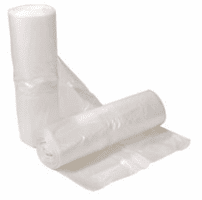
- Material Composition: Industrial plastic can liners for refuse containment and container protection.
- Size Range: 20-gallon, 32-gallon, 44–50-gallon, 45-gallon, 50-gallon, and 55-gallon liner options.
- Carton Counts: 100-count, 200-count, and 300-count cartons depending on liner size.
- Container Fit: Sized for Rubbermaid refuse containers, BRUTE containers, and general waste collection bins.
- Use Type: Designed for trash collection, facility maintenance, janitorial service, and material handling cleanup.

$235.98$289.98(You Save 19%)
| Buy More, Save More! | ||
|---|---|---|
| Quantity | Price Each | You Save |
| 1 - 1 pieces | $235.98 ea. | $54.00 (19%) |
| 2 - 5 pieces | $224.18 ea. | $65.80 (23%) |
| 6 - 11 pieces | $212.38 ea. | $77.60 (27%) |
| 12 - 24 pieces | $200.58 ea. | $89.40 (31%) |
| 25+ pieces | $188.78 ea. | $101.20 (35%) |
$317.98$389.98(You Save 18%)
| Buy More, Save More! | ||
|---|---|---|
| Quantity | Price Each | You Save |
| 1 - 1 pieces | $317.98 ea. | $72.00 (18%) |
| 2 - 5 pieces | $302.08 ea. | $87.90 (23%) |
| 6 - 11 pieces | $286.18 ea. | $103.80 (27%) |
| 12 - 24 pieces | $270.28 ea. | $119.70 (31%) |
| 25+ pieces | $254.38 ea. | $135.60 (35%) |
$329.98$389.98(You Save 15%)
| Buy More, Save More! | ||
|---|---|---|
| Quantity | Price Each | You Save |
| 1 - 1 pieces | $329.98 ea. | $60.00 (15%) |
| 2 - 5 pieces | $313.48 ea. | $76.50 (20%) |
| 6 - 11 pieces | $296.98 ea. | $93.00 (24%) |
| 12 - 24 pieces | $280.48 ea. | $109.50 (28%) |
| 25+ pieces | $263.98 ea. | $126.00 (32%) |
$352.98$399.98(You Save 12%)
| Buy More, Save More! | ||
|---|---|---|
| Quantity | Price Each | You Save |
| 1 - 1 pieces | $352.98 ea. | $47.00 (12%) |
| 2 - 5 pieces | $335.33 ea. | $64.65 (16%) |
| 6 - 11 pieces | $317.68 ea. | $82.30 (21%) |
| 12 - 24 pieces | $300.03 ea. | $99.95 (25%) |
| 25+ pieces | $282.38 ea. | $117.60 (29%) |
$329.98$389.98(You Save 15%)
| Buy More, Save More! | ||
|---|---|---|
| Quantity | Price Each | You Save |
| 1 - 1 pieces | $329.98 ea. | $60.00 (15%) |
| 2 - 5 pieces | $313.48 ea. | $76.50 (20%) |
| 6 - 11 pieces | $296.98 ea. | $93.00 (24%) |
| 12 - 24 pieces | $280.48 ea. | $109.50 (28%) |
| 25+ pieces | $263.98 ea. | $126.00 (32%) |
$352.98$399.98(You Save 12%)
| Buy More, Save More! | ||
|---|---|---|
| Quantity | Price Each | You Save |
| 1 - 1 pieces | $352.98 ea. | $47.00 (12%) |
| 2 - 5 pieces | $335.33 ea. | $64.65 (16%) |
| 6 - 11 pieces | $317.68 ea. | $82.30 (21%) |
| 12 - 24 pieces | $300.03 ea. | $99.95 (25%) |
| 25+ pieces | $282.38 ea. | $117.60 (29%) |
Product Comparison Chart
| Product | Container Size | Carton Count | Primary Use |
|---|---|---|---|
| Rubbermaid Container Liners 20 gal | 20 Gallon | 300 Count Carton | Small refuse containers, office waste, light-duty janitorial collection |
| Rubbermaid Container Liners 32 Gallon | 32 Gallon | 300 Count Carton | Medium commercial trash cans and facility waste stations |
| Rubbermaid Container Liners 44-50 Gallon | 44 to 50 Gallon | 200 Count Carton | Larger refuse containers and higher-volume cleanup areas |
| Rubbermaid Container Liners 45 Gallon | 45 Gallon | 200 Count Carton | Facility maintenance, warehouse waste, and commercial collection |
| Rubbermaid Container Liners 50 Gallon | 50 Gallon | 100 Count Carton | Large-capacity waste containers and heavier trash loads |
| Rubbermaid Container Liners 55 Gallon | 55 Gallon | 100 Count Carton | Industrial refuse containers, bulk waste, and drum-size trash handling |
Container Liner Configuration Analysis
Rubbermaid container liners are organized by container capacity and carton count. Smaller 20-gallon and 32-gallon liners are supplied in 300-count cartons for high-frequency replacement in offices, restrooms, schools, and light commercial waste areas. Mid-size 44–50-gallon and 45-gallon liners are supplied in 200-count cartons for larger collection points where waste volume is higher but liner replacement remains frequent. The 50-gallon and 55-gallon liners are supplied in 100-count cartons and are suited for larger containers, heavier waste loads, and industrial collection points. The correct configuration depends on container volume, waste density, and the number of liner changes required per shift or service cycle.
Material Engineering and Liner Function
Commercial container liners function as a barrier between waste materials and the inside wall of the refuse container. This reduces direct contact with liquids, food residue, dust, packaging waste, and general debris. Plastic liner construction supports routine removal and disposal while helping preserve the container interior. In commercial use, liner performance depends on film thickness, puncture resistance, seam strength, and proper fit. A liner that is too small can stretch or tear when loaded. A liner that is oversized may bunch around the rim and reduce usable capacity. Matching the liner size to the Rubbermaid container capacity helps reduce liner failure during lifting, tying, and removal.
Regulatory and Facility Handling Considerations
Container liners are not hazardous material containers by themselves and should not be used as the only containment method for regulated liquids, chemicals, or hazardous waste unless approved by the facility’s waste handling procedure. In OSHA-regulated workplaces, liners support housekeeping by helping control loose waste, residue, and debris inside collection containers. For food service, maintenance, healthcare support areas, and industrial facilities, liner use should follow internal sanitation and disposal policies. Waste type determines the correct disposal stream. General trash, packaging scrap, food waste, absorbent cleanup materials, and non-hazardous maintenance debris may require different liner sizes or handling procedures.
Industrial and Commercial Applications
Rubbermaid container liners are used across janitorial, warehouse, manufacturing, food service, education, office, and facility maintenance environments. In warehouses, they are used for packaging waste, stretch wrap, paper, cardboard scraps, and general cleanup material. In food service areas, liners help separate food residue from the container wall and simplify sanitation between shifts. In schools and offices, 20-gallon and 32-gallon liners are used in centralized waste stations and utility carts. Larger 45-gallon, 50-gallon, and 55-gallon liners support bulk trash collection in loading docks, maintenance shops, production floors, and outdoor service areas.
Selection Criteria for Buyers
Buyers should select Rubbermaid container liners by container size, expected load weight, waste type, and carton count. A 20-gallon or 32-gallon liner is suited for smaller containers and light-to-medium refuse. A 44–50-gallon or 45-gallon liner is used where container capacity and daily waste volume are higher. A 50-gallon or 55-gallon liner is used for larger refuse containers and heavier waste streams. Carton count also affects purchasing decisions. 300-count cartons reduce reorder frequency for smaller liners, while 100-count cartons are common for larger liners that require more storage space per unit. Proper sizing helps reduce tearing, overhang, wasted material, and cleanup labor.

