


Fiber Cardboard Drums for Solids, Powders & Granules
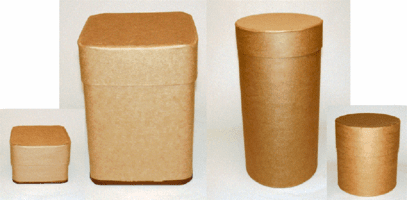
- Material Composition: All-fiber corrugated cardboard construction with corrugated fiber lids.
- Capacity Range: 5-gallon, 10-gallon, 15-gallon, 16.5-gallon, 24-gallon, 30-gallon, and 57.5-gallon sizes.
- Compliance/Ratings: UN-rated options for approved hazardous material packaging when used according to rating limits.
- Closure Types: Telescoping two-piece fiber lid design for open-head solid material storage.
- Configurations: Round and square drums with flat tops and bottoms for stacking and space control.

$49.98$58.76(You Save 15%)
| Buy More, Save More! | ||
|---|---|---|
| Quantity | Price Each | You Save |
| 1 - 5 pieces | $49.98 ea. | $8.78 (15%) |
| 6 - 11 pieces | $45.98 ea. | $12.78 (22%) |
| 12+ pieces | $39.98 ea. | $18.78 (32%) |
$61.98
$73.00
(You Save 15%)$59.96
$69.96
(You Save 14%)$26.95
$36.95
(You Save 27%)$71.98
$100.00
(You Save 28%)$29.95
$39.95
(You Save 25%)$22.98
$30.00
(You Save 23%)$28.00
$32.00
(You Save 12%)Product Comparison Chart
Configuration Analysis Fiber cardboard drums are supplied in round and square configurations. Round fiber drums are common for general industrial packaging where cylindrical handling, pallet placement, and conventional drum storage are required. Square fiber drums are used where cube efficiency matters because the shape reduces unused space between containers. Both designs use flat tops and bottoms to support uniform stacking. The telescoping two-piece design includes a container body and a fitted fiber lid that covers the open top. This design is intended for top-loading dry or semi-solid materials such as powders, pastes, solids, and granules. These drums are not a substitute for liquid-tight plastic or steel drums unless the specific product rating and liner system support that use.
Material Engineering All-fiber drums are made from corrugated cardboard or fiberboard materials formed into rigid drum bodies. The structure reduces tare weight compared with steel or plastic drums, which can lower handling effort and freight weight. Corrugated fiber construction provides a balance of compression strength and lightweight storage performance. Flat surfaces support stacking when filled within the container’s rated capacity and when stacked on stable warehouse surfaces. Fiber lids are also corrugated or fiber-based, keeping the container in an all-fiber packaging format. Because the material is fiber-based, it may be incinerated where permitted by local waste handling rules. Fiber construction is not designed for prolonged outdoor exposure, standing water, or liquid containment without an approved liner or inner package.
Regulatory Standards Several fiber cardboard drums in this category are UN-rated for hazardous materials. UN-rated packaging is tested and marked for specific material classes, packing groups, gross weights, and contents. Buyers must match the container’s UN marking to the material being shipped. DOT 49 CFR hazardous material rules require that packaging be compatible with the contents and used according to the manufacturer’s certification. A UN-rated fiber drum does not mean it is approved for every hazardous material. The rating must be checked against the material’s Safety Data Sheet, packing group, physical form, and shipping method. Fiber drums are commonly used for hazardous solids when the product rating allows that application.
Industrial Applications Fiber cardboard drums are used in chemical, food ingredient, pharmaceutical, agricultural, manufacturing, and waste handling environments. Chemical operations may use UN-rated fiber drums for compatible powders, dry compounds, catalysts, or solid additives. Food and ingredient operations may use fiber drums for dry goods where the product is protected by an approved inner liner or bag. Agricultural users may package seed, granular additives, powders, or dry treatment products. Manufacturing facilities may use these drums for parts, absorbents, pigments, resin powders, and dry bulk materials. Waste and environmental operations may use fiber drums for dry cleanup residue when the material classification allows fiber packaging.
Selection Criteria Selection should start with material form. Fiber cardboard drums are suited for solids, powders, granules, and certain pastes, not free liquids unless a separate approved containment system is specified. Capacity should be matched to product weight, handling method, and pallet layout. Square drums may improve storage density, while round drums may fit existing drum handling procedures. UN rating should be reviewed before shipping hazardous materials. Storage conditions also matter. Fiber containers should be kept dry, protected from rain, and stored away from high-moisture areas. Buyers should also check stacking requirements, lid fit, product density, and whether an inner liner is needed for contamination control.
| Product | Shape | Capacity | Material | Lid Type | Primary Use |
|---|---|---|---|---|---|
| 30 Gallon Round All-Fiber Cardboard Drum | Round | 30 Gallon | All-Fiber Cardboard | Fiber Lid | Solids, powders, granules |
| 24 Gallon Round All-Fiber Cardboard Drum | Round | 24 Gallon | All-Fiber Cardboard | Fiber Lid | Dry and semi-solid materials |
| 16.5 Gallon Fiber Drum with Lid | Round | 16.5 Gallon | All-Fiber Cardboard | Fiber Lid | Solids only, hazardous material packaging where rated |
| 10 Gallon Round All-Fiber Corrugated Cardboard Drum | Round | 10 Gallon | Corrugated Cardboard Fiber | Corrugated Fiber Lid | Small-volume powders and solids |
| 57.5 Gallon Square All-Fiber Corrugated Cardboard Drum | Square | 57.5 Gallon | Corrugated Cardboard Fiber | Corrugated Fiber Lid | Bulk dry material storage |
| 15 Gallon Square All-Fiber Corrugated Cardboard Drum | Square | 15 Gallon | Corrugated Cardboard Fiber | Corrugated Fiber Lid | Stackable dry product handling |
| 10 Gallon Square All-Fiber Corrugated Cardboard Drum | Square | 10 Gallon | Corrugated Cardboard Fiber | Corrugated Fiber Lid | Compact dry material packaging |
| 5 Gallon Square All-Fiber Corrugated Cardboard Drum | Square | 5 Gallon | Corrugated Cardboard Fiber | Corrugated Fiber Lid | Small-batch solids and granules |
Configuration Analysis Fiber cardboard drums are supplied in round and square configurations. Round fiber drums are common for general industrial packaging where cylindrical handling, pallet placement, and conventional drum storage are required. Square fiber drums are used where cube efficiency matters because the shape reduces unused space between containers. Both designs use flat tops and bottoms to support uniform stacking. The telescoping two-piece design includes a container body and a fitted fiber lid that covers the open top. This design is intended for top-loading dry or semi-solid materials such as powders, pastes, solids, and granules. These drums are not a substitute for liquid-tight plastic or steel drums unless the specific product rating and liner system support that use.
Material Engineering All-fiber drums are made from corrugated cardboard or fiberboard materials formed into rigid drum bodies. The structure reduces tare weight compared with steel or plastic drums, which can lower handling effort and freight weight. Corrugated fiber construction provides a balance of compression strength and lightweight storage performance. Flat surfaces support stacking when filled within the container’s rated capacity and when stacked on stable warehouse surfaces. Fiber lids are also corrugated or fiber-based, keeping the container in an all-fiber packaging format. Because the material is fiber-based, it may be incinerated where permitted by local waste handling rules. Fiber construction is not designed for prolonged outdoor exposure, standing water, or liquid containment without an approved liner or inner package.
Regulatory Standards Several fiber cardboard drums in this category are UN-rated for hazardous materials. UN-rated packaging is tested and marked for specific material classes, packing groups, gross weights, and contents. Buyers must match the container’s UN marking to the material being shipped. DOT 49 CFR hazardous material rules require that packaging be compatible with the contents and used according to the manufacturer’s certification. A UN-rated fiber drum does not mean it is approved for every hazardous material. The rating must be checked against the material’s Safety Data Sheet, packing group, physical form, and shipping method. Fiber drums are commonly used for hazardous solids when the product rating allows that application.
Industrial Applications Fiber cardboard drums are used in chemical, food ingredient, pharmaceutical, agricultural, manufacturing, and waste handling environments. Chemical operations may use UN-rated fiber drums for compatible powders, dry compounds, catalysts, or solid additives. Food and ingredient operations may use fiber drums for dry goods where the product is protected by an approved inner liner or bag. Agricultural users may package seed, granular additives, powders, or dry treatment products. Manufacturing facilities may use these drums for parts, absorbents, pigments, resin powders, and dry bulk materials. Waste and environmental operations may use fiber drums for dry cleanup residue when the material classification allows fiber packaging.
Selection Criteria Selection should start with material form. Fiber cardboard drums are suited for solids, powders, granules, and certain pastes, not free liquids unless a separate approved containment system is specified. Capacity should be matched to product weight, handling method, and pallet layout. Square drums may improve storage density, while round drums may fit existing drum handling procedures. UN rating should be reviewed before shipping hazardous materials. Storage conditions also matter. Fiber containers should be kept dry, protected from rain, and stored away from high-moisture areas. Buyers should also check stacking requirements, lid fit, product density, and whether an inner liner is needed for contamination control.

