


Fiber Drums & Cardboard Barrels | Industrial Storage
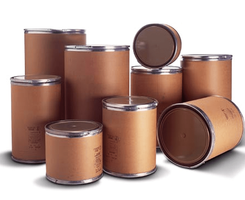
- Material Composition: Kraft Fiberboard (Paper), Steel Chimes, Plastic or Fiber Lids.
- Size/Capacity Range: 10-Gallon to 75-Gallon capacities.
- Compliance/Ratings: UN-Rated for Solids; DOT-compliant for transport.
- Closure Types: Lok-Rim® Lever-Lock Ring, Telescoping Covers, Plastic Lids.

$399.96
$499.96
(You Save 20%)$99.96$139.95(You Save 29%)
| Buy More, Save More! | ||
|---|---|---|
| Quantity | Price Each | You Save |
| 1 - 3 pieces | $99.96 ea. | $39.99 (29%) |
| 4+ pieces | $89.96 ea. | $49.99 (36%) |
$15.95$17.95(You Save 11%)
| Buy More, Save More! | ||
|---|---|---|
| Quantity | Price Each | You Save |
| 1 - 5 pieces | $15.95 ea. | $2.00 (11%) |
| 6+ pieces | $14.95 ea. | $3.00 (17%) |
| Product Name | Capacity | Configuration | Material/Lid Type |
|---|---|---|---|
| Greif Lok-Rim® Fiber Drum | 30 Gallon | Open Head | Fiberboard / Plastic Lid |
| Greif Lok-Rim® Fiber Drum | 55 Gallon | Open Head | Fiberboard / Plastic Lid |
| 55 Gallon Fiber Drum Pallet (4-Pack) | 55 Gallon (x4) | Open Head | Fiberboard / Steel Chime |
| Fluorescent Lamp Recycling Tube | Variable | Cylindrical | Fiberboard |
| Lok-Rim Drum Tool | N/A | Accessory | Steel |
Industrial Drum Architecture The primary configuration for fiber drums is the open-head design, which allows for the full-diameter access required for filling and extracting bulky solids, powders, and pastes. The Lok-Rim® design features a metal chime—a reinforced steel ring—around the top and bottom edges of the fiber wall. This chime provides the structural interface for the lever-lock ring, which mechanically compresses the lid onto the drum body. For specific recycling applications, such as fluorescent lamp disposal, the geometry is modified into elongated tubes to prevent glass breakage and contain mercury vapor.
Fiberboard Composition and Reinforcement Fiber drums are manufactured through a process of winding multiple layers of high-strength kraft paper bonded with adhesive to create a rigid, straight-sided wall. The gauge of the fiberboard determines the stacking strength and puncture resistance of the unit. Unlike metallic containers, fiberboard is naturally insulating and non-conductive. To enhance durability, the top and bottom of the drum are typically reinforced with galvanized steel chimes. Interior options may include poly-liners or coatings to prevent moisture absorption, though the base material remains sensitive to direct liquid saturation unless specifically treated.
UN Ratings and DOT Compliance For the transport of hazardous materials, fiber drums must undergo performance testing to receive a UN Rating. These ratings, marked on the drum exterior, indicate the container has passed drop tests, stack tests, and vibration simulations required by Department of Transportation (DOT) standards. Because fiberboard is porous, UN ratings for fiber drums are generally restricted to "Solids" (indicated by the letter "S" in the UN code). This compliance ensures the containers meet safety requirements for shipping chemicals, regulated waste, and pharmaceutical precursors across interstate commerce.
Sector-Specific Utility Fiber drums are utilized extensively in the pharmaceutical industry for the transport of active ingredients and excipients due to their cleanliness and ease of disposal. In the food industry, they serve as bulk containers for dry ingredients like spices, flour, and grain. The manufacturing sector employs these barrels for the collection of dry industrial waste and the safe disposal of fluorescent bulbs through specialized recycling tubes. Additionally, their lightweight nature reduces tare weight in air freight and LTL (Less-Than-Truckload) shipping, lowering overall logistics costs compared to heavier steel alternatives.
Technical Deployment Factors When selecting a fiber drum, the primary technical consideration is the physical state and density of the contents. These containers are optimized for solids and granules; semi-solids and pastes require a plastic lid or a liner to maintain structural integrity. Buyers must also evaluate the storage environment, as high-humidity conditions can affect the compression strength of the fiberboard over extended periods. The choice between a 30-gallon and 55-gallon unit depends on the bulk density of the material, ensuring the total weight does not exceed the drum's rated capacity or the mechanical limits of the lever-lock system.

