


55 Gallon Open-Head Drum Mixers | Industrial Drum Agitators
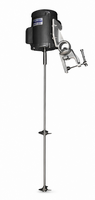
- Motor Types: TEFC Electric, Variable Speed TEFC Electric, Explosion-Proof Electric, Pneumatic Air Motors
- Drum Compatibility: Designed for 55-Gallon Open-Head Drums and Removable-Lid Containers
- Power Range: 1/4 HP, 1/3 HP, 1/2 HP, and 1 HP Configurations
- Construction Materials: Carbon Steel Components with Optional 316 Stainless Steel Shafts and Propellers
- Industrial Ratings: Explosion-Proof Motor Options Available for Hazardous Locations

$2,529.98
$3,796.96
(You Save 33%)$3,179.96
$4,696.96
(You Save 32%)Product Comparison Chart
Open-Head Drum Mixer Configurations Open-head drum mixers are specifically engineered for drums equipped with removable covers, allowing direct access to the container interior during agitation operations. Unlike closed-drum mixers that operate through bung openings, open-head configurations permit larger impeller diameters and increased fluid movement. Available motor configurations include Totally Enclosed Fan Cooled (TEFC) electric motors, variable-speed electric drives, explosion-proof motors, and pneumatic air motors. Horsepower ratings ranging from 1/4 HP through 1 HP accommodate a variety of mixing requirements, including liquid blending, solids suspension, chemical dispersion, and batch homogenization. Variable-speed models provide additional process control by allowing operators to adjust impeller speed based on fluid viscosity and mixing objectives.
Material Engineering and Construction Industrial drum mixers utilize mechanical assemblies designed to withstand continuous operating conditions. Mixer shafts are commonly manufactured from stainless steel to provide corrosion resistance when exposed to water-based chemicals, cleaning solutions, coatings, and processing fluids. Premium models, including select Neptune® mixers, utilize 316 stainless steel shafts and folding propellers that resist corrosion in more aggressive environments. Folding impeller designs simplify installation through drum openings while providing expanded mixing diameter during operation. Motor mounting brackets, clamps, and support structures are engineered to secure the mixer assembly directly to standard 55-gallon drum rims.
Motor Technologies and Operational Characteristics TEFC electric motors are widely used in industrial environments where protection against dust, dirt, and moisture is required. These motors employ enclosed housings and external cooling fans to maintain operating temperatures during extended use. Variable-speed electric mixers incorporate electronic controls that permit speed adjustment for different fluid characteristics. Explosion-proof motors are designed for environments where flammable vapors, solvents, or combustible atmospheres may be present. Pneumatic air motors provide an alternative power source where compressed air systems are available and electrical equipment restrictions exist. Air-powered mixers also eliminate electrical ignition sources within hazardous processing areas.
Regulatory Standards and Hazardous Location Requirements Drum mixing operations frequently occur in facilities governed by OSHA safety regulations, NFPA standards, and facility-specific hazardous location requirements. Explosion-proof drum mixers are utilized in environments involving flammable liquids, solvents, fuels, coatings, and chemical processing materials. Proper motor classification should be selected according to the facility's designated hazardous area requirements. Electrical installations must comply with applicable National Electrical Code (NEC) provisions governing classified locations. Operators should also evaluate grounding requirements, static electricity control measures, and ventilation systems when mixing combustible materials.
Industrial Applications Open-head drum mixers are utilized throughout chemical manufacturing, wastewater treatment, coatings production, agriculture, food processing, and industrial maintenance operations. Chemical facilities employ drum mixers for blending additives, solvents, and treatment chemicals. Water treatment operations utilize mixers for polymer preparation, chemical dosing solutions, and treatment compounds. Agricultural facilities mix fertilizers, nutrients, and liquid supplements. Food processing environments may utilize stainless steel mixers for non-contaminating blending applications where appropriate material compatibility standards are required. Coatings and paint operations use drum mixers to maintain pigment suspension and product consistency during storage and transfer.
Selection Criteria for 55-Gallon Drum Mixers Selection should begin with evaluation of fluid viscosity, specific gravity, solids concentration, and desired mixing intensity. Lower horsepower units are commonly used for thin liquids and light blending operations, while higher horsepower models support increased viscosity and suspension requirements. Motor type selection should consider available utilities, environmental conditions, and hazardous location classifications. Material compatibility between wetted components and process fluids is critical, particularly when handling corrosive chemicals. Shaft length, impeller design, speed requirements, and mounting configuration should also be evaluated to ensure compatibility with standard 55-gallon open-head drums and the intended industrial process.
| Product Type | Motor Type | Horsepower Range | Variable Speed | Hazardous Area Suitable | 55-Gallon Open-Head Compatible |
|---|---|---|---|---|---|
| Standard Drum Mixers | TEFC Electric | 1/4 HP – 1 HP | No | No | Yes |
| Variable Speed Drum Mixers | TEFC Electric | 1/4 HP – 1/2 HP | Yes | No | Yes |
| Explosion-Proof Drum Mixers | Explosion-Proof Electric | 1/4 HP – 1 HP | No | Yes | Yes |
| Air-Powered Drum Mixers | Pneumatic Air Motor | 1/4 HP – 1 HP | Air Flow Controlled | Yes | Yes |
| Economy Drum Mixers | TEFC / Air / Explosion-Proof | 1/4 HP – 1/2 HP | Model Dependent | Model Dependent | Yes |
| Neptune® Drum Mixers | TEFC / Air / Explosion-Proof | 1/4 HP – 1/2 HP | Model Dependent | Model Dependent | Yes |
Open-Head Drum Mixer Configurations Open-head drum mixers are specifically engineered for drums equipped with removable covers, allowing direct access to the container interior during agitation operations. Unlike closed-drum mixers that operate through bung openings, open-head configurations permit larger impeller diameters and increased fluid movement. Available motor configurations include Totally Enclosed Fan Cooled (TEFC) electric motors, variable-speed electric drives, explosion-proof motors, and pneumatic air motors. Horsepower ratings ranging from 1/4 HP through 1 HP accommodate a variety of mixing requirements, including liquid blending, solids suspension, chemical dispersion, and batch homogenization. Variable-speed models provide additional process control by allowing operators to adjust impeller speed based on fluid viscosity and mixing objectives.
Material Engineering and Construction Industrial drum mixers utilize mechanical assemblies designed to withstand continuous operating conditions. Mixer shafts are commonly manufactured from stainless steel to provide corrosion resistance when exposed to water-based chemicals, cleaning solutions, coatings, and processing fluids. Premium models, including select Neptune® mixers, utilize 316 stainless steel shafts and folding propellers that resist corrosion in more aggressive environments. Folding impeller designs simplify installation through drum openings while providing expanded mixing diameter during operation. Motor mounting brackets, clamps, and support structures are engineered to secure the mixer assembly directly to standard 55-gallon drum rims.
Motor Technologies and Operational Characteristics TEFC electric motors are widely used in industrial environments where protection against dust, dirt, and moisture is required. These motors employ enclosed housings and external cooling fans to maintain operating temperatures during extended use. Variable-speed electric mixers incorporate electronic controls that permit speed adjustment for different fluid characteristics. Explosion-proof motors are designed for environments where flammable vapors, solvents, or combustible atmospheres may be present. Pneumatic air motors provide an alternative power source where compressed air systems are available and electrical equipment restrictions exist. Air-powered mixers also eliminate electrical ignition sources within hazardous processing areas.
Regulatory Standards and Hazardous Location Requirements Drum mixing operations frequently occur in facilities governed by OSHA safety regulations, NFPA standards, and facility-specific hazardous location requirements. Explosion-proof drum mixers are utilized in environments involving flammable liquids, solvents, fuels, coatings, and chemical processing materials. Proper motor classification should be selected according to the facility's designated hazardous area requirements. Electrical installations must comply with applicable National Electrical Code (NEC) provisions governing classified locations. Operators should also evaluate grounding requirements, static electricity control measures, and ventilation systems when mixing combustible materials.
Industrial Applications Open-head drum mixers are utilized throughout chemical manufacturing, wastewater treatment, coatings production, agriculture, food processing, and industrial maintenance operations. Chemical facilities employ drum mixers for blending additives, solvents, and treatment chemicals. Water treatment operations utilize mixers for polymer preparation, chemical dosing solutions, and treatment compounds. Agricultural facilities mix fertilizers, nutrients, and liquid supplements. Food processing environments may utilize stainless steel mixers for non-contaminating blending applications where appropriate material compatibility standards are required. Coatings and paint operations use drum mixers to maintain pigment suspension and product consistency during storage and transfer.
Selection Criteria for 55-Gallon Drum Mixers Selection should begin with evaluation of fluid viscosity, specific gravity, solids concentration, and desired mixing intensity. Lower horsepower units are commonly used for thin liquids and light blending operations, while higher horsepower models support increased viscosity and suspension requirements. Motor type selection should consider available utilities, environmental conditions, and hazardous location classifications. Material compatibility between wetted components and process fluids is critical, particularly when handling corrosive chemicals. Shaft length, impeller design, speed requirements, and mounting configuration should also be evaluated to ensure compatibility with standard 55-gallon open-head drums and the intended industrial process.

