


Pails, Buckets & Jugs
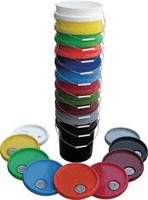
- Material Composition: High-Density Polyethylene (HDPE), Carbon Steel, Mylar, Glass.
- Size/Capacity Range: 1-Gallon to 6-Gallon Units; Bulk and Pallet Quantities.
- Compliance/Ratings: UN-Rated for Shipping, FDA Food-Grade Compliant.
- Closure Types: Gamma Seal, Screw-Top, Tear-Tab, and Tight-Head.

| Product Category | Primary Material | Common Capacities | Key Features |
|---|---|---|---|
| Standard Plastic Pails | HDPE Plastic | 5 Gallon, 6 Gallon, 3.5 Gallon | Food-grade, stacking ribs, wire bails |
| Tight-Head Jugs | HDPE Plastic | 4, 5, & 6 Gallon | Integrated handles, precision pour spouts |
| Steel Pails | Carbon Steel | 5 Gallon | Open and closed top, chemical resistance |
| Specialty Food Storage | Mylar / HDPE | Various | Oxygen barriers, Life Latch screw-tops |
| Closure Systems | Plastic / Metal | N/A | Gamma Seals, tear-tabs, screw caps |
Configuration Analysis: Open-Head vs. Tight-Head Systems The structural configuration of industrial pails is determined by the viscosity of the contents and the required method of extraction. Open-head pails feature a fully removable lid, facilitating the storage of solids, powders, and high-viscosity liquids. These are often paired with lever-lock rings or tear-tab lids to ensure security during transit. Conversely, tight-head plastic jugs are molded as a single unit with a non-removable top. Access is limited to standardized threaded openings, which are engineered for liquids. This design reduces the risk of accidental spills and is frequently used for chemicals, fuels, and food-service liquids where controlled pouring is required.
Material Engineering and Chemical Compatibility The majority of plastic containers in this category are manufactured using High-Density Polyethylene (HDPE). HDPE is selected for its high strength-to-density ratio and its resistance to a wide spectrum of chemicals, including many acids and caustic cleaners. For applications involving solvents or materials that degrade plastics, carbon steel pails provide a necessary alternative, offering higher tensile strength and fire resistance. Specialty storage, such as Mylar bags, utilizes laminated layers to create an oxygen and moisture barrier, which is essential for preserving the integrity of dehydrated food products or sensitive electronic components over extended durations.
Regulatory Standards: UN Ratings and Food Safety Compliance with regulatory frameworks is a critical factor in container selection. UN-rated pails have undergone rigorous performance testing, including drop tests and hydrostatic pressure tests, to meet Department of Transportation (DOT) standards for shipping hazardous materials. In the food and beverage sector, containers must meet FDA requirements for food-grade resin. This ensures the plastic does not contain dyes or recycled materials that could leach harmful chemicals into the consumable contents. Verification of these ratings is necessary for businesses to maintain OSHA compliance and safety standards during warehouse storage and logistics.
Industrial Applications Across Key Sectors Industrial pails and jugs are utilized across various sectors due to their versatility. In the agricultural sector, they are used for the distribution of fertilizers and pesticides. The food industry employs food-grade HDPE buckets for bulk ingredient storage and fermentation. In the construction and coating industry, steel and plastic pails serve as the standard vessel for paints, resins, and adhesives. Furthermore, the use of specialized closures like the Gamma Seal lid has expanded the utility of these containers into the long-term storage sector, providing a reusable, airtight environment for bulk dry goods.
Selection Criteria for Industrial Storage Technical buyers must evaluate several factors when selecting a containment system. Chemical compatibility is the primary concern; the pH and solvent content of the material must be matched to the container’s lining or resin type. Environment also plays a role, as UV-resistant additives may be required for outdoor storage to prevent plastic embrittlement. Finally, the logistics of the operation dictate the choice of accessories; high-volume operations may require pail closer machines for automated sealing, while retail or laboratory environments might prioritize ergonomic pail openers and dispensing pumps for manual use.

