


Pails, Buckets & Jugs
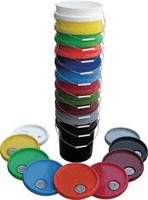
- Material Composition: High-Density Polyethylene (HDPE), Carbon Steel, Mylar, Glass.
- Size/Capacity Range: 1-Gallon to 6-Gallon Units; Bulk and Pallet Quantities.
- Compliance/Ratings: UN-Rated for Shipping, FDA Food-Grade Compliant.
- Closure Types: Gamma Seal, Screw-Top, Tear-Tab, and Tight-Head.

Product Comparison Chart
Configuration Analysis
Industrial pails and jugs are selected by container opening style, product viscosity, filling method, and dispensing requirement. Open-head pails use a removable lid, allowing direct access to the full container opening. This format is used for powders, solids, dry goods, adhesives, resins, coatings, and high-viscosity liquids that require scooping, pouring, or manual mixing. Tight-head plastic jugs use a molded body with fixed top openings. These containers are used for lower-viscosity liquids where controlled pouring, reduced splash risk, and closed handling are required. Square buckets improve storage density compared with round pails, while Life Latch and Gamma Seal systems support repeated opening and resealing.
Material Engineering
HDPE is the primary material used in many plastic pails, buckets, jugs, bottles, and jars. It provides impact resistance, chemical resistance, and low moisture absorption for many industrial and food storage applications. Carbon steel pails are used where higher puncture resistance, solvent compatibility, or coating-container requirements apply. Mylar bags use laminated barrier film to reduce oxygen and moisture transfer, making them suitable for long-term dry food storage when paired with oxygen absorbers and heat sealing. Clear flint glass is used where product visibility, chemical resistance, or sample integrity is required. Closure materials must also match the contents, since gaskets, caps, and lid resins can affect storage compatibility.
Regulatory Standards
UN-rated pails and containers are used when regulated materials must be shipped under hazardous material rules. These containers are tested for performance factors such as drop resistance, stacking strength, leak resistance, and pressure performance based on the container type and shipping group. Food-grade plastic buckets and pails must use resin suitable for contact with food products. For food storage, buyers should confirm that the bucket, lid, gasket, and closure system are compatible with food-contact use. DOT shipping rules, OSHA workplace handling practices, and internal safety procedures may also affect container choice for chemicals, cleaners, coatings, agricultural materials, and industrial liquids.
Industrial Applications
Pails, buckets, and jugs are used across food processing, chemical handling, agriculture, coatings, sanitation, emergency storage, and maintenance operations. Food-grade HDPE buckets are used for ingredients, dry goods, fermentation, bulk food storage, and preparedness supplies. Tight-head jugs are used for liquids that need controlled dispensing, including cleaners, soaps, concentrates, and water-treatment products. Steel pails are common for paints, solvents, coatings, resins, adhesives, and industrial compounds. Mylar bags, oxygen absorbers, and heat sealers support dry food preservation and moisture-sensitive packaging. Bottles and jars are used for samples, small-batch materials, lab supplies, and utility dispensing.
Selection Criteria
Container selection should start with chemical compatibility. The stored material must be matched to the container body, closure, gasket, liner, and dispensing cap. Capacity is the next factor, since 1-gallon, 5-gallon, 5.3-gallon, and 6-gallon containers serve different filling, handling, and shipping needs. Closure style also matters. Gamma Seal lids support repeated access, tear-tab lids provide tamper evidence, screw-top systems support resealing, and tight-head openings support liquid dispensing. Storage conditions should also be reviewed. Outdoor storage may require UV-resistant materials, while stacked storage may require compatible lids, reinforced rims, or square profiles that improve pallet use.
| Product Category | Primary Material | Common Capacities | Closure Type | Common Use |
|---|---|---|---|---|
| Gamma Seal Lids | HDPE / Plastic | Fits selected pails | Screw-top sealing lid | Airtight dry storage and reusable pail access |
| 5 Gallon Plastic Pails | HDPE Plastic | 5 Gallon | Snap-on, tear-tab, or compatible lid systems | Food-grade storage, industrial packaging, bulk supply |
| 5 Gallon Plastic Buckets & Lids Combo Packs | HDPE Plastic | 5 Gallon | Bucket and lid combinations | Packaged storage sets and bulk-use containers |
| 6 Gallon Plastic Buckets | HDPE Plastic | 6 Gallon | Compatible bucket lids | Larger-volume dry or liquid storage |
| 4–6 Gallon Tight-Head Plastic Jugs | HDPE Plastic | 4, 5, and 6 Gallon | Tight-head threaded openings | Controlled liquid dispensing and transport |
| Pail & Bucket Lids | Plastic / Metal | Fits selected pails and buckets | Snap-on, screw-top, tear-tab, or sealing lid | Container closure and contents protection |
| Square Buckets & Plastic Pails | HDPE Plastic | Varies by model | Compatible square pail lids | Space-efficient storage and stacking |
| Life Latch Screw Top Buckets | Food-grade HDPE | Varies by model | Screw-top Life Latch lid | Food storage and repeated access |
| 5.3 Gallon / 20L Plastic Buckets | HDPE Plastic | 5.3 Gallon / 20 Liter | Compatible pail lid systems | Non-UN storage and packaging |
| Steel Pails & Buckets | Carbon Steel | Commonly 5 Gallon | Open-head or closed-top | Paints, coatings, chemicals, and industrial materials |
| Mylar Bags | Laminated Mylar Barrier Film | Various | Heat-sealed closure | Long-term food storage and oxygen barrier packaging |
| Plastic Bottles & Jars | Plastic | Various | Screw caps or dispensing caps | Lab, utility, packaging, and dispensing use |
| Industrial Glass Bottles and Jars | Clear Flint Glass | Various | Compatible screw caps or closures | Sample storage, chemical packaging, and product storage |
Configuration Analysis
Industrial pails and jugs are selected by container opening style, product viscosity, filling method, and dispensing requirement. Open-head pails use a removable lid, allowing direct access to the full container opening. This format is used for powders, solids, dry goods, adhesives, resins, coatings, and high-viscosity liquids that require scooping, pouring, or manual mixing. Tight-head plastic jugs use a molded body with fixed top openings. These containers are used for lower-viscosity liquids where controlled pouring, reduced splash risk, and closed handling are required. Square buckets improve storage density compared with round pails, while Life Latch and Gamma Seal systems support repeated opening and resealing.
Material Engineering
HDPE is the primary material used in many plastic pails, buckets, jugs, bottles, and jars. It provides impact resistance, chemical resistance, and low moisture absorption for many industrial and food storage applications. Carbon steel pails are used where higher puncture resistance, solvent compatibility, or coating-container requirements apply. Mylar bags use laminated barrier film to reduce oxygen and moisture transfer, making them suitable for long-term dry food storage when paired with oxygen absorbers and heat sealing. Clear flint glass is used where product visibility, chemical resistance, or sample integrity is required. Closure materials must also match the contents, since gaskets, caps, and lid resins can affect storage compatibility.
Regulatory Standards
UN-rated pails and containers are used when regulated materials must be shipped under hazardous material rules. These containers are tested for performance factors such as drop resistance, stacking strength, leak resistance, and pressure performance based on the container type and shipping group. Food-grade plastic buckets and pails must use resin suitable for contact with food products. For food storage, buyers should confirm that the bucket, lid, gasket, and closure system are compatible with food-contact use. DOT shipping rules, OSHA workplace handling practices, and internal safety procedures may also affect container choice for chemicals, cleaners, coatings, agricultural materials, and industrial liquids.
Industrial Applications
Pails, buckets, and jugs are used across food processing, chemical handling, agriculture, coatings, sanitation, emergency storage, and maintenance operations. Food-grade HDPE buckets are used for ingredients, dry goods, fermentation, bulk food storage, and preparedness supplies. Tight-head jugs are used for liquids that need controlled dispensing, including cleaners, soaps, concentrates, and water-treatment products. Steel pails are common for paints, solvents, coatings, resins, adhesives, and industrial compounds. Mylar bags, oxygen absorbers, and heat sealers support dry food preservation and moisture-sensitive packaging. Bottles and jars are used for samples, small-batch materials, lab supplies, and utility dispensing.
Selection Criteria
Container selection should start with chemical compatibility. The stored material must be matched to the container body, closure, gasket, liner, and dispensing cap. Capacity is the next factor, since 1-gallon, 5-gallon, 5.3-gallon, and 6-gallon containers serve different filling, handling, and shipping needs. Closure style also matters. Gamma Seal lids support repeated access, tear-tab lids provide tamper evidence, screw-top systems support resealing, and tight-head openings support liquid dispensing. Storage conditions should also be reviewed. Outdoor storage may require UV-resistant materials, while stacked storage may require compatible lids, reinforced rims, or square profiles that improve pallet use.

