


IBC Totes & Tanks | Bulk Liquid Storage
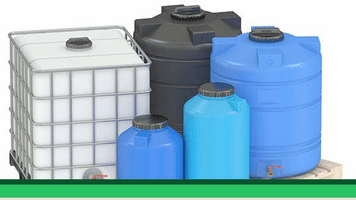
- Material Composition: High-Density Polyethylene (HDPE), Carbon Steel, 304/316 Stainless Steel.
- Capacity Range: 120-Gallon to 550-Gallon Intermediate Bulk Containers.
- Compliance/Ratings: UN/DOT Certified, NFPA 30, Food-Grade/FDA Compliant.
- Components: Integrated Pallet Bases, Protective Steel Cages, Discharge Valves.

| Product Category | Primary Materials | Key Features |
|---|---|---|
| Caged IBC Totes | HDPE & Galvanized Steel | Stackable, UN-rated, replaceable bottles |
| Metal IBC Tanks | 304/316 Stainless Steel | Fire-resistant, chemical compatible, reusable |
| Oil Dispensing Systems | Polyethylene | Stackable, integrated faucets, secondary containment |
| Water Storage Tanks | UV-Stabilized Polyethylene | Seamless construction, large capacity, BPA-free |
Technical Design and Discharge Mechanics Intermediate Bulk Containers are categorized by their structural design: composite, metal, or rigid plastic. Composite IBCs consist of a blow-molded HDPE inner bottle housed within a tubular galvanized steel grid. This configuration protects the vessel from puncture while allowing for stacking up to four units high when static. Metal IBCs, such as the TranStore series, utilize a 1/4" sloped bottom for 99.9% drainage efficiency. Both types typically feature a 6" top fill port and a 2" bottom discharge valve (ball or butterfly type) to allow for gravity-fed or pump-assisted dispensing.
Polymer and Alloy Properties The selection of IBC material is dictated by the chemical properties of the payload. HDPE totes are manufactured using a high-molecular-weight resin that provides resistance to stress cracking and a wide range of industrial acids and bases. For flammable or high-combustibility fluids, stainless steel IBCs provide the necessary fire rating and grounding capabilities to prevent static discharge. Metal tanks also offer superior longevity in high-temperature environments where plastic would succumb to thermal deformation. Interior linings or specialized resin grades are utilized for food-grade and pharmaceutical applications to ensure zero-leachate contamination.
UN Ratings and Shipping Compliance IBCs intended for the transport of hazardous materials must adhere to Title 49 CFR (Code of Federal Regulations). UN-rated totes undergo rigorous testing, including vibration, bottom lift, top lift, and pressure leak tests. The UN marking on the vessel identifies the Packing Group (I, II, or III) the container is authorized to carry. Tanks used for combustible liquids must meet NFPA 30 standards to ensure safety within industrial facilities. Regular inspections every 2.5 years are required for many UN-rated IBCs to maintain certification for interstate transport.
Sector-Specific Deployment In chemical processing, IBCs serve as the primary vessel for the distribution of surfactants, solvents, and catalysts. The agricultural sector utilizes these tanks for the bulk storage of liquid fertilizers and pesticides, often deploying UV-stabilized water tanks for field-side irrigation support. In food production, FDA-compliant totes are used for the transport of syrups, oils, and liquid ingredients. Furthermore, specialized systems like Tote-A-Lube are employed in automotive and fleet maintenance hubs to manage multi-fluid dispensing while minimizing the footprint of traditional drum racks.
Technical Factors for Procurement Buyers must evaluate chemical compatibility using standardized charts to ensure the gasket material (EPDM, Viton, or Teflon) and the vessel body will not degrade. Load-bearing capacity is a secondary critical factor; the specific gravity of the liquid affects the maximum stack height and the required pallet base strength. For outdoor storage, UV-stabilized resins are necessary to prevent plastic embrittlement. Finally, environmental factors such as the requirement for secondary containment or the use of closed-loop dispensing systems should be considered to meet OSHA and local environmental safety protocols.

