


Open-Head Plastic Drums | Industrial Polyethylene Barrels
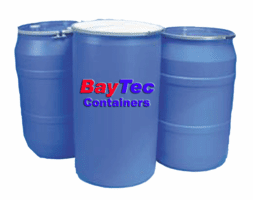
- Material Composition: High-Density Polyethylene (HDPE).
- Size/Capacity Range: 20-Gallon, 30-Gallon, and 55-Gallon options.
- Compliance/Ratings: UN-Rated for solids; FDA and USDA compliant materials.
- Closure Types: Removable lids with Lever-Lock or Bolt-Ring closures.
Open-head plastic drums are industrial-grade containers manufactured from high-density polyethylene (HDPE) for the containment of solids, powders, and viscous liquids. This category includes capacities ranging from 20 to 55 gallons, featuring molded-in colors that resist fading and peeling. These drums are engineered to be lightweight while maintaining impact resistance, providing a rust-proof alternative to steel. All units listed utilize a removable lid system secured by lever-lock or bolt rings, facilitating full-access charging and discharging. These containers meet specific UN specifications and food-grade standards for use in chemical, agricultural, and food processing sectors.


$129.98
$152.91
(You Save 15%)$169.98
$220.00
(You Save 23%)| Product Name | Capacity | Lid/Closure Type | Compliance/Features |
|---|---|---|---|
| 55 Gallon Blue Plastic Open Head Drum | 55 Gallon | Lever-Lock Lid | UN Rated; Plain-Top |
| 55 Gallon Open Head Plastic Drum | 55 Gallon | Lever Lock Ring | High-density polyethylene |
| New 30 Gal Plastic Drum Open Top White | 30 Gallon | Lever Lock Ring | White with Fittings |
| 30 Gallon Plastic Drum (Bulk Order) | 30 Gallon | Lever Lock (Fittings or Plain) | Blue; Min. 100 units |
| New 30 Gal Plastic Drum Open Top Blue | 30 Gallon | Flat Lid | High impact resistance |
| 20 Gallon Plastic Drum with Ring | 20 Gallon | Removable Lid | FDA/USDA Compliant |
### Configuration Analysis The open-head configuration is defined by a fully removable top cover, a design feature that distinguishes it from tight-head (closed-top) drums. In plastic HDPE models, the lid is typically secured using a galvanized steel or high-strength plastic lever-lock ring or a bolt-ring assembly. This mechanism creates a gasketed seal between the lid and the drum chime. This specific geometry is utilized for materials that are not easily poured through standard 2" bungs, such as hazardous solid waste, granular chemicals, and food products requiring mechanical scooping or agitation.
### Material Engineering Industrial plastic drums are constructed via blow-molding using High-Density Polyethylene (HDPE). This polymer is selected for its high strength-to-density ratio and molecular weight, which provides superior stress-crack resistance and UV stability. Unlike carbon steel, HDPE is inert to many corrosive acids and inorganic chemicals, eliminating the need for internal epoxy linings. The "molded-in" color process ensures that the barrels do not require exterior painting and remain resistant to scratching or chemical peeling. The material's inherent elasticity allows the drum to absorb impacts without permanent denting, maintaining structural integrity in cold-storage environments.
### Regulatory Standards Compliance for plastic drums is governed by Department of Transportation (DOT) and international UN standards. UN-rated open-head plastic drums are tested for drop strength, hydrostatic pressure, and vibration to ensure safety during the transport of hazardous solids (denoted by "S" in the UN string). Furthermore, the HDPE resins used in these containers often meet FDA and USDA 21 CFR 177.1520 requirements, certifying them as "Food Grade" for the storage of ingredients, pharmaceutical intermediates, and potable water. Adherence to these standards prevents cross-contamination and ensures legal compliance during interstate commerce.
### Industrial Applications The versatility of HDPE open-head drums makes them a standard in several heavy industries. In the chemical sector, they are used for the storage of corrosive salts and dry reagents. The agricultural industry utilizes them for fertilizers and pesticides that would otherwise corrode metal containers. Because the material is non-leaching and easy to sanitize, food processing plants employ 30-gallon and 55-gallon white or blue drums for brines, spices, and syrups. Additionally, the waste management industry relies on these drums for "overpack" applications or the collection of laboratory debris and contaminated PPE.
### Selection Criteria When specifying an open-head plastic drum, buyers must evaluate chemical compatibility and load requirements. While HDPE is highly resistant to many chemicals, it is susceptible to degradation by certain hydrocarbons and highly concentrated oxidizing agents. Technical buyers should consult a compatibility chart to ensure the resin will not soften or embrittle over time. Furthermore, capacity selection (20, 30, or 55 gallons) should align with the bulk density of the contents; heavier solids may require specific wall thicknesses or reinforced chimes to prevent deformation during stacking. Finally, the choice between a plain lid and a lid with integrated 2" fittings depends on whether the user requires auxiliary venting or small-scale pouring capabilities without removing the primary lock ring.

