


Stainless Steel Wine Barrels for Fermentation Storage
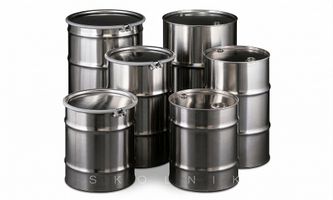
- Material Composition: Food-grade stainless steel for wine fermentation and storage.
- Size/Capacity Range: 5, 10, 16, 30, and 55 gallon wine barrels.
- Compliance/Ratings: Food-grade construction for winery and beverage processing use.
- Closure Types: Barrel-style lids, fittings, valves, and bung-compatible openings depending on model.
- Storage Function: Neutral flavor storage for fermentation, aging, and batch holding.

$399.95
$499.95
(You Save 20%)$499.95
$599.95
(You Save 17%)$599.95
$699.95
(You Save 14%)$699.95
$799.95
(You Save 13%)$799.95
$899.95
(You Save 11%)Product Comparison Chart
Configuration Analysis Stainless steel wine barrels are designed for controlled handling of wine during fermentation, aging, and storage. Smaller 5 and 10 gallon barrels are commonly used for pilot batches, blending trials, home winemaking, and limited vineyard production. Mid-size 16 and 30 gallon barrels provide additional capacity for small wineries that need batch separation without moving into full tank systems. The 55 gallon option supports larger production runs, bulk storage, and transfer staging. Depending on the model, barrels may include removable lids, sealed fittings, valve ports, bung openings, or sampling access points. These configurations allow winemakers to manage filling, draining, cleaning, and storage without relying on porous wood containers.
Material Engineering Food-grade stainless steel is used because it resists corrosion, staining, and flavor transfer. Wine contains organic acids, including tartaric and malic acids, which can react with some storage materials over time. Stainless steel provides a nonporous surface that helps limit absorption and residue retention. The smooth interior reduces areas where yeast, sediment, and bacteria can collect after fermentation. Stainless steel also tolerates repeated cleaning cycles with winery sanitation products when used according to the cleaner manufacturer’s instructions. Unlike oak, stainless steel does not contribute tannins, vanilla notes, smoke character, or wood-derived aroma compounds. This makes it suitable when the production goal is fruit-forward wine, neutral aging, or controlled blending.
Regulatory Standards Wine barrels used for beverage production should be made from food-grade materials suitable for contact with consumable liquids. Stainless steel is widely used in food and beverage processing because it supports sanitary handling, repeated cleaning, and corrosion resistance. For commercial operations, buyers should verify that the barrel construction, fittings, gaskets, and valves are compatible with beverage use. If the container will be used for transport rather than stationary storage, users should also review applicable shipping requirements based on contents, closure type, and destination. Wine storage containers are not selected only by capacity; sanitation, material compatibility, and closure integrity all affect safe handling.
Industrial Applications Stainless steel wine barrels are used by wineries, vineyards, cider producers, distilleries, beverage processors, and small-batch fermentation operations. In wineries, they can hold wine after pressing, during fermentation, before bottling, or during blending. Vineyards may use smaller barrels for test lots from specific grape blocks. Beverage producers may use stainless barrels for fruit wines, mead, cider, vinegar, or non-carbonated beverage storage. Because stainless steel does not add flavor, it is useful for products where ingredient character needs to remain unchanged. These barrels also support repeated reuse across multiple batches when cleaned and stored properly.
Selection Criteria Buyers should select stainless steel wine barrels based on batch volume, handling method, cleaning process, and storage environment. Capacity should match production volume while leaving enough headspace management for the process being used. Smaller barrels are easier to move and clean manually, while larger barrels reduce the number of containers needed for bulk storage. Closure style should match the intended use, including fermentation access, sealed storage, liquid transfer, or sampling. Buyers should also review valve placement, gasket material, lid design, and compatibility with existing winery hoses or fittings. For acidic wine, sanitation chemicals, and repeated washdowns, stainless steel provides a practical material choice when neutral flavor storage and cleanability are required.
| Product | Capacity | Material | Primary Use | Key Feature |
|---|---|---|---|---|
| Stainless Steel Wine Barrel | 5 Gallon | Food-Grade Stainless Steel | Small-batch fermentation and storage | Compact size for test batches and limited production |
| Stainless Steel Wine Barrel | 10 Gallon | Food-Grade Stainless Steel | Small winery and home winemaking storage | Neutral flavor holding without oak contact |
| Stainless Steel Wine Barrel | 16 Gallon | Food-Grade Stainless Steel | Fermentation and beverage batch storage | Intermediate capacity for controlled production |
| Stainless Steel Wine Barrel | 30 Gallon | Food-Grade Stainless Steel | Vineyard and winery processing | Larger batch storage with reusable construction |
| Stainless Steel Wine Barrel | 55 Gallon | Food-Grade Stainless Steel | Bulk fermentation and aging | High-capacity storage for commercial beverage use |
Configuration Analysis Stainless steel wine barrels are designed for controlled handling of wine during fermentation, aging, and storage. Smaller 5 and 10 gallon barrels are commonly used for pilot batches, blending trials, home winemaking, and limited vineyard production. Mid-size 16 and 30 gallon barrels provide additional capacity for small wineries that need batch separation without moving into full tank systems. The 55 gallon option supports larger production runs, bulk storage, and transfer staging. Depending on the model, barrels may include removable lids, sealed fittings, valve ports, bung openings, or sampling access points. These configurations allow winemakers to manage filling, draining, cleaning, and storage without relying on porous wood containers.
Material Engineering Food-grade stainless steel is used because it resists corrosion, staining, and flavor transfer. Wine contains organic acids, including tartaric and malic acids, which can react with some storage materials over time. Stainless steel provides a nonporous surface that helps limit absorption and residue retention. The smooth interior reduces areas where yeast, sediment, and bacteria can collect after fermentation. Stainless steel also tolerates repeated cleaning cycles with winery sanitation products when used according to the cleaner manufacturer’s instructions. Unlike oak, stainless steel does not contribute tannins, vanilla notes, smoke character, or wood-derived aroma compounds. This makes it suitable when the production goal is fruit-forward wine, neutral aging, or controlled blending.
Regulatory Standards Wine barrels used for beverage production should be made from food-grade materials suitable for contact with consumable liquids. Stainless steel is widely used in food and beverage processing because it supports sanitary handling, repeated cleaning, and corrosion resistance. For commercial operations, buyers should verify that the barrel construction, fittings, gaskets, and valves are compatible with beverage use. If the container will be used for transport rather than stationary storage, users should also review applicable shipping requirements based on contents, closure type, and destination. Wine storage containers are not selected only by capacity; sanitation, material compatibility, and closure integrity all affect safe handling.
Industrial Applications Stainless steel wine barrels are used by wineries, vineyards, cider producers, distilleries, beverage processors, and small-batch fermentation operations. In wineries, they can hold wine after pressing, during fermentation, before bottling, or during blending. Vineyards may use smaller barrels for test lots from specific grape blocks. Beverage producers may use stainless barrels for fruit wines, mead, cider, vinegar, or non-carbonated beverage storage. Because stainless steel does not add flavor, it is useful for products where ingredient character needs to remain unchanged. These barrels also support repeated reuse across multiple batches when cleaned and stored properly.
Selection Criteria Buyers should select stainless steel wine barrels based on batch volume, handling method, cleaning process, and storage environment. Capacity should match production volume while leaving enough headspace management for the process being used. Smaller barrels are easier to move and clean manually, while larger barrels reduce the number of containers needed for bulk storage. Closure style should match the intended use, including fermentation access, sealed storage, liquid transfer, or sampling. Buyers should also review valve placement, gasket material, lid design, and compatibility with existing winery hoses or fittings. For acidic wine, sanitation chemicals, and repeated washdowns, stainless steel provides a practical material choice when neutral flavor storage and cleanability are required.

